


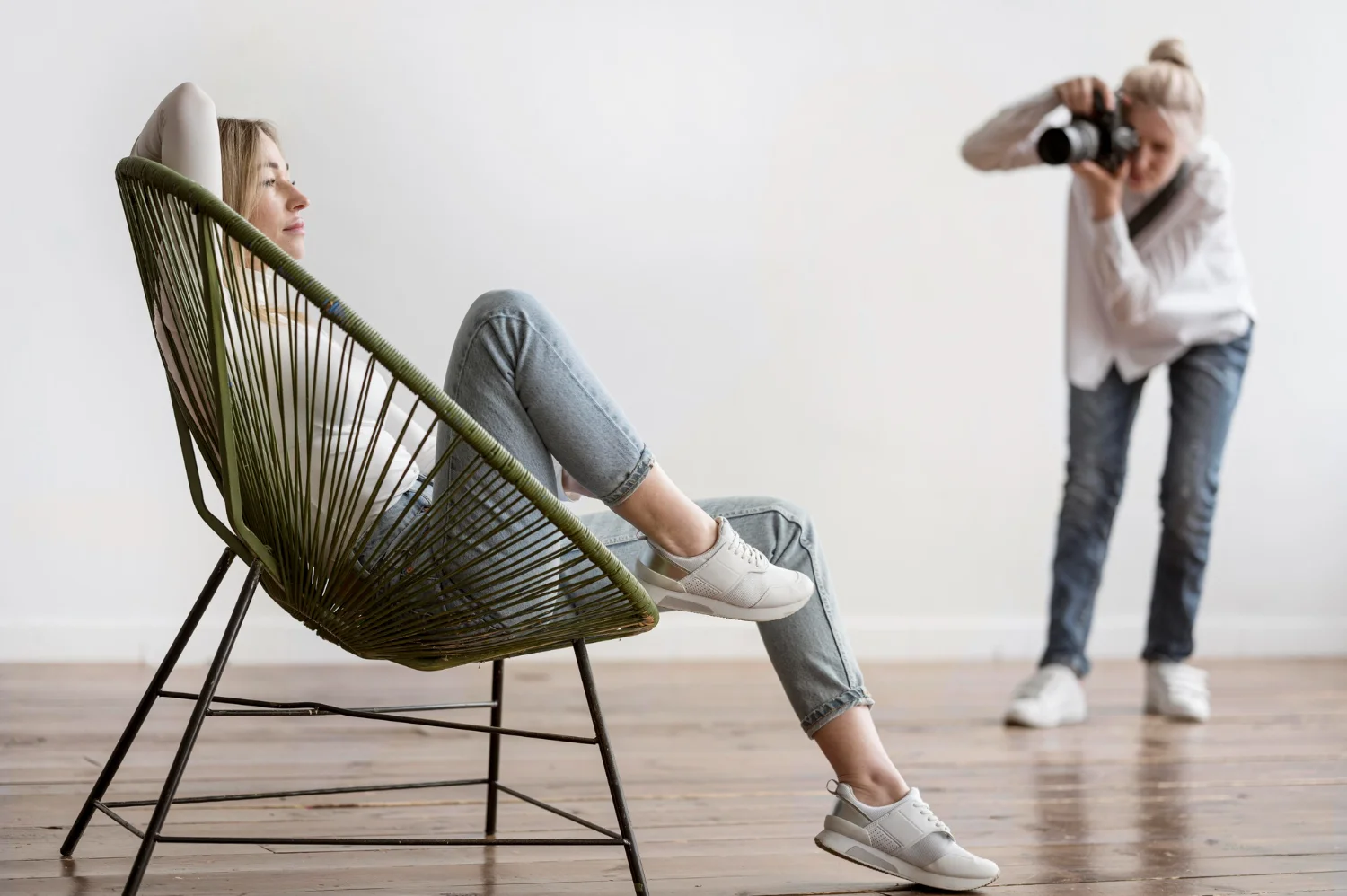
A lot of people walk into a professional photo session with the same worry: they do not know how to pose. They imagine that everyone who looks relaxed in photographs somehow arrived knowing what to do with their hands, where to look, and how to hold their body. For someone planning the perfect bridal surprise, that pressure often feels even stronger because the photos are meant to feel personal, confident, and natural. In reality, comfort usually matters far more than memorizing poses.
That becomes especially obvious during intimate photography. The camera notices tension quickly. Raised shoulders, clenched hands, a forced smile, or a stiff back often come from thinking too hard about how the body looks. Once that self-monitoring fades, expressions soften and movement starts to look natural.
Table of Contents
Posing Is Usually More Collaborative Than It Looks
Strong photographs rarely begin with someone striking a complicated pose on command. Most sessions move in smaller steps. A photographer adjusts the angle of a shoulder, asks someone to shift their weight, changes the position of a hand, or encourages a slow movement instead of holding completely still.
Those small adjustments matter because people see themselves very differently from the way a camera sees them. A position that feels slightly unusual in person often looks balanced in a finished image. The reverse also happens. A pose that feels perfectly normal sometimes photographs as rigid.
That is why practicing dozens of poses beforehand rarely brings much benefit. Knowing how to listen, move, and relax usually produces better results than trying to reproduce a saved photograph exactly.
Comfort Changes More Than Facial Expression
Feeling at ease affects almost every visible part of a photograph. Breathing becomes slower. Hands stop looking tense. Posture becomes less guarded. Even eye contact changes once someone stops anticipating the shutter.
Clothing has an influence here as well. An outfit that looks impressive on a hanger does little good if the person wearing it spends the entire session adjusting straps, pulling at fabric, or worrying about how it sits. Familiarity and comfort often photograph better than something chosen only because it seems dramatic.
The setting matters for the same reason. Privacy, enough time to settle in, clear communication, and a calm pace reduce the feeling of being watched. Once the room feels less like a performance space, posing starts to feel more like movement.
The Camera Does Not Need Perfection
People often assume professional portraits depend on perfect posture and carefully controlled expressions. Good portrait work usually leaves room for smaller, less polished moments. A slight laugh after a pose breaks, a glance away from the camera, or a movement between positions often produces a photograph with more personality than the pose itself.
This is especially useful in intimate sessions, where overly rigid posing easily makes an image feel staged. Movement gives the body a more natural line and keeps expressions connected to what is happening in the room.
Fun fact: Some of the most natural-looking photographs are taken during transitions between planned poses rather than during the pose itself. A turn of the head, a shift in weight, or the moment immediately after someone laughs often creates a more relaxed expression.
The Same Principle Applies Beyond Intimate Portraits
The same idea carries into maternity, bridal, glamour, and other portrait sessions, where the work featured at https://portraitsbyz.com/ reflects how much lighting, body position, movement, wardrobe, and expression shape the final image. Strong photographs do not depend on someone arriving with a collection of practiced poses. Clear direction keeps the person in front of the camera focused on the moment instead of mentally checking every detail of their posture.
Different styles of portraiture ask for different moods, but the physical side of the process remains surprisingly similar. A photographer watches the way light falls across the face, notices where hands look tense, adjusts posture, and looks for expressions that feel appropriate rather than exaggerated. Someone being photographed does not need technical knowledge of any of that. Their job is much simpler: respond to direction, move when asked, and stay engaged with the session.
That division of responsibility matters. Once people stop trying to manage the entire photograph themselves, their expressions often become more believable.
Also Read : How to See Your Space Through a Remodeler’s Eyes
Confidence Usually Arrives After the Session Starts
Very few people feel completely relaxed the moment a camera points at them. Comfort tends to build gradually. The first few minutes are often about getting used to the room, the photographer’s voice, and the strange feeling of being observed so closely.
After a while, the process becomes less unfamiliar. Movements repeat. Directions make more sense. Someone who initially worried about every position often stops thinking about posing altogether.
That shift is where many strong portraits come from. Confidence does not always walk through the door with the person being photographed. Sometimes it appears halfway through the session, once they realize they were never expected to know exactly what to do in the first place.

