


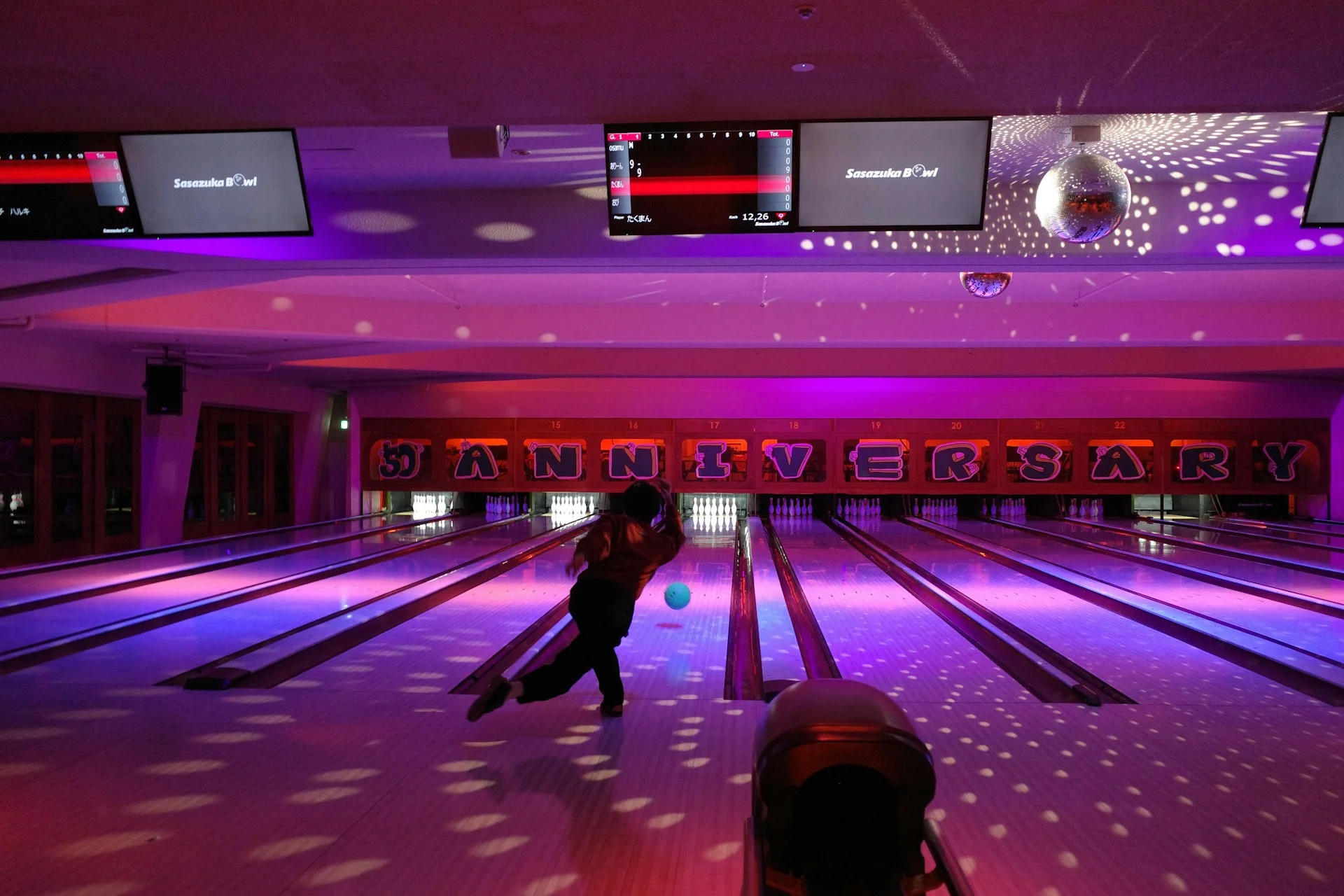
Social entertainment venues work best when food, refreshments, and gameplay follow one coordinated schedule. Guests should have enough time to order, eat, and settle their checks without missing a reserved round or slowing the next group. For operators, that requires clear booking windows, realistic kitchen timing, and a checkout process built for groups.
The practical steps below help keep each part of the visit moving while giving guests enough flexibility to relax and stay longer.
Table of Contents
The Rise of Competitive Socializing
Competitive socializing combines approachable games with the atmosphere and service of a hospitality venue. Guests might reserve a lane, table, or simulator for a set period, then order food and beverages before, during, or after their session. The format works for casual meetups, birthdays, and company gatherings because people can participate without committing to an all-day activity.
Industry coverage of the rise of social gaming shows how this model has expanded beyond traditional arcades. Operators now build experiences around technology, themed spaces, and familiar group games. Analysis of competitive socializing expansion also points to a growing range of concepts, giving venues more ways to serve different age groups and occasions.
This mixed format creates an operational challenge. A game reservation has a fixed start and end, while a kitchen order can take longer during a rush. Guests who arrive at 7 p.m. for a 7:15 p.m. slot may order meals without realizing their food could arrive after play begins.
Set expectations before arrival. Confirmation messages should state when guests need to check in, when food service is available, and how late arrivals affect the booking. At the venue, servers and hosts need access to the same timing information. A simple note such as “game starts in 20 minutes” helps the kitchen recommend items that can be prepared within that window.
Syncing Kitchen Timers with Game Slots
Map the guest visit in five-minute blocks before changing menus or staffing levels. Start with check-in, seating, ordering, preparation, service, and the reserved activity. This exercise exposes conflicts that daily routines can hide.
Consider a group of eight with a 60-minute booking at 6:30 p.m. If they arrive at 6:10 and the average meal takes 22 minutes, full entrees may reach the table just as their game begins. The venue could encourage advance ordering, offer a quick-service menu before the activity, or schedule the meal for the moment the round ends. Each option protects both the kitchen and the reservation calendar.
Menu design matters here. Label items according to realistic preparation ranges and give staff a clear cutoff for pre-game orders. Don’t promise a 10-minute turnaround if that target fails during peak service. Kitchen display screens can include the group’s activity start time alongside the ticket time, allowing cooks to prioritize orders with genuine deadlines.
Equipment placement can also reduce avoidable delays. Cold storage, preparation surfaces, and service stations should match the way orders move through the kitchen. This guide to kitchen equipment for entertaining explains how practical equipment choices can make hosting and service easier, a principle that scales well to commercial group service.
Review timing data every week. If loaded fries average 14 minutes on weekdays and 24 minutes on Saturday evenings, booking messages and server recommendations should reflect the Saturday figure.
Adopt a Central Activities Booking System
Put reservations, capacity and guest details in one central place. A shared calendar or disconnected set of spreadsheets may work for a small launch, but it becomes unreliable once the venue sells several activities, time lengths and group packages.
An activities booking system can help activity and experience providers manage online sales, group bookings, visitor flow and capacity. For a social venue, central availability gives the front desk and operations team a consistent view of what has been sold. That reduces the risk of assigning the same space twice or accepting a party that exceeds the safe operating capacity for a time slot.
Configure the system around the real turnover cycle. A 60-minute game may require another 10 minutes for cleaning, equipment checks, and resetting the area. Selling a new session every hour would remove that buffer and create delays that grow throughout the evening. A 70-minute capacity block gives the team a workable schedule even if guests use the full playing time.
Group information should also reach the people serving the booking. Capture the number of guests, preferred arrival time, accessibility requests, and any preordered food. Keep the form short enough to complete on a phone.
Test the entire process as a guest before launch. Book a slot, change the group size, and review the confirmation. Staff should then verify that every change appears at the host station and in the venue’s daily plan.
Simplify the Group Checkout Journey
Decide how groups will pay before they arrive. Few moments create more friction than asking 12 guests to settle separate food orders while another party waits for the activity area. The best policy depends on the venue, but it needs to be visible during booking and consistently applied.
For prepaid activity reservations, collect the game fee online and leave only food and refreshments to be settled on-site. Group packages can go further by combining the activity, a set menu, and service charges into one price per person. This approach gives organizers a clear total and helps the kitchen prepare for a known number of guests.
Flexible groups still need options. Let the organizer choose one bill, equal splitting, or individual tabs at check-in. Making that choice early gives servers time to assign orders correctly. If eight people announce separate payments after everything has been entered on one tab, checkout can easily run into the next reservation period.
Use simple identifiers when individual tabs are allowed. Seat numbers, player names, or colored table markers work better than asking the server to remember who ordered each item. Set a time for closing activity charges as well. Staff might notify guests 10 minutes before the round ends and invite them to settle at the table or through a mobile payment page.
Run a mock checkout with a group-sized order. Measure how long it takes to divide items, process payments, and correct one mistaken charge. That test will reveal whether your payment process can support the volume shown on the booking calendar.
Retain Guests Past the Final Round
Create a natural place for guests to move after their reserved activity ends. If they stay in the game area, the next group can’t begin on time. If staff immediately direct them to the exit, the venue loses a chance to sell dessert, coffee, or another round of shareable food.
A separate lounge or dining zone solves both problems. Mention it near the end of play and reserve a table when space allows. Staff can say, “Your game ends in 10 minutes, and we have a table ready if you’d like to keep your group together.” That feels helpful while clearing the activity area on schedule.
The wider competitive socializing trend reflects demand for experiences that support conversation as well as play. Venues can respond with post-game options that don’t require another full reservation. Photo spots, score recaps, and short bonus challenges give groups a satisfying finish before they move to the lounge.
Use booking and sales data to shape these offers. If birthday groups commonly stay for 45 minutes after playing, hold suitable tables at the times those sessions finish. If weekday teams leave quickly, test a fixed-price snack add-on that becomes available after the final round.
Pay attention to the handoff between activity staff and hospitality staff. One person should confirm the score, direct the group to its next table, and pass along any open tab information. When that transfer takes less than a minute, the next game can start promptly, and the departing group can continue its visit without waiting at another service point.
The strongest final impression comes from a well-timed transition: a finished scorecard, a ready table, and refreshments arriving soon after the last round.

