


Table of Contents
1. The Question Spencer Coleman Asked Before Choosing His Next Pair
An expensive pair of shoes can look convincing on a screen and still turn out to be the wrong purchase. Sometimes the decisive details are the least photogenic: where the upper bends, whether the heel sits securely, how the sole behaves underfoot, and what it takes to keep the materials looking presentable.
Imagine Spencer Coleman browsing a collection of designer shoes after deciding to replace a pair he no longer wears. He has no particular brand commitment. Two photographs catch his attention: one shows a low-profile sneaker; the other, a structured leather loafer. Both look appealing, though neither image tells him much about how the shoes would feel after several hours.
The sneaker seems easier to combine with casual clothing. The loafer appears more appropriate for certain appointments and evenings out. Those impressions aren’t necessarily wrong. They simply leave plenty of questions unanswered.
Spencer is a hypothetical buyer, not a footwear specialist. His situation illustrates a familiar problem: judging shoes remotely means working with incomplete evidence. Some details can be examined carefully before ordering. Others remain uncertain until the footwear is actually worn.
2. The Problem With Perfect Product Photography
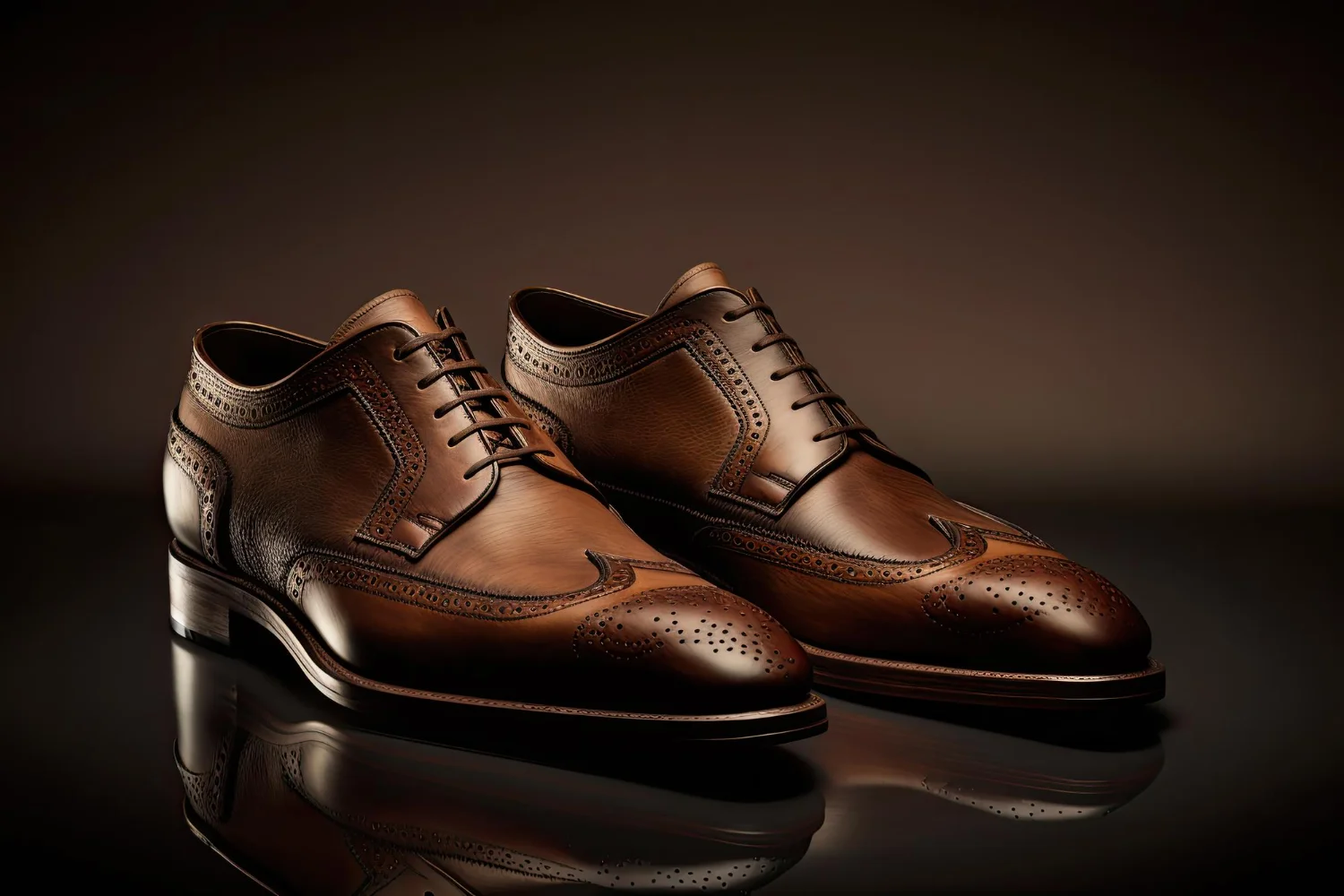
A shoe photographed from a low angle can appear longer and more substantial than it really is. Move the camera closer to the toe and the front becomes more prominent. Raise the camera, and a thick sole may lose much of its apparent volume.
These effects matter because footwear is unusually sensitive to proportion. A narrow strip of visible outsole, a raised heel, or a sharply cut opening can change the impression of the whole design.
Consider two photographs of the same sneaker. One shows the lateral profile against a plain background. The other is taken from the front, slightly above the toe. The first emphasizes sole thickness and overall length; the second makes the toe construction more noticeable. Neither is deceptive simply because the proportions look different.
Lighting adds another complication. Strong illumination can make smooth leather appear almost flawless, while softer light may reveal variations in texture. Suede can look particularly different depending on the direction of its nap.
A useful product gallery should provide more than an attractive hero image. Side, overhead, rear, and outsole photographs offer separate pieces of information. When only one polished angle is available, there is less evidence on which to judge the design.
3. Reading the Silhouette Before Reading the Brand
Start with the space between the upper and the ground. A slim sole keeps the footwear visually compact. A thick midsole creates a more pronounced lower section, sometimes extending beyond the width of the upper.
The toe deserves a separate look. Rounded fronts can appear broad, particularly when combined with substantial outsoles. A tapered outline may look cleaner, although that says very little about how much room the wearer will actually have inside.
For designer sneakers, these differences can matter more than decorative branding. Two pairs may use similar leather panels, yet a few changes to the sole, toe, and heel create entirely different silhouettes.
The transition from heel to forefoot is another revealing detail. Some shoes have a relatively level profile, while others incorporate a more noticeable curve. Photographs can show that geometry, but not necessarily how it behaves during walking.
A side-by-side comparison works best when the photographs are taken from similar angles. Otherwise, the camera may be responsible for part of the difference.
4. Where Construction Becomes Visible
Stitching attracts attention because it suggests precision. Straight, evenly spaced seams can contribute to a well-finished appearance, but neat stitching alone does not tell a buyer how the shoe was constructed.
Look closely at the junction between the upper and the sole. Some shoes rely primarily on adhesive attachment. Others use stitched methods or combinations of techniques. A decorative seam can resemble a structural one, so photographs shouldn’t be treated as definitive evidence.
The edges around the tongue, opening, and heel also deserve inspection. A visible transition might be intentional, particularly on a design that exposes its construction. On another pair, a similar detail could look unfinished.
Inside the shoe, important components may be completely hidden. The heel counter, reinforcement materials, and layers beneath the insole cannot always be assessed from product photography.
An elaborate construction isn’t automatically better than a simpler one. The useful question is whether the materials and assembly suit the product’s intended purpose.
5. Why the Last Matters More Than the Size Number
Two shoes marked EU 42 can feel remarkably different. Their internal proportions may vary around the heel, instep, and forefoot even when the stated length is similar.
The last used during development influences these relationships. It affects more than the external outline, although the shape visible in photographs may provide a few clues.
Footwear categories also create different fitting problems. Lace-up sneakers generally allow some adjustment over the instep. Traditional loafers depend more heavily on their built-in proportions to remain secure, while ankle boots introduce the additional question of shaft and opening dimensions.
For Spencer’s hypothetical shortlist, the loafer deserves particular attention. A loose heel may not be fixed by simply selecting a smaller size. That could create excessive pressure around the toes or across the widest part of the foot.
This is especially relevant to designer shoes purchased remotely. Brand-specific charts, actual measurements, and previous experience with a particular model can reduce uncertainty, but they cannot guarantee a successful fit.
A fitting room still provides information that a size chart cannot: how the foot moves inside the shoe.
6. Leather, Suede, and Textile Are Different Commitments
Material descriptions are easy to overlook once a buyer likes the appearance of a pair. Yet different surfaces bring different practical requirements.
Smooth leather can develop creases where it repeatedly flexes. Suede has a raised texture that may change visibly after rubbing or exposure to moisture. Textile uppers differ considerably depending on their fibers, weave, and finishing treatments.
A shoe combining several materials creates another problem. A cleaning method suitable for one panel may be inappropriate for an adjacent section. The more varied the construction, the more carefully the owner may need to approach maintenance.
Lining materials matter too. They are seldom the most prominent feature in product photographs, yet they form part of the surface contacting the foot.
Spencer might like the appearance of a suede loafer but prefer a different material for regular use during unpredictable weather. That is not a judgment against suede; it is a practical consideration about where the footwear will be worn.
No single material guarantees quality. Execution, compatibility between components, and suitability for the intended use deserve more attention than a premium-sounding description.
7. A Thick Sole Does Not Tell the Whole Story
A substantial sneaker can look heavy without necessarily having a high actual weight. Volume and mass aren’t interchangeable. Different foams, rubber compounds, and internal constructions can produce very different results.
This distinction becomes particularly relevant among designer sneakers that borrow visual references from running or outdoor footwear. Sculpted midsoles and prominent heel sections can suggest technical performance without proving that the shoes were developed for specialized athletic activity.
The outsole offers more useful clues about the design. Some have broad, relatively smooth contact surfaces. Others feature shallow grooves or projecting tread elements. Each creates a different arrangement underneath the shoe.
But a dramatic tread pattern does not automatically establish excellent traction. Grip depends on the outsole compound, ground conditions, wear, and other factors that a photograph cannot fully communicate.
Weight distribution matters as well. A shoe with a substantial rear section may feel different from one with similar total mass distributed more evenly.
These details are worth investigating rather than accepting words such as lightweight or performance-inspired at face value.
8. Three Shoe Categories, Three Different Fitting Problems
Sneakers, loafers, and boots can appear together in a luxury footwear collection, yet the same fitting advice doesn’t apply equally to all three.
A lace-up sneaker offers some flexibility in adjusting the upper around the instep. The amount of adjustment depends on its design, and tightly structured uppers may still provide little accommodation for an unsuitable foot shape.
Loafers have no comparable lace system. Their heel fit, vamp height, opening, and upper stiffness become especially important. A loafer that slips during walking may need a different last rather than a shorter size.
Ankle boots add another consideration: how the foot enters the shoe. Elastic side panels, zippers, and pull-on openings create different experiences. The shaft may also contact the ankle differently depending on its height and construction.
Flats introduce their own complications. A low-cut ballet flat offers relatively little upper coverage, while a Mary Jane strap provides an additional fastening element.
Trying to rank these categories using a single comfort standard misses the point. Their constructions introduce different compromises, and the right choice depends on the wearer’s foot and the intended activity.
9. The Heel Is Where Many Small Differences Appear
Heel construction receives surprisingly little attention in many product descriptions. Yet small differences in this area can become noticeable during repeated wear.
One shoe may have a firm counter and a thin lining. Another uses more padding around the collar. A third has a lower opening that changes how the rear of the foot is retained.
None of these features guarantees comfort on its own. Padding can soften contact without correcting an incompatible fit. A firm counter may help maintain the shoe’s structure while creating pressure for someone whose heel does not suit its contours.
Spencer’s imaginary loafer might appear perfectly proportioned from the side, but its heel opening would still be difficult to evaluate remotely. The sneaker presents different uncertainties, particularly around collar height and internal movement.
This is also why a brief stationary fitting isn’t always sufficient. Walking may reveal slipping or rubbing that wasn’t apparent when first putting the shoes on.
When trying footwear indoors, the aim is to observe ordinary movement rather than assume that substantial discomfort will disappear after a break-in period.
10. The Wardrobe Test That Eliminates Unnecessary Purchases
Spencer’s two imaginary candidates now face a different question. Which one has a clear purpose beyond looking attractive?
The loafer may work better with tailored trousers and certain evening outfits, but that advantage means little if those occasions rarely arise. The sneaker may be easier to wear regularly, although someone who already owns several similar pairs might find the addition unnecessary.
When considering designer shoes, it helps to review the available styles before becoming attached to one product. A broader selection can be explored from the website homepage, https://www.aomzi.com, before narrowing the search to footwear that suits an existing wardrobe.
One useful exercise is to select three outfits already owned. Rather than imagining an entirely new wardrobe around a pair of shoes, consider whether it contributes something meaningful to those combinations.
That contribution might be a different degree of formality, a more distinctive silhouette, or a practical option for a particular occasion.
Frequent use isn’t the only valid reason to buy something. Occasional footwear can be worthwhile when the owner knows exactly why it is wanted. The problem begins when an attractive purchase requires increasingly elaborate explanations to justify it.
11. Loafers Reveal What Sneakers Can Conceal
A traditional loafer has fewer decorative elements competing for attention. Without an elaborate lacing system or prominent athletic midsole, the eye moves toward the vamp, apron, heel, and overall line.
The position of the vamp changes the shoe’s proportions. A longer vamp creates a different relationship between the toe and opening than a shorter one. Penny straps, metal hardware, and apron stitching add visual character without necessarily changing the fundamental construction.
A sleek silhouette can be attractive, but it does not guarantee sufficient interior room. Some buyers may find the appearance appealing while discovering that the last does not suit their feet.
The sole introduces another choice. Leather and rubber constructions can differ in flexibility, wear characteristics, and suitability for particular surfaces. The exact outcome depends on how the shoe is made.
Loafers demonstrate how a relatively simple design can require careful judgment. When fewer components are visible, the success of the proportions becomes more apparent. Small details carry considerable visual weight.
12. Borrowed From Sport, Reworked for Fashion
Luxury footwear regularly borrows elements associated with athletic equipment. Running-inspired midsoles, tennis-style uppers, basketball proportions, and outdoor-looking outsoles have become familiar elements of fashion design.
These references carry their own visual associations. A low tennis-inspired sneaker can appear simple and familiar. A heavily layered design may use contrasting panels and enlarged proportions to create a far more complicated profile.
Models such as the LV Trainer, Prada America’s Cup, and Hermès Bouncing illustrate different design directions. Their individual constructions, materials, and sizing still need to be evaluated by version rather than inferred from their names.
Some designer sneakers adopt athletic-looking features without being intended for specialized sport. That distinction matters when product descriptions emphasize technical aesthetics.
A buyer interested primarily in appearance may have no need for competitive athletic performance. Someone expecting particular functional properties should seek evidence that those properties actually exist.
Recognizing the difference allows a sneaker to be appreciated for its design without assigning capabilities that haven’t been established.
13. The Repair Question Buyers Rarely Ask Early Enough
Repairability is easy to forget when shoes are new. It becomes more relevant once heels wear unevenly, soles begin to deteriorate, or decorative components need attention.
Some traditional constructions allow particular elements to be replaced. Others use integrated assemblies, adhesives, or molded components that can complicate repair work. Even when repair is technically possible, replacement materials may be unavailable.
An experienced repairer may be able to assess the construction, but not every intervention will preserve the original appearance. The feasibility of a repair depends on the specific product and the condition of the damaged area.
Before buying footwear intended for frequent use, it’s reasonable to ask whether the outsole can be serviced or whether replacement components are available.
Cost matters here as well. A repair that is technically feasible may not make economic sense once labor, materials, and potential risks are considered.
There is no need to anticipate every possible failure. Understanding that footwear has a maintenance life beyond its first season is already useful.
14. The Information Missing From an Online Purchase
The main uncertainty when buying shoes online isn’t always visual. A buyer may understand the product’s appearance quite well and still lack the information needed to make a confident purchase.
Sizing is one example. A chart that lists only European and US equivalents provides less useful information than one that explains the brand’s measurements and fitting recommendations. Even detailed charts have limitations, especially when comparing different lasts.
Return conditions are another. Before payment, the buyer should establish how long returns are accepted, whether indoor try-ons are permitted, who pays for return shipping, and which items might be excluded.
The condition of returned merchandise may also matter. A shop can have policies concerning sole marks, packaging, protective materials, and signs of wear. Those details are easy to overlook when attention is focused on the product itself.
Delivery arrangements introduce further questions, particularly for international purchases. Import duties, shipping restrictions, and return procedures should be understood where applicable.
Spencer’s choice would be affected by these practical terms. Two comparable pairs sold under substantially different return conditions do not present identical buying risks.
15. The Difference Between Cost and Personal Value
A pair can be beautifully made and still offer limited value to its owner. That doesn’t necessarily indicate anything wrong with the product. It may simply be unsuited to the person’s wardrobe or habits.
Spencer’s interest in designer shoes becomes more specific when he separates appreciation from ownership. He might admire a complex suede construction but prefer something easier to maintain. He could appreciate the proportions of a substantial sneaker while knowing that a lower profile works better with his clothing.
The purchase cost is only one part of the decision. Fit uncertainty, care requirements, potential repairs, and opportunities for wear also contribute to the overall experience.
There is no single formula that determines whether a pair is worthwhile. Footwear bought for occasional events can be satisfying even if it is rarely worn, provided that was the buyer’s intention.
The more relevant question is whether the owner understands the compromises before purchasing. A design that looks appealing but requires unsuitable sizing, inconvenient upkeep, or clothing never normally worn is worth reconsidering.
16. A Shortlist Should Get Smaller for Specific Reasons
Browsing can become less productive as the number of attractive options increases. More photographs and additional collections may simply introduce alternatives that don’t answer the original question.
A shortlist is more useful when every candidate has a clear reason for being included. One might offer a particular silhouette, another a more suitable construction, and a third a better match for a specific occasion.
Once those reasons are established, the remaining uncertainties are easier to identify. Does the sizing information answer the main fitting concern? Are the materials appropriate for the intended use? Can the buyer accept the return conditions?
There is also nothing wrong with eliminating a pair because reliable information is unavailable. An attractive design shouldn’t require the buyer to dismiss important practical concerns.
Spencer could reduce his original selection to one sneaker and one loafer without deciding that either category is universally preferable.
The final choice might even be neither. When the available options don’t meet the requirements, continuing to look is a reasonable outcome.
Also Read : Rethink Your Financing Strategy for Mixed-Use Real Estate
17. What Matters Once the Shoes Are No Longer New
A product photograph captures a carefully controlled moment. Ownership is less predictable. Shoes get worn on ordinary streets, stored between outings, cleaned when necessary, and eventually judged against the other pairs sitting nearby.
For Spencer Coleman, the choice between a sneaker and a loafer cannot be settled by a recognizable name. Both may be appealing, but only one might be appropriate for the gap he is trying to fill.
Someone interested in designer sneakers may care most about the sole profile, panel arrangement, and how the footwear works with everyday clothing. Another person might prefer the simpler lines of loafers or the particular coverage offered by ankle boots.
Neither preference needs to be defended as the better approach. The relevant questions concern the individual product and the person who will wear it.
A pair that looks appealing online still has to earn its place in someone’s wardrobe. If the fit is wrong, the care requirements are inconvenient, or the design never works with the clothes actually worn, the attraction may fade quickly.
And sometimes the less dramatic pair turns out to be the one that gets worn most.

