



A dinner cruise works best when the menu, seating and route are planned as one experience. Food needs to travel well, guests need room to move and the person at the helm must be able to focus on conditions throughout the evening. A practical plan also accounts for changing temperatures, limited counter space and the fact that even a calm anchorage can introduce gentle movement. Get those details right and you can host a relaxed meal that feels special without turning the boat into a floating restaurant kitchen.
Table of Contents
Setting the Mood Beyond the Shore
Start with the route and timing. Choose a sheltered destination within a comfortable cruising distance, then aim to arrive 30 to 45 minutes before you plan to serve dinner. That window gives everyone time to settle in while you check the boat’s position, arrange the table and finish simple food preparation.
The appeal of waterfront dining occasions often comes from the changing view and sense of separation from everyday routines. Let those elements carry the evening. A low centerpiece, warm rechargeable table lights and a short playlist at conversation level usually create enough atmosphere. Tall decorations, loose paper napkins and open flames are poor choices in a breezy cockpit.
Plan for the temperature to fall after sunset. Keep clean throws in an easy-to-reach locker and tell guests to bring a light layer, even if the afternoon feels warm. Soft seat cushions also make a longer meal more comfortable, but confirm that every item can be secured if conditions change.
Serve one simple welcome drink and a small bite after arrival. Sparkling water with citrus, iced tea or a chilled fruit spritzer feels festive and requires little preparation. This gives you a few quiet minutes to complete the final checks without leaving hungry guests waiting at the table.
Efficient Galleys and Cockpit Dining
Choose dishes that need one last action before serving. A grain salad can be prepared at home and dressed onboard, while grilled vegetables can be reheated in one pan. Chilled seafood, pasta salad or a composed platter also works well because each option limits washing up and keeps the galley available for serving.
Organize ingredients according to when you’ll use them. Put welcome snacks at the top of the cooler, dinner components underneath and dessert at the bottom. Use containers with secure lids and label sauces so you don’t have to search through a crowded refrigerator. Keep raw ingredients separate from ready-to-eat foods and return chilled items to cold storage promptly.
Cockpit design has a direct effect on service. If you’re comparing family cruisers, visit a Marex boats dealer and physically test the route between the galley, refrigerator and dining table. Sit in each position, open nearby storage and check whether someone can carry a platter without asking every guest to move.
Look for the same qualities that make coastal restaurant dining enjoyable: comfortable seating, an open view and food served at the proper temperature. At sea, secure placement matters too. Nonslip mats under serving dishes, lidded drinkware and shallow bowls help prevent spills. Present the meal family-style only when the table has enough room. Otherwise, plate each serving in the galley and make one careful trip.
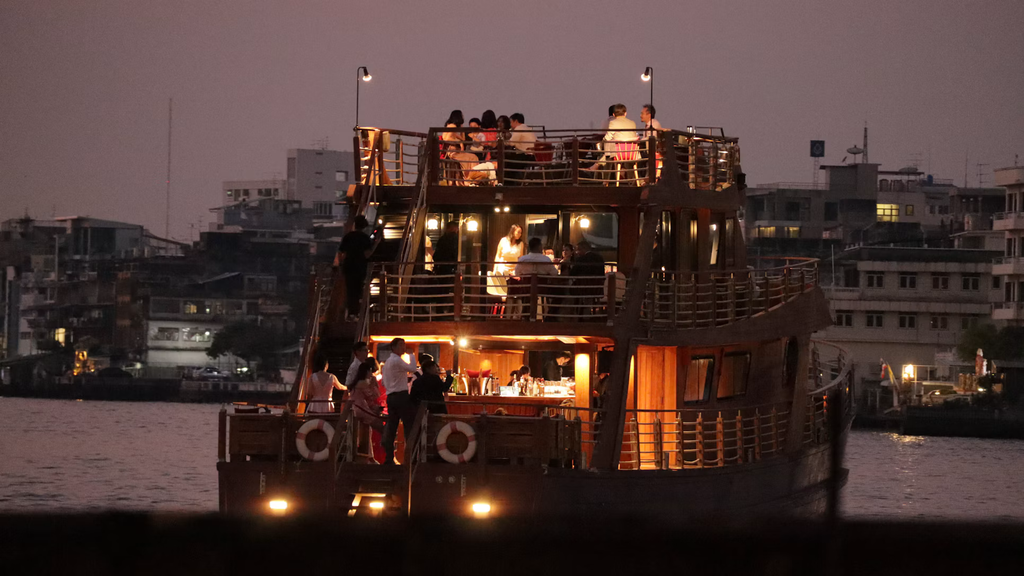
Image Credit: Unsplash
Choosing the Right Cruiser Layout
A good entertaining layout keeps the host connected to the group. An open galley beside the cockpit lets you prepare a final course while staying part of the conversation. A dining table that seats the full guest list is equally valuable. Count usable places, not the number shown in a brochure, since corners, support posts and narrow walkways can affect comfort.
Pay close attention to table height and seat depth during a viewing. Guests should be able to sit upright for a full meal without balancing plates on their knees. Test the arrangement with six adults if that reflects your usual group. One person should be able to leave the table without forcing everyone else to stand.
Shade and weather protection extend the hours when the dining area feels inviting. A canopy can reduce afternoon glare, while side protection helps when the evening breeze picks up. Good task lighting near the galley and softer light around the table make serving easier without flooding the entire cockpit with brightness.
The most memorable scenic waterfront restaurants use their surroundings as part of the experience. A cruiser can do the same when seating faces outward and large windows preserve the view. Still, practical details deserve equal attention. Check for ventilation, accessible trash storage and enough refrigerator capacity for your typical guest count. A beautiful dining space loses much of its appeal if every plate blocks a walkway or the host spends dinner below deck.
Safety Essentials for Evening Cruises
Check the forecast shortly before departure and again before leaving your dining stop. Wind direction, visibility and temperature can shift during a long evening. Set a clear return time that gets you back before fatigue becomes a factor, then share the approximate plan with someone ashore.
Complete routine mechanical and electrical checks while there’s still daylight. Confirm that navigation lights work, communication devices are charged and required safety equipment is accessible. Everyone should know where personal flotation devices are stored. Children and guests who are less confident around the water may need to wear them for the full outing, based on local requirements and conditions.
Keep the person at the helm free from hosting duties while the boat is underway. Another adult can distribute snacks, manage music and help guests move safely. Ask everyone to remain seated during departure and arrival, then explain which handholds and walkways to use. Low-level lighting should illuminate steps and deck edges without reducing the operator’s ability to see beyond the boat.
Large passenger vessels illustrate how dining areas can be designed around the surrounding environment. A venue such as this cruise ship restaurant pairs an open-water outlook with an organized service space. On a private cruiser, the scale changes but the principle remains useful: keep service contained, secure loose items and preserve clear paths.
Prepare a simple backup meal plan as well. If conditions require an early return, pack food that can be covered, chilled and served at the dock. Guests will remember a calm change of plan far more fondly than a host who pushes ahead with an uncomfortable trip.
When the last plates are cleared, offer a small dessert that can be eaten from one dish, such as berries with cookies or individual slices of cake. It keeps cleanup short and lets everyone enjoy the lights on shore before the return cruise. Secure the galley, count the guests and make one final check of the dining area before departure.

