



Trying to stop using substances can be really hard. Cravings arise. Withdrawal symptoms make things worse. Daily life keeps pulling your attention in different directions.
You might tell yourself you will stop, but stress or old habits pull you back. Over time, this cycle can damage your health. It can strain your relationships, affect your work, and weaken your confidence in your ability to recover. Without help, managing substance use can feel impossible.
That’s where residential recovery can make a difference. It offers a structured place where you can get medical care, deal with the deeper reasons behind your substance use, and learn new ways to cope. In this setting, you’re not alone. You get support every day around the clock.
How do you know when it’s time to move to this level of care? When do you need more than therapy or self-help?
Here are eight signs that might suggest residential recovery is the step for you.
Table of Contents
1. Repeated Attempts to Quit Without Success
Trying to stop using alcohol or drugs multiple times without lasting progress may show that you need more structured support. When you feel strong and determined cravings, stress and old habits can make it hard to stay on track.
If you are struggling to overcome substance dependence on your own, it may help to look into help. Consider inpatient care that’s close to where you live. For instance, if you live in Paola, you can look into residential recovery services in Paola. This way, you can access treatment in your local area.
These programs offer a structured setting where you can get help from trained professionals, take part in therapy, and focus on overcoming substance dependence.
2. Withdrawal Symptoms Make Quitting Difficult

Recovery may be difficult with withdrawal, particularly when your body has become addicted to alcohol or some drugs. The symptoms can be sweating, nausea, shaking, anxiety, sleep disorders, or severe discomfort. In some cases, withdrawal can also cause serious medical complications.
When you experience these symptoms when reducing or quitting substance consumption, consult a doctor instead of trying to treat them independently. Medical detox offers clinical support and monitoring of withdrawal. The professionals might suggest detoxing without inpatient rehabilitation, based on your condition.
This helps address immediate physical needs before focusing on the long-term aspects of recovery.
3. Cravings Interfere with Daily Responsibilities
With frequent cravings, you may lose concentration, decision-making, and the ability to handle daily tasks. You will probably be thinking about your next drink/dose even when you are busy working, have family commitments, or other obligations.
A structured residential recovery setting can be of assistance when these urges become hard to control. You will be able to engage in one-on-one counseling, group therapy, and recovery education and learn how to react to triggers in a practical manner. These strategies can eventually assist you to cope with challenging times without going back to substance use.
4. Substance Use Continues Despite Serious Consequences

Have you observed that the use of substances is impacting your relationships, finances, health, or work matters? Perhaps you have missed work, experienced family conflicts, or struggled to meet important commitments because of drinking or drug use.
The continuation of these consequences is an indication that the use of substances has become hard to manage. Residential treatment is a chance to discuss these patterns with professional help. With the help of therapy and other activities that are aimed at recovery, you will be able to learn what causes your behavior and strive to make healthier choices.
5. Experiencing Familiar Environments Enhances Relapse
The environment you are in can affect your recovery more than you may think. Regular contact with people who use substances, easy access to alcohol or drugs, and familiar routines can trigger cravings. Even familiar situations linked to past substance use can trigger cravings and increase the risk of relapse.
Inpatient rehabilitation offers some temporary separation from these triggers. In place of going home after the treatment session, you remain in a recovery-oriented environment. This will help you have time to identify individual triggers, practice healthier ways to respond, and anticipate what could happen after therapy.
6. Tolerance and Substance Use Continue to Increase
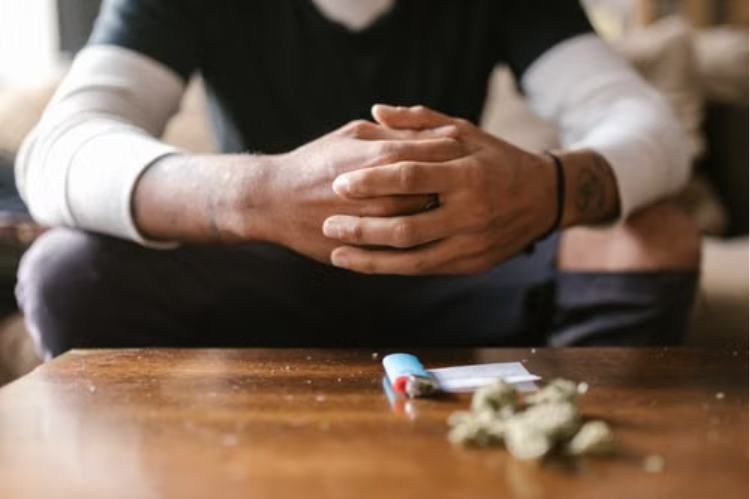
Requiring larger amounts of alcohol or drugs to experience the same effects may indicate increased tolerance. You might also notice that your substance use has become more frequent or that you need it to feel normal throughout the day.
These changes deserve attention because increased use can raise health and safety risks. A professional assessment can help determine the extent of substance dependence and identify an appropriate treatment plan. Depending on your needs, this may involve medical detox followed by inpatient care to address both physical dependence and the behaviors associated with substance use.
7. Mental Health Challenges Affect Recovery
Anxiety, depression, trauma, and emotional distress can complicate efforts to overcome substance dependence. You may use alcohol or drugs to manage difficult emotions, sleep problems, or stressful experiences. However, this can create a cycle in which substance use makes existing concerns harder to manage.
Residential treatment can provide an opportunity to address these concerns alongside addiction recovery. Individual counseling, cognitive behavioral therapy, and group-based support can help you understand emotional triggers and develop healthier coping skills. When mental health concerns and substance use occur together, addressing both is important for a more complete treatment plan.
8. Family Support Cannot Meet Your Treatment Needs

Support from family and friends can make a meaningful difference during recovery. However, encouragement at home may not be enough when you need medical supervision, consistent therapy, or help managing intense cravings.
If loved ones are struggling to support your recovery, residential treatment may provide the additional structure you need. You can receive guidance from clinical professionals, participate in group sessions, and learn practical relapse-prevention strategies. Family involvement may also help improve communication and prepare everyone for the transition back home.
Conclusion
Recognizing these signs can help you understand when independent recovery efforts may no longer be enough. Residential treatment offers structured care, medical support when needed, and opportunities to address the emotional and behavioral factors behind substance use.
However, the right level of care depends on your health, withdrawal history, and individual circumstances. A professional assessment can help determine whether detox, inpatient rehabilitation, or another treatment option is appropriate. Taking this step can help you build healthier routines, strengthen coping skills, and prepare for continued recovery beyond treatment.


