


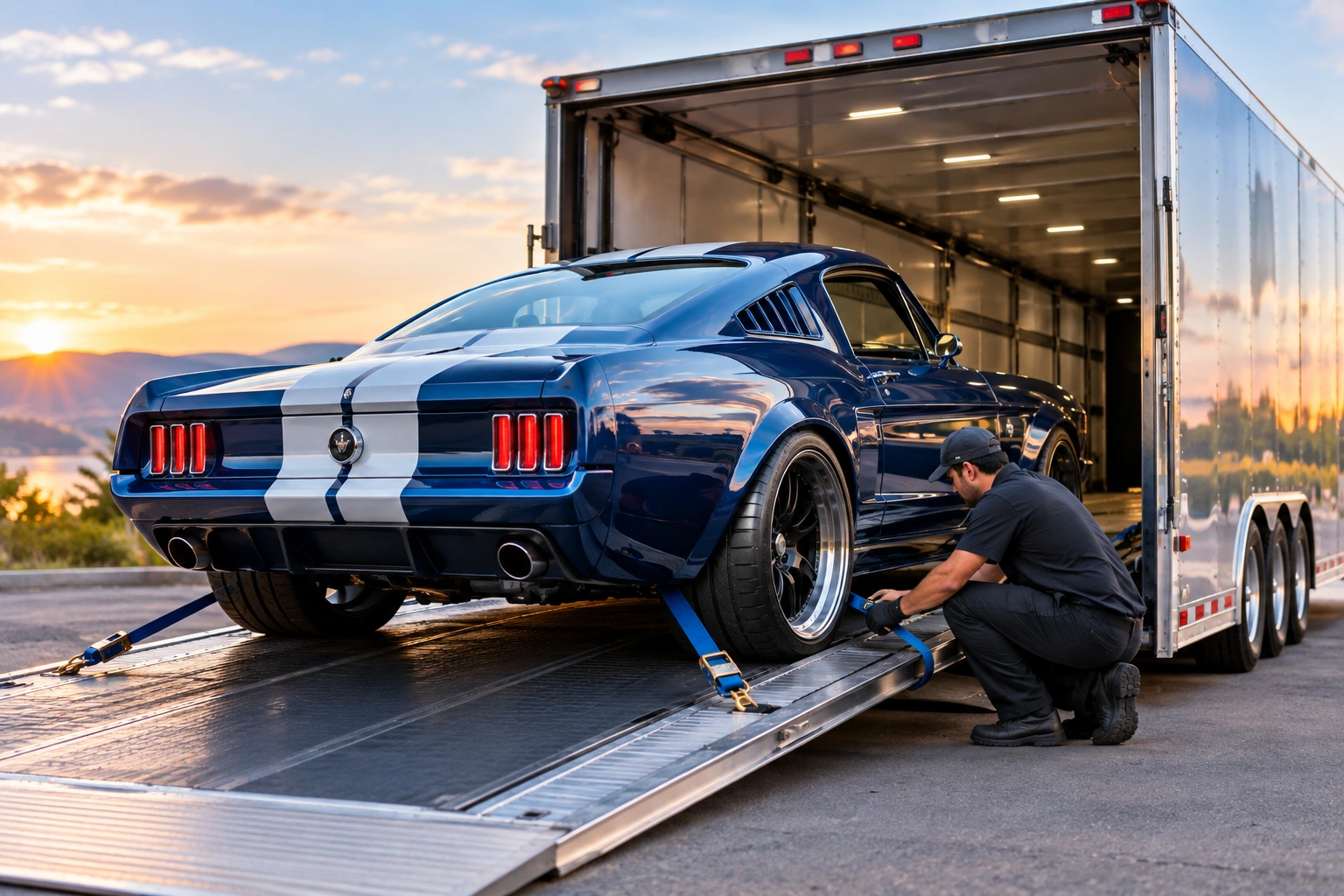
Moving a standard production vehicle is usually straightforward because its dimensions, suspension height, controls, and exterior features are predictable. A custom car is different. Once a vehicle has been modified, restored, lowered, widened, repainted, or fitted with rare components, transportation becomes less about simply moving it from one place to another and more about protecting something that may be difficult or expensive to reproduce.
The transportation method should reflect those differences. Owners often think about enclosed trailers because they reduce exposure to rain, road debris, and changing weather, but protection can extend beyond obvious hazards. For vehicles with delicate finishes or interiors, preventing sun damage and dust during vehicle relocation may also be part of choosing an appropriate transport setup. The right decision ultimately depends on the vehicle’s design, value, condition, and individual vulnerabilities.
Table of Contents
Customization Changes the Rules
A custom car may look similar to a standard vehicle from a distance, yet seemingly small modifications can create major transportation challenges. Lowered suspension is one of the clearest examples. A vehicle that sits only a few inches above the ground may scrape when driven onto equipment designed for normal ride heights. Extended bodywork, splitters, side skirts, or modified exhaust systems can create similar clearance concerns.
Changes to wheels and tires also matter. Oversized wheels, unusually wide tires, or specialty finishes can affect how the car should be positioned and secured. Traditional fastening methods that work perfectly well for an everyday vehicle may place unnecessary pressure on expensive wheels, suspension parts, or custom body components.
Even the way the vehicle operates may be unusual. Some custom cars have modified ignition systems, manual battery cutoffs, special fuel requirements, unusual gear selectors, or controls that are unfamiliar to someone seeing the vehicle for the first time. Communicating those details before loading helps prevent small misunderstandings from becoming costly mistakes.
Loading Is Often the Most Delicate Part
Much of the risk in transporting a modified car occurs before the trip actually begins. Loading and unloading require careful attention because ramps, trailer angles, and uneven surfaces can create problems for vehicles with limited ground clearance.
A gradual loading angle is especially important for cars with low front bumpers or extended aerodynamic components. Hydraulic lifting systems can reduce the need to drive a vehicle up steep ramps, which may make them useful for certain custom builds. Still, no single loading method is automatically best for every vehicle. The safest approach depends on dimensions, weight, suspension setup, and how much clearance is available underneath the car.
The person handling the vehicle should also understand whether any component needs special attention. A restored classic may have delicate trim, while a performance-focused build might have a low exhaust system or expensive carbon-fiber pieces close to the pavement. Careful preparation before movement usually matters more than rushing to complete the loading process quickly.
The Vehicle’s Modifications Should Guide the Transport Plan
Custom cars are built for different reasons. Some prioritize appearance, while others focus on performance, comfort, originality, or a combination of several goals. Transportation should account for what makes a particular car unusual rather than treating every modified vehicle as though it has the same needs.
A heavily restored car may require extra protection for paint, chrome, upholstery, and difficult-to-replace exterior details. A performance vehicle may instead need attention around lowered suspension, wider wheels, aerodynamic components, or mechanical systems that behave differently from factory specifications. The transportation plan should reflect those practical differences.
Understanding the build itself therefore becomes part of responsible preparation. Owners who want a clearer picture of how mechanical, cosmetic, comfort, and performance modifications can come together in a custom project can learn more from Chimera Motors before considering how those changes may affect transportation. The more unusual the finished vehicle becomes, the more useful it is to communicate its specific characteristics before loading begins.
Securing a Custom Car Requires More Than Tight Straps
Once a vehicle is loaded, it must remain stable throughout the trip without placing unnecessary force on delicate components. The challenge is finding the right balance between secure restraint and careful handling.
Custom suspension parts, specialty wheels, and modified bodywork can influence where and how restraints should be positioned. Soft tie-down methods or wheel-based restraint systems may be appropriate in situations where direct contact with painted or modified components should be minimized. What matters most is that the method matches the vehicle rather than relying automatically on a standard routine.
Periodic checks during longer journeys can also be valuable. Road vibration and movement may gradually affect tension, so securement should not always be viewed as something that is completed once and then forgotten. Careful transport involves monitoring the vehicle as conditions change.
Enclosed Transport Has Benefits, but It Is Not Always Essential
Enclosed transportation is often associated with custom, collectible, exotic, and restored cars because it creates a physical barrier between the vehicle and the outside environment. That can reduce exposure to weather, gravel, dirt, insects, and other road contaminants.
However, enclosed transportation generally costs more than open transport. That additional expense may make sense for a vehicle with valuable paintwork, rare components, extensive modifications, or significant sentimental value. For a lightly modified car that is regularly driven in normal conditions, open transportation may still be perfectly reasonable.
The choice should therefore be based on risk rather than assumption. A custom badge or aftermarket wheel does not automatically mean a car requires the highest level of transport protection. Owners should consider replacement cost, finish condition, ground clearance, weather exposure, and how difficult damaged components would be to repair.
Documentation Can Prevent Disputes Later
A detailed inspection before transportation gives both the owner and the transporter a clear record of the vehicle’s condition. Photographs should capture the body, wheels, glass, trim, and any especially valuable or vulnerable components.
For custom cars, close-up images are particularly useful because modifications may not appear on standard inspection forms. Small scratches, existing paint imperfections, unusual panel gaps, and custom parts should be recorded clearly before the vehicle moves.
Documentation is not only about assigning responsibility if something goes wrong. It also encourages everyone involved to pay closer attention to the specific vehicle. That awareness alone can contribute to better handling.
Also Read: What Well-Made Custom Window Shades Look and Feel Like
Treat the Car as an Individual Build
The biggest mistake in custom vehicle transportation is assuming that all cars can be handled the same way. Customization introduces variables that standard procedures may not fully address, from extreme ride heights and unique controls to delicate finishes and irreplaceable parts.
A successful transportation plan starts by understanding the individual vehicle. Its dimensions, modifications, condition, value, and operating quirks should determine how it is loaded, secured, protected, and delivered. When transportation is approached with the same attention to detail that went into the build itself, a custom car has a much better chance of arriving exactly as it left.

