


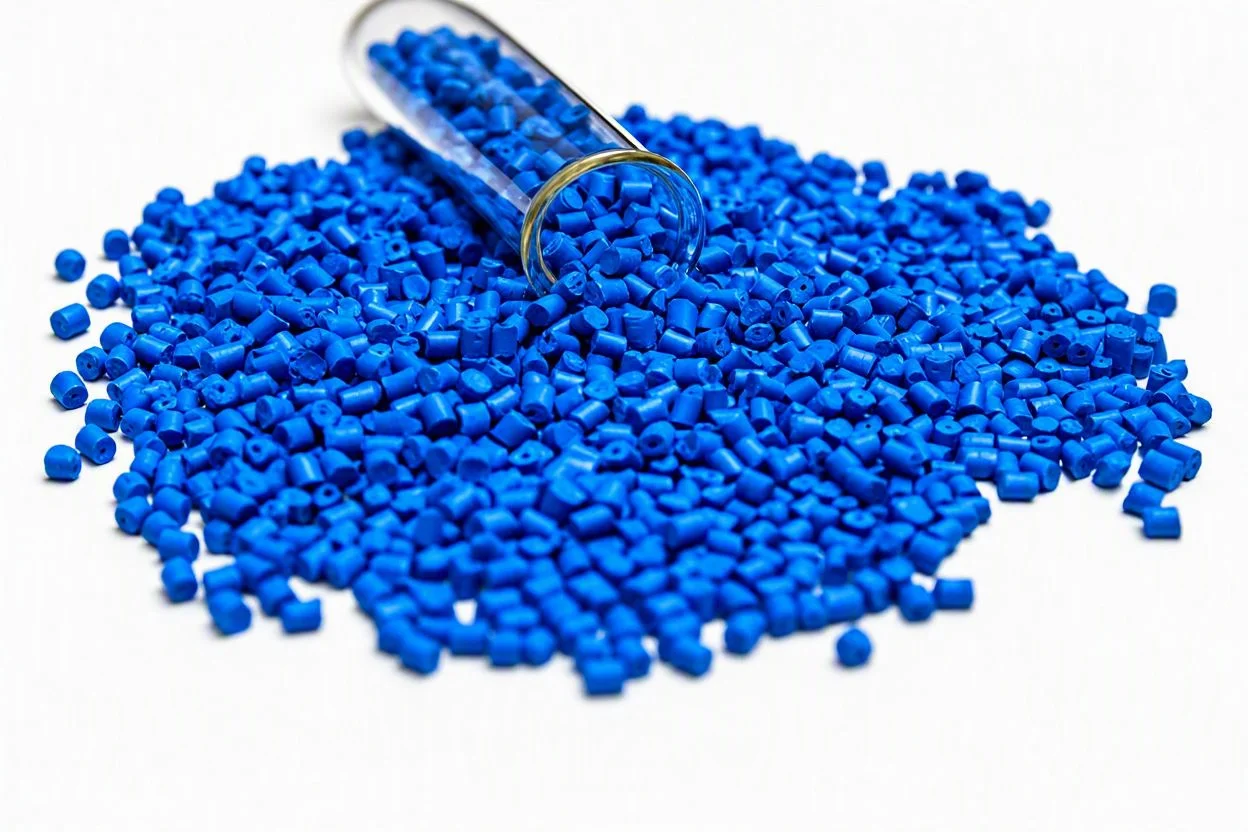
Choosing a plastic for a custom component starts long before production begins. The material has to match the job the part will perform, the conditions it will face, and the way it will be manufactured. A material that works well for an interior housing may fail quickly in a moving mechanical assembly or in an environment exposed to heat, moisture, impact, or chemicals. Feedback found in Wunder-Mold reviews often reflects the same practical concerns around material choice, part quality, and manufacturing consistency.
That is why material selection is usually tied closely to part design. Shape, wall thickness, tolerances, surface finish, and expected production volume all influence which plastics make sense for a specific component.
Table of Contents
Start With What the Part Actually Has to Do
The first question is simple: what will happen to the part during normal use?
A housing around an electronic component needs different properties than a gear, clip, cover, handle, or transparent panel. Some parts need stiffness so they hold their shape under pressure. Others need flexibility, impact resistance, low friction, or resistance to repeated movement.
Temperature also changes the picture. A material that performs well at room temperature may soften, warp, or become brittle when exposed to repeated heating and cooling. Parts used around oils, cleaning agents, fuels, or industrial chemicals need resistance to those substances as well.
Material selection becomes much easier once these operating conditions are clearly defined.
Strength Is Only Part of the Equation
A stronger plastic is not automatically the better plastic.
Excess stiffness sometimes creates brittle parts that crack under sudden impact. A softer material may survive repeated flexing much better. The right choice depends on the type of stress the component will experience.
Nylon, for example, is often selected for parts that need strength, wear resistance, and low friction. ABS is common where toughness, dimensional stability, and a clean surface finish matter. Polycarbonate is known for impact resistance and works well where transparency or durability is needed. Acrylic is another clear material, though it behaves differently under impact and is often chosen for visual clarity and appearance.
Each material comes with tradeoffs. Engineers compare those tradeoffs against the actual function of the part rather than choosing based on one property alone.
The Manufacturing Process Changes the Choice
A plastic may look ideal on paper but behave poorly during molding.
Some resins flow easily into thin sections and detailed cavities. Others require tighter temperature control or more careful mold design. Shrinkage also differs between materials, which affects final dimensions after the part cools.
Custom components produced through injection molding need materials that fill the mold consistently and release without damaging fine features. Wall thickness, ribs, bosses, undercuts, and sharp corners all affect how the plastic moves and cools inside the tool.
This is one reason material selection often happens alongside mold and part design rather than after the design is finished.
Surface Appearance Matters Too
Not every component is hidden inside a machine. Some parts are visible to the user, making texture, color, gloss, and clarity part of the material decision.
A housing for a consumer product may need a smooth finish and consistent color. A grip may require a softer surface. Transparent parts demand optical clarity, while industrial components often prioritize wear resistance over appearance.
Certain plastics also accept paints, coatings, printing, or secondary finishing more easily than others. If the part needs decorative treatment after molding, that requirement belongs in the original material plan.
Production Volume Affects Material Decisions
A prototype and a large production run do not always use the same material.
Early prototypes sometimes focus on fit and shape rather than final performance. Once production begins, repeatability becomes far more important. The chosen resin has to behave consistently across thousands of molding cycles without producing frequent defects or excessive scrap.
Price also enters the discussion at this stage. A small difference in raw material cost becomes significant when a part is produced in large quantities. Manufacturers weigh that cost against durability, processing time, reject rates, and the expected service life of the finished component.
Fun fact: Many common plastics shrink slightly as they cool after molding, so molds are often built a little larger than the final part dimensions. The exact allowance depends on the resin and the geometry of the component.
Also Read :Fire Safety Problems That Often Go Unnoticed Until an Inspection
The Best Material Is Usually the Best Match
There is rarely one plastic that outperforms every other option in every category. A successful choice comes from matching the resin to the part rather than chasing the highest strength rating or the lowest material price.
The most reliable selections come from looking at real operating conditions, production demands, appearance requirements, and part geometry together. Once those details are clear, the list of suitable plastics usually becomes much shorter, and the finished component has a far better chance of performing the way it was intended.

