


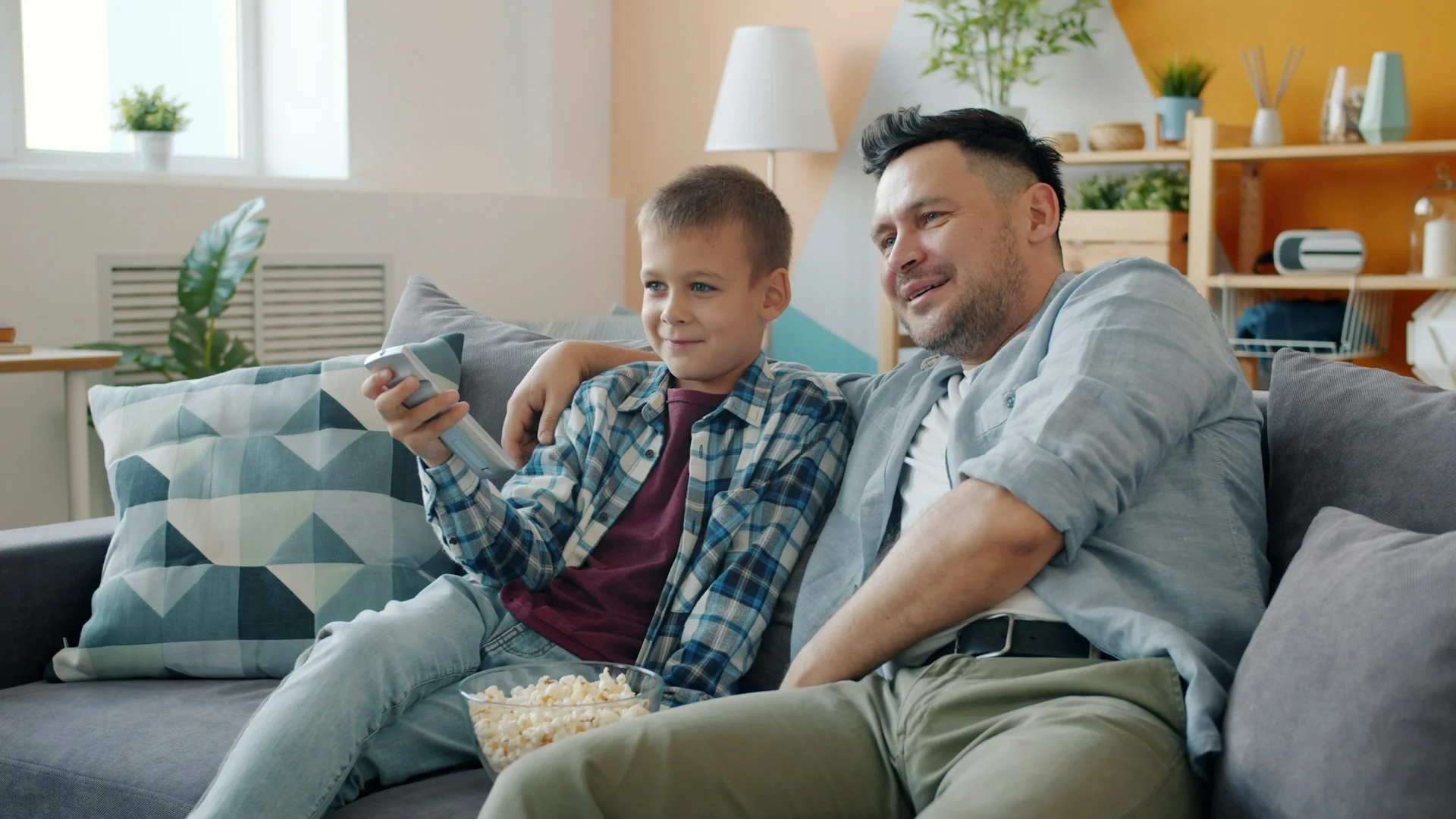
Fast-paced children’s programs can pack dozens of visual changes, sound cues and story beats into a few minutes. That constant novelty may hold a young viewer’s gaze, but sustained looking doesn’t always equal meaningful attention or understanding. For parents, the useful question is how a show directs attention and gives a child time to process what happened. Examining scene length, audio intensity and narrative structure can reveal why some programs leave children settled while others seem to keep them seeking the next burst of stimulation.
Table of Contents
Scene Transitions Measured by the Second
Media pacing can be measured through average shot length, which tracks the time between cuts or major visual changes. A calm program might hold one scene long enough for a character to complete an action and explain it. Faster content may switch settings, camera angles or graphics every few seconds.
Cuts alone don’t determine quality. A scene can remain visually busy without changing camera angles, while a quick cut may clarify a story. Still, transition frequency gives parents a concrete starting point. Resources such as Calm Shows (Good for Toddlers and Preschoolers) compare children’s streaming options using visual and auditory pacing data. When previewing a show yourself, watch one minute and count noticeable changes. Then consider whether each change supports the story or simply supplies fresh stimulation.
How Hyper-Stimulation Strains Focus
Young children are still developing the ability to choose what deserves attention and ignore competing signals. Rapid cuts, loud effects and frequent pop-up graphics repeatedly pull attention from the outside. This can reduce opportunities to practice directing focus independently.
The relationship between media and attention is complex. The research summary on children’s attention and media explains that content, context and individual differences all matter. A fast show doesn’t automatically create an attention problem, and one viewing session can’t predict long-term outcomes.
Parents can watch what happens afterward. Trouble shifting to dinner, repeated requests for another episode or difficulty settling into quiet play may suggest that the viewing experience was too intense for that child at that time.
Finding Purposeful Media Alternatives
Purposeful children’s media gives viewers enough time to follow an idea. Look for clear dialogue, manageable background sound and stories that pause after a question or discovery. Programs built around drawing, gentle problem-solving, music or real-world demonstrations can encourage children to respond instead of staring passively.
You can also make familiar content more interactive. Pause after a character encounters a problem and ask what might happen next. Invite your child to copy a movement, name an object or explain a feeling. Keep the question simple and wait several seconds for an answer.
Attention also benefits from periods without programmed entertainment. In a discussion of shrinking attention spans, psychologist Gloria Mark describes how frequent switching affects focus. A calm transition into blocks, coloring or outdoor play gives a child space to stay with one activity.
Building a Thoughtful Viewing Diet
A balanced viewing routine starts with predictable limits and intentional choices. Decide what your child will watch before turning on the screen, turn off autoplay and stop at a natural endpoint. One complete episode is easier to understand than a stream of unrelated clips.
Try keeping a simple viewing note for a week. Record the program, approximate viewing time and your child’s behavior during the next 15 minutes. Patterns often matter more than one difficult afternoon. You may notice that energetic content works earlier in the day while slower stories fit better before dinner.
Shared viewing provides another useful filter. If the program moves too quickly for you to discuss what’s happening, a preschooler may also struggle to process it. Choose shows with breathing room, then leave a few quiet minutes afterward so the story can settle before the next activity begins.
A child who can recall the story, talk about a character’s choice or carry an idea into play has done more than watch. Those small signs show that the program left enough room for attention to become understanding.

