


Air travel can turn the first and last days of a vacation into an exhausting sequence of early alarms, crowded terminals and tightly timed connections. That friction is changing how many travelers think about getting away.
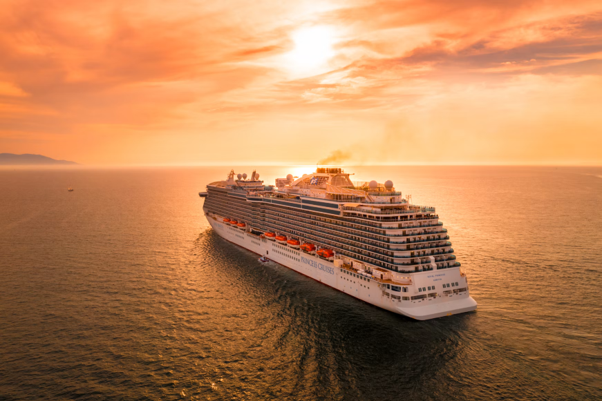
Ocean travel offers a different rhythm. Departures from domestic ports can reduce airport stress, while a single cabin becomes a comfortable base for exploring several destinations. For travelers who value an easy start, unrushed meals and time to settle in, the appeal is clear.
Long Security Lines Change Vacation Priorities
Airport security has always required extra time, but unpredictable queues make planning harder. Recent reporting on airport wait times shows how staffing pressure and operational disruption can create unusually long lines. A two-hour cushion may suddenly feel too tight, particularly when a delayed connection could affect the rest of a trip.
This uncertainty encourages travelers to judge vacations by the whole experience, including the hours spent getting there. When comparing options, calculate the door-to-door travel time, not only the advertised flight duration. Include the trip to the airport, check-in, security and baggage collection. A short flight can easily consume most of a day once those stages are counted.
Boarding Directly from Domestic Docks
Leaving from a port within your own country removes several common pressure points. There’s no international airport check-in, no concern about making a flight connection and usually more flexibility around how you reach the terminal. Travelers can often arrive by train, coach or car on the day of departure.
For those ready to compare itineraries, Saga cruises from Britain provide examples of ocean vacations that begin at domestic docks. Check the departure port before booking and price the full transfer from home. A hotel near the terminal may be useful if you live several hours away. Arriving the previous evening also creates a buffer for traffic or rail delays without requiring a punishingly early start.
Unpacking Once for Multiple Destinations
Multi-stop vacations often involve repeated packing, hotel checkouts and transfers. On an ocean itinerary, your clothes stay in one wardrobe while the view outside changes. You might wake near a historic harbor one morning and a coastal town the next without dragging a suitcase through another station.
That convenience makes longer itineraries feel manageable, especially for couples with different energy levels or families traveling across generations. Review the schedule closely and look at the balance between days at sea and time in port. Avoid filling every shore day with an organized activity. Choosing one priority, such as a museum or waterfront lunch, leaves room to explore without watching the clock. Packing cubes and a small day bag also keep daily departures simple.
True Relaxation Begins on Day One
The slower pace starts as soon as you board. Instead of waiting for a vacation to begin after a demanding travel day, you can find your cabin, eat a proper meal and explore the ship. Your transportation and accommodation move together, which turns time between destinations into part of the break.
Air travel may become easier as screening rules and technology change. One discussion of a possible air travel revival points to reforms that could improve the passenger experience. For now, many travelers prefer the predictability of beginning at a dock. Pick a departure port you can reach comfortably and leave enough time to board without rushing. The vacation can then begin with lunch and an ocean view, not a sprint through a terminal.

