



Sunken concrete can turn a routine maintenance item into a costly operational problem. Uneven sidewalks create accessibility concerns, loading areas may stop draining correctly, and gaps near entrances can interfere with carts or doors. Still, removing an entire slab is often a bigger response than the situation requires.
Facility managers can control costs and limit downtime by identifying why the concrete moved, measuring the damage, and comparing repair methods before approving replacement. A structured review also supports broader facility management strategies that treat exterior surfaces as assets with measurable service lives.
The True Cost of Demolition and Repour
Replacement estimates often focus on the price of new concrete. That figure tells only part of the story. Demolition may require temporary barriers, debris removal, access restrictions, and coordination with building occupants. The new surface also needs time to cure before normal traffic can resume.
Operational costs can be significant. A closed walkway may require a temporary accessible route. Work near a loading area can change delivery schedules. If the affected slab sits outside a busy entrance, the facility may need extra signs and staff support to direct visitors. These indirect expenses belong in the project estimate.
Before approving demolition, document the slab’s condition and request repair options. Measure vertical displacement, note active cracks, and check how water moves across the area after rain. If the slab remains structurally sound but has settled, lifting may restore its position without removing it. Edmonton-area residential, commercial and industrial property owners can request Mudjacking Services when evaluating lifting and leveling options for settled concrete.
Use a side-by-side comparison that includes labor, materials, access downtime, disposal, and future maintenance. Guidance on whether to renovate or replace can also help teams assess aging infrastructure using its condition, performance, and expected life. A lower initial quote doesn’t always produce the lowest total project cost.
Soil Settlement Is Inevitable
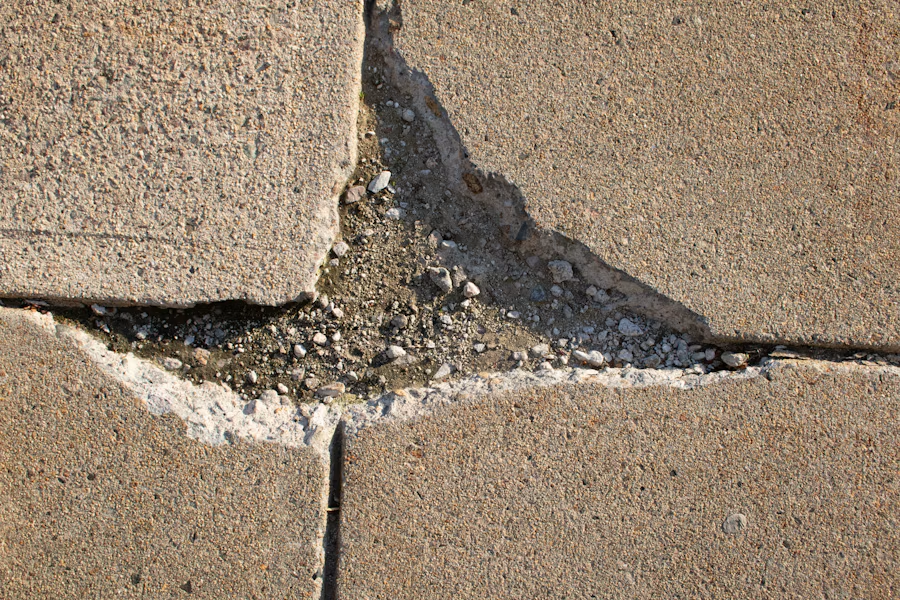
Concrete rests on soil and aggregate that change over time. Backfilled areas can compress, fine particles may wash away, and seasonal moisture changes can cause supporting material to expand or contract. Freeze-thaw cycles add movement in colder regions. Even a well-installed slab can settle after years of exposure.
The key question is how quickly the movement is happening. A small elevation change that has remained stable for several years calls for a different response than a slab that drops further each season. Establish a baseline with dated photographs and measurements at fixed points. Recheck the area after heavy rainfall, spring thaw, or nearby construction.
Water deserves close attention because poor drainage can accelerate settlement. Look for downspouts discharging beside concrete, clogged drains, and low areas where runoff collects. Hidden water leaks can also affect supporting soil, so identifying underground pipe leaks before major repairs may help pinpoint problems contributing to concrete movement. A lifted slab may settle again if the source of erosion remains. Extend drainage away from the slab when practical and repair nearby leaks before scheduling surface work.
Also inspect adjoining features. A sidewalk panel may sink beside a stable foundation while a larger parking slab could show movement across several joints. Map the affected area instead of treating each visible edge as an isolated defect. This helps a contractor determine whether localized lifting, broader stabilization, or full replacement is appropriate.
Keep these findings in the facility record. Practical facilities management resources can help teams build inspection routines that connect exterior conditions with budgeting, safety, and daily operations.
Leveling Slabs with Minimal Disruption
Slab leveling works by placing material beneath settled concrete to fill voids and raise the surface toward its original position. Mudjacking generally uses a cement-based slurry, while polyjacking uses an expanding material. Site conditions, slab weight, access, and the size of the void influence which method fits the job.
This approach often requires smaller work zones than demolition. Crews typically create access points in the existing slab, add the lifting material, and monitor the surface as it rises. The work can preserve adjoining panels, curbs, and landscaping that might otherwise be disturbed during removal. Return-to-service timing varies by method and site, so confirm the expected schedule before rerouting people or deliveries.
Ask the contractor to explain the target elevation and how it will be checked. Perfect alignment may be unrealistic where neighboring surfaces have also shifted. The practical objective could be restoring drainage, reducing a vertical trip edge, or allowing a door to clear the pavement.
Before work begins, locate utility lines and identify sensitive areas such as floor drains or building joints. Share traffic patterns with the contractor, including delivery windows and peak visitor periods. Schedule noisy or access-sensitive work for lower-traffic hours when possible.
Leveling won’t solve every concrete problem. Slabs with severe cracking, extensive material loss, or failed reinforcement may need replacement. A qualified site assessment should separate settlement problems from structural deterioration before the facility commits funds.
Long-Term Exterior Asset Preservation
Exterior concrete should appear on the preventive maintenance schedule with roofs, drains, and mechanical equipment. An inspection each spring and fall can catch small elevation changes before they interfere with drainage or access. High-traffic areas may need more frequent checks, especially around entrances, ramps, and loading zones.
Create a simple condition scale for consistent reporting. For example, label areas as stable, monitor, repair soon, or restrict access. Include photographs, measurements, and the date of each inspection. Consistent records make budget discussions easier because managers can show how a defect has changed instead of relying on memory.
Address connected maintenance issues promptly. Seal appropriate joints, keep drainage paths clear, and correct concentrated runoff. Avoid piling heavy materials on slabs that weren’t designed for storage loads. If tree roots, vehicle traffic, or nearby excavation may be contributing to movement, include those factors in the repair plan.
Delaying minor work can also raise future costs. The cost of deferred maintenance may include emergency response, operational interruptions, and faster asset deterioration. A planned repair during mild weather usually provides more control over access, scheduling, and contractor availability than an urgent closure.
Set a review date after any lifting or replacement project. Check drainage after the next major storm and remeasure repaired joints within six to twelve months. That follow-up confirms whether the surface remains stable and gives you useful performance data for future projects.
A slab that still has structural value deserves a condition-based decision. Record the movement, correct the source where possible, and choose the least disruptive method that restores safe use. Replacement can remain an option for failed concrete, but it shouldn’t be the automatic first line on every exterior repair order.

