


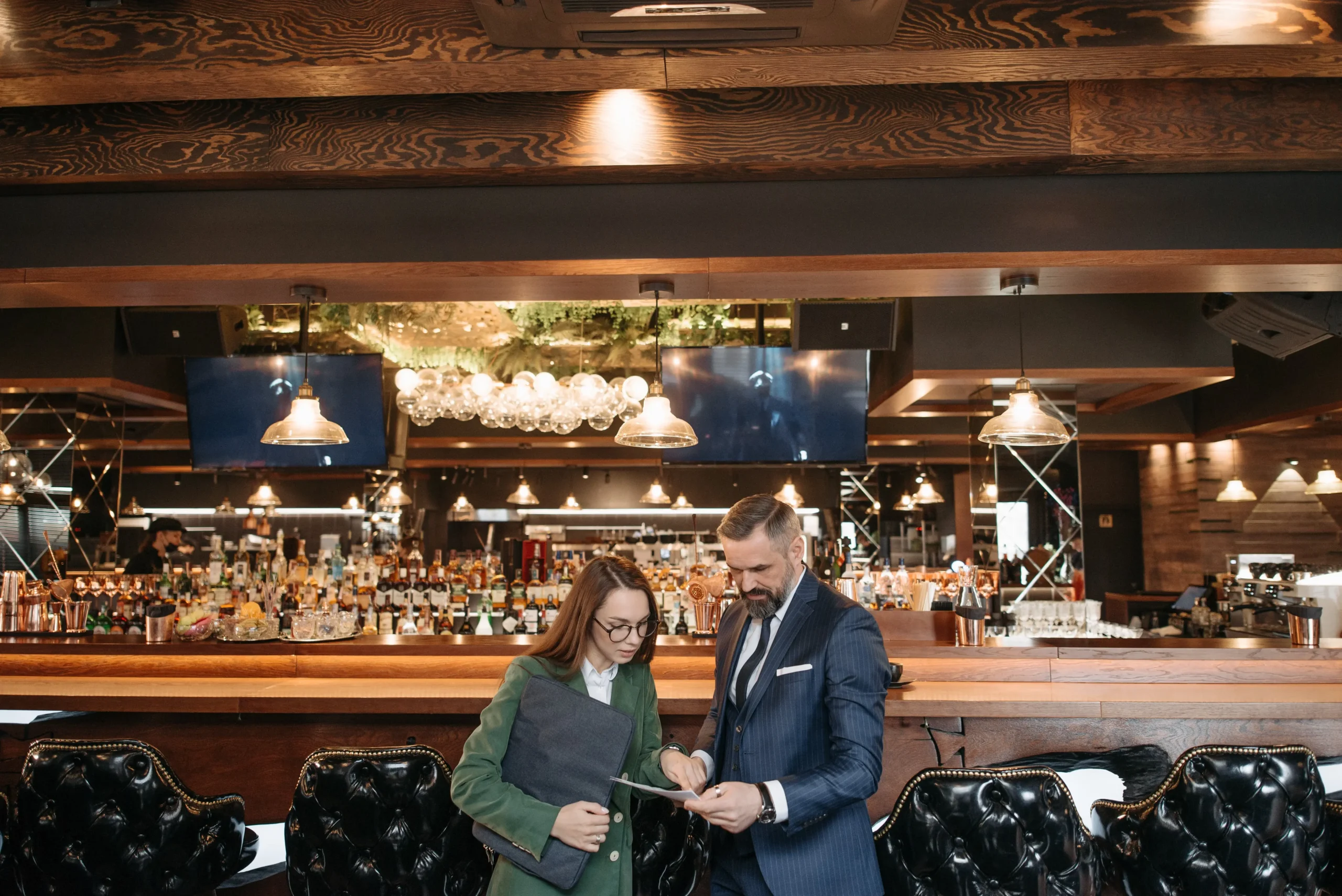
Patron safety starts with a practical plan that staff can follow when a routine night changes without warning. Restaurants, bars, and event venues need clear emergency procedures, accessible exits, and dependable medical equipment. Managers also need to account for crowd size, building layout and the needs of guests with disabilities. A written plan brings those pieces together, but regular checks and staff practice determine how well it works during a real incident.
Table of Contents
Shifting Standards for Public Spaces
Guests increasingly expect venues to prepare for medical emergencies, severe weather, power outages, and crowded exits. Review occupancy limits, evacuation routes and emergency lighting whenever the floor plan changes. Temporary stages, seasonal patios and private-event seating can create new barriers even when the permanent layout meets local requirements.
Accessibility belongs in every review. The temporary event accessibility guide covers routes, parking, communication, and other considerations for guests with disabilities. Venues should also check life-saving equipment on a documented schedule. An AED subscription can help businesses manage hardware, monitoring, on-site service, and replacement pads or batteries without relying on staff to track every expiration date manually. These checks should form part of broader routine safety inspections, which can identify overlooked equipment problems and other hazards before an emergency occurs.
Immediate Actions During Sudden Incidents
Give staff a short sequence they can remember under pressure. One employee should contact emergency services, another should meet responders at the entrance, and a trained team member should begin appropriate first aid. Assigning these roles before an incident prevents several people from making the same call while other urgent tasks go undone.
Keep aisles and access points open so responders can reach the guest quickly. Staff should avoid moving someone with a possible head, neck, or back injury unless the surrounding area presents an immediate danger. For larger gatherings, public event safety planning should also address crowd movement, communication channels, and coordination with outside services. Afterward, record the timeline and actions taken while details remain fresh.
Modern Alternatives to Buying Life-Saving Gear
Buying emergency equipment outright can give a venue direct control over its devices, but it also means the organization must arrange inspections, track replacement parts, and monitor product updates. This approach can work well for businesses with a dedicated safety manager. Smaller hospitality teams may prefer a managed program that helps keep these responsibilities organized.
Managed programs offer another model. Depending on the provider and service level, a venue may receive equipment, scheduled maintenance, monitoring, and replacement of expired components under one recurring arrangement. Before choosing a program, confirm who checks readiness, how quickly damaged equipment is replaced, and what happens when pads or batteries expire. Ask for a clear inventory process as well. Each device should have a known location, visible signage, and an inspection record that managers can retrieve without searching through paper files.
Keeping Staff Confident and Prepared
Training works best when it reflects the venue’s actual layout. Walk employees from the dining room or event floor to the nearest exit, first-aid supplies, and emergency equipment. Show them which entrance responders should use and who has access to locked areas. New hires should receive this orientation before working an unsupervised shift.
Schedule short drills several times a year and vary the scenario. One practice might involve a guest collapsing near the restrooms, while another could cover an evacuation during a packed private event. Include hosts, servers, kitchen employees, and managers since an incident may begin anywhere.
End each drill with a five-minute review. Fix unclear assignments, blocked routes, or missing contact information immediately, then note the correction in the safety log. A staff member who knows exactly where to go and whom to call can save valuable time when every minute matters.

