


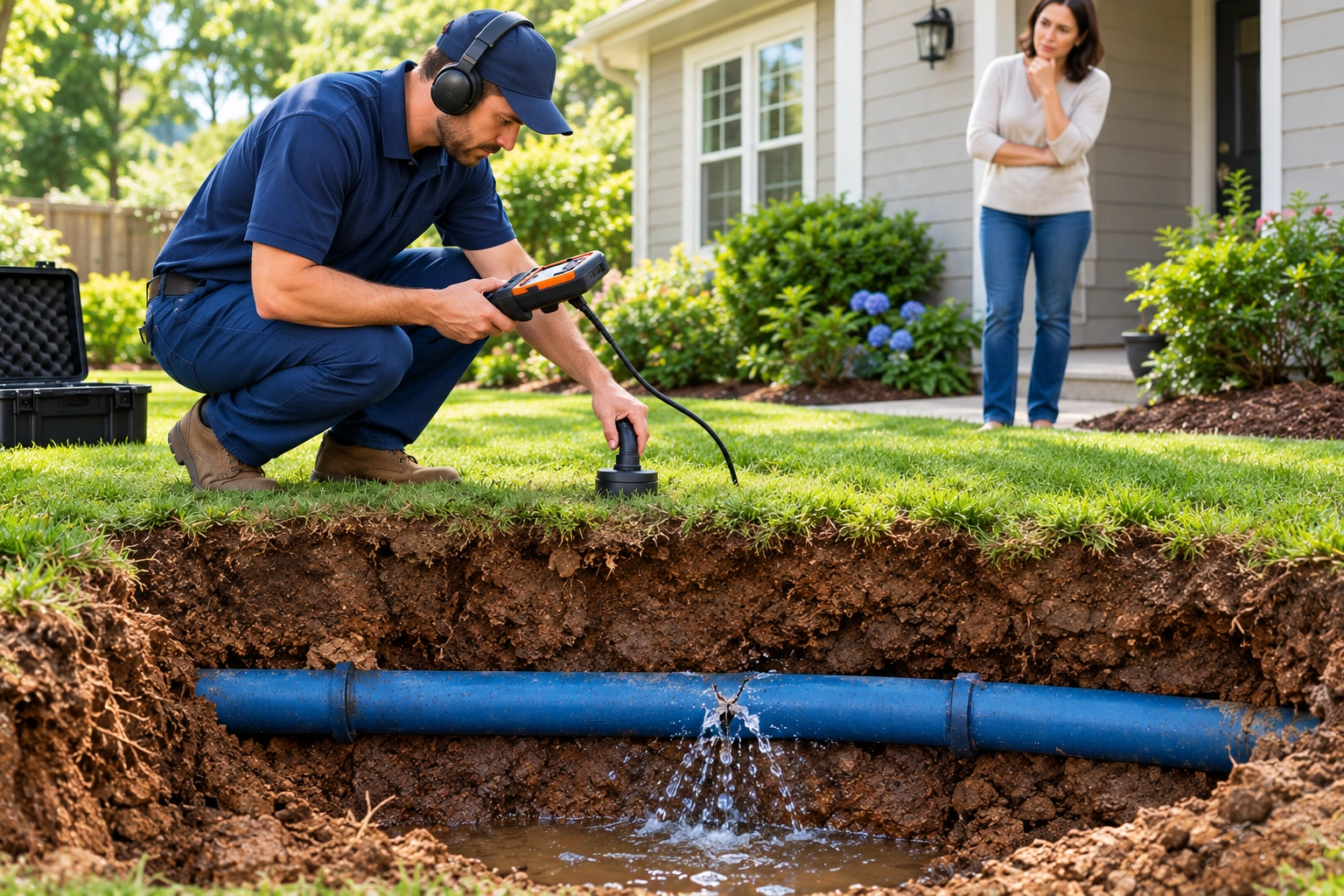
Most homeowners rarely think about the pipes running beneath their floors, foundations, or yards until something goes wrong. Because these pipes are hidden, a small leak can continue for quite a while before there is an obvious sign of trouble. By the time water starts appearing where it should not, the problem may already be affecting flooring, walls, soil, or even the foundation itself.
The good news is that underground pipe problems do not always mean tearing everything apart. Once the damaged area is found, the repair may involve replacing a short section, fixing a failed connection, or using suitable underground pipe repair hardware when the damage is limited to a specific part of the line. The right choice depends on where the leak is, what caused it, and how healthy the rest of the pipe is.
Table of Contents
Small Warning Signs Can Point to a Bigger Problem
Underground leaks are not always dramatic. In fact, the first warning may seem completely unrelated to plumbing. That is one reason they can be easy to miss.
An unexplained increase in the water bill is one of the most common clues. If your household habits have stayed the same but water use keeps climbing, water may be escaping somewhere you cannot see. A drop in water pressure can also be a warning, especially when several faucets or fixtures seem weaker than usual.
Other signs may show up around the home. Damp flooring, musty smells, peeling paint, unexplained wet spots outside, or areas of flooring that suddenly feel warmer can all deserve a closer look. None of these signs confirms a hidden leak on its own, but together they can help narrow down where the problem might be.
Finding the Leak Before Opening Up the Floor
When homeowners suspect a hidden leak, one of the biggest concerns is usually how much of the property will need to be opened up. Fortunately, locating the problem does not always begin with breaking concrete or digging large sections of the yard.
Professionals can use several methods to narrow down the source. Pressure testing may show whether the plumbing system is losing water. Listening equipment can sometimes pick up the sound of water escaping from a pressurized pipe, while moisture meters may reveal where water has collected beneath a surface.
Temperature differences can also provide useful clues when hot-water pipes are involved. The goal is to find the most likely location of the damage before any major work begins. The more accurate the diagnosis, the less unnecessary cutting, digging, and repair work may be needed afterward.
Why Leaks Under Concrete Are Harder to Spot
Pipes underneath concrete can be especially tricky because there is a solid barrier between the plumbing and the rooms above. Water may travel beneath the surface before it becomes visible, which can make the leak seem like it is coming from somewhere else entirely.
A homeowner might notice a warm patch on the floor, damp carpet, cracked flooring, or the sound of running water when nothing is turned on. In other cases, the only early clue may be that the water meter continues moving even though all faucets and appliances are off.
Because water does not always appear directly above the break, diagnosing water issues under concrete usually takes more than simply checking the area where moisture first appears. A combination of testing and careful inspection can help narrow down the actual source before the floor is opened.
Should You Repair One Spot or Replace More Pipe?
Once the leak has been found, homeowners usually face another question: is a small repair enough, or is it time to replace a larger section of plumbing?
If the pipe is generally in good condition and the problem is limited to one crack, joint, or damaged area, a localized repair may be perfectly reasonable. Replacing a short section can solve the problem without disturbing more of the system than necessary.
Older pipes are a different story. If one leak is part of a pattern of corrosion, repeated failures, or worn connections, fixing only one spot may provide temporary relief rather than a long-term answer. In those cases, replacing a larger section may reduce the chances of having to deal with another leak a few months later.
The reason the pipe failed should also be considered. Corrosion, soil movement, high water pressure, poor installation, or physical damage can all create different kinds of problems. Fixing the leak without addressing the cause may leave the plumbing vulnerable to another failure.
The Location of the Leak Can Change the Repair Plan
Where the pipe sits often matters just as much as what is wrong with it. A damaged pipe in an open section of yard may be relatively easy to reach. A pipe beneath finished flooring, concrete, cabinetry, or another permanent feature is much more difficult.
Sometimes the most direct solution is to expose the damaged section and repair it. This allows the pipe to be inspected closely and gives clear access to the problem area. However, the surrounding surfaces may then need to be restored, which can add to the overall cost.
In other situations, rerouting part of the plumbing may make more sense than repeatedly opening a difficult area. A new line may be installed through a more accessible path, especially when the existing pipe is old or likely to develop additional problems.
For homeowners, this is why the cheapest repair on paper is not always the least expensive choice in the long run. Access, cleanup, surface repairs, and the expected life of the plumbing should all be part of the decision.
Also Read : What Well-Made Custom Window Shades Look and Feel Like
Catching the Problem Early Can Save a Lot of Trouble
Hidden pipe leaks rarely improve on their own. Even a slow leak can gradually damage flooring, drywall, cabinets, or other parts of the home if it continues long enough.
Paying attention to changes in water bills, pressure, flooring, moisture, and unusual sounds can help catch a problem sooner. Once you suspect a leak, finding the source before starting repairs can prevent unnecessary work and make it easier to choose the right solution.
Not every underground pipe problem requires a major replacement. Some can be handled with a focused repair, while others are signs that a larger section of plumbing is reaching the end of its useful life. The key is understanding what failed, why it failed, and whether the rest of the system is still dependable.
With a careful diagnosis and a repair suited to the actual condition of the pipe, homeowners can often solve the immediate leak while also reducing the chances of dealing with the same problem again.

