


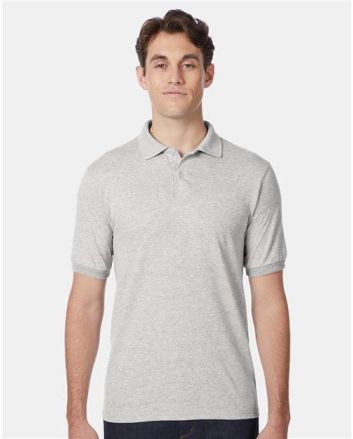
Most people picture a polo shirt with short sleeves. It is the classic version seen on golf courses, in retail stores, and at summer events. But organizations that rely on polos as uniforms quickly discover that one sleeve length rarely works for every person, every role, and every season.
Staff working outdoors in winter may feel the cold through a short-sleeve shirt. Employees in air-conditioned offices may prefer the extra coverage of long sleeves even in summer. Workers in sunny climates may want arm protection without overheating.
Sleeve length may seem like a minor detail, but it has a real effect on comfort, protection, and appearance. This article explores how sleeve length shapes polo uniform programs, how different roles and environments influence the choice, and how organizations can plan a polo wardrobe that works throughout the year.
Understanding Sleeve Length in Polo Shirts
The Short-Sleeve Standard
Short-sleeve polos are the most common style. They offer good ventilation, freedom of movement, and a relaxed but neat appearance. They suit warm environments, active work, and casual settings.
Long-Sleeve Polos
Long-sleeve polos keep the familiar polo collar and placket but extend the sleeves to the wrist, often finished with ribbed or hemmed cuffs. They provide more coverage, warmth, and a slightly more formal look.
Three-Quarter Sleeves
Some polos, particularly in women’s fits, offer three-quarter sleeves that end between the elbow and wrist. These can be a comfortable middle ground in mild conditions.
How Different Roles Influence Sleeve Choice
Customer-Facing Retail and Hospitality
In shops, restaurants and hotels, appearance matters. Short-sleeve polos are common and practical, but some businesses prefer long sleeves in cooler months or for front-of-house roles where a more formal look is desirable.
Office and Reception Teams
Offices often have consistent indoor temperatures, sometimes on the cool side due to air conditioning. Long-sleeve polos can provide comfort and a polished appearance for reception staff, account managers, and administrative teams.
Field Crews and Outdoor Workers
Outdoor workers face the widest range of conditions. In summer, short sleeves keep them cool. In cooler months, long sleeves add warmth and protection. In sunny conditions, long sleeves can also reduce sun exposure on the arms. Field service companies, surveying teams, and utility crews often stock wholesale long sleeve polos alongside their standard shirts, giving workers an option that protects their arms on cold mornings or long days in strong sun.
Warehouse and Production Staff
Warehouse environments can be hot in summer and cold in winter, especially near loading docks. Short sleeves often suit active roles, but long sleeves may be preferred in colder areas or where arm protection from scrapes is useful.
How Climate and Seasons Shape the Decision
Warm Climates
In hot regions, short-sleeve polos are usually the default for most of the year. Breathable fabrics and lighter weights matter as much as sleeve length.
Temperate Climates
Regions with distinct seasons benefit most from offering both lengths. Staff can switch between them as the weather changes.
Cold Climates
In colder regions, long-sleeve polos often become the main uniform for much of the year, sometimes layered under jackets or fleeces.
Indoor Versus Outdoor Conditions
The same organization may have very different needs across roles. Indoor teams may face little seasonal change, while outdoor teams experience the full range.
The Role of Short Sleeves in a Uniform Program
Short sleeves remain the backbone of most polo uniform programs. They are versatile, comfortable in most indoor settings, and familiar to customers.
When planning the core of a uniform, many organizations begin with short sleeve polos as the everyday standard, then add other options where roles or seasons require them. Starting with a dependable short-sleeve style also makes it easier to match colors and logos when long-sleeve shirts are added later.
When Short Sleeves Work Best
- Warm weather and active work.
- Indoor environments with comfortable temperatures.
- Casual and semi-casual customer-facing roles.
- Events and promotional activities in summer.
Important Elements to Consider
Color Matching Between Sleeve Lengths
One of the biggest challenges when offering both sleeve lengths is color consistency. Shirts from different product lines may use slightly different dyes or fabrics. Choosing styles from the same product family, or comparing samples side by side, helps avoid mismatched teams.
Logo Placement
Logos are usually placed on the left chest for both sleeve lengths. Some organizations add sleeve branding on long-sleeve polos, which offers additional visibility.
Fabric Weight
Long-sleeve polos in heavier fabrics provide more warmth, while lighter fabrics suit sun protection in warm conditions. Choosing the right weight depends on whether long sleeves are mainly for warmth or for coverage.
Cuff Style
Ribbed cuffs stay in place when sleeves are pushed up and keep out drafts. Hemmed cuffs look cleaner and slightly more formal.
Layering Compatibility
Long-sleeve polos are often worn under vests, fleeces or jackets. The fit should allow comfortable layering without bunching.
Planning a Year-Round Polo Wardrobe
Assess Each Role
Start by listing the roles in your organization and the environments they work in. Note which roles face seasonal changes and which work in stable conditions.
Decide on Allocation
Many organizations give each employee a set of short-sleeve polos as the core uniform, then provide one or two long-sleeve polos for colder months or specific needs. Outdoor teams may receive more long-sleeve shirts.
Offer Choice Where Possible
Allowing employees to choose their preferred sleeve length, within guidelines, can improve comfort and satisfaction.
Time Seasonal Orders
Order long-sleeve polos ahead of cooler months, so staff have them when temperatures drop. Similarly, refresh short-sleeve stock before summer.
Coordinate With Outerwear
Consider how polos will work with jackets, vests, and fleeces in the uniform program. A coordinated system keeps teams looking consistent in all seasons.
Real-World Examples of Sleeve Planning
Looking at how different organizations approach sleeve length helps show how these principles work in practice.
A Regional Landscaping Company
A landscaping business operating in a region with hot summers and cold winters might issue every crew member several short-sleeve shirts for the warmer months and two or three long-sleeve shirts for spring and autumn. In winter, crews wear the long-sleeve shirts under insulated jackets or vests. The same color and logo across both styles keeps the team recognizable to clients all year.
A Hotel Front Desk
A hotel lobby usually stays at a stable temperature, but front desk staff may face drafts from entrance doors. Management might allow staff to choose between short and long sleeves, provided they match the approved color. This flexibility improves comfort without weakening the uniform’s consistency.
A Golf Course
Golf course staff, from starters to groundskeepers, often work outdoors from early morning. Long sleeves can be useful on cool mornings and for sun protection during long afternoons, while short sleeves suit the hottest parts of summer. Offering both lets staff adapt as the day and season change.
A School Athletic Department
Coaches and athletic staff at schools often attend both outdoor games in cold weather and indoor events in warm gyms. A mix of sleeve lengths in team colors allows them to stay comfortable while presenting a consistent look across seasons and sports.
Common Mistakes in Sleeve Length Planning
Offering Only One Option
Relying solely on short sleeves can leave outdoor or cold-environment staff uncomfortable for part of the year.
Mismatched Colors
Adding long sleeves from a different product line without checking color can result in teams that look inconsistent.
Ignoring Layering
Long-sleeve polos that are too bulky or too tight can be uncomfortable under jackets.
Late Ordering
Ordering seasonal shirts after the weather has changed leaves staff without suitable clothing.
Overlooking Sun Protection
In sunny climates, long sleeves are not just about warmth. They can also reduce sun exposure for outdoor workers.
Listening to Employee Feedback
Employees are the best judges of whether a sleeve strategy works. A short survey at the end of each season can reveal whether staff felt too cold, too warm or restricted by their uniforms. Outdoor crews may report needing long sleeves earlier in the autumn than expected, while indoor teams may say long sleeves are rarely needed.
This feedback helps organizations fine-tune how many shirts of each length they order and when. It also shows staff that their comfort is valued, which can make them more willing to follow uniform standards.
Why Sleeve Length Matters
Sleeve length affects how comfortable staff feel, how protected they are and how they look to customers. A thoughtful approach shows employees that their working conditions are taken seriously, which can improve morale and retention.
For customers, a team dressed appropriately for the season looks organized and professional. For the business, a well-planned polo wardrobe reduces complaints, improves consistency and makes uniform management more predictable.
Conclusion
Short-sleeve polos are the familiar foundation of many uniform programs, but they are not always the full solution. Different roles, environments and seasons create different needs. Long-sleeve polos offer warmth, coverage, and a more formal look, while short sleeves provide comfort and ventilation in warmer conditions.
The most effective polo programs consider both. They assess each role, match sleeve options to climate, coordinate colors and logos across styles, time seasonal orders carefully, and integrate polos with outerwear. With that planning in place, a polo uniform can keep teams comfortable and consistent throughout the year.
FAQs:
Q1:Should uniforms include long-sleeve polos?
For organizations with outdoor staff, cooler workplaces or distinct seasons, offering long-sleeve polos alongside short sleeves improves comfort year-round.
Q2:How can I keep short and long sleeve polos the same color?
Choose styles from the same product family where possible and compare physical samples side by side before ordering.
Q3:Are long-sleeve polos good for sun protection?
They can help reduce sun exposure on the arms during long outdoor days, especially when made from lightweight, breathable fabrics.
Q4:When should seasonal polos be ordered?
Order long-sleeve polos before cooler months begin and refresh short-sleeve stock ahead of warmer weather.

