


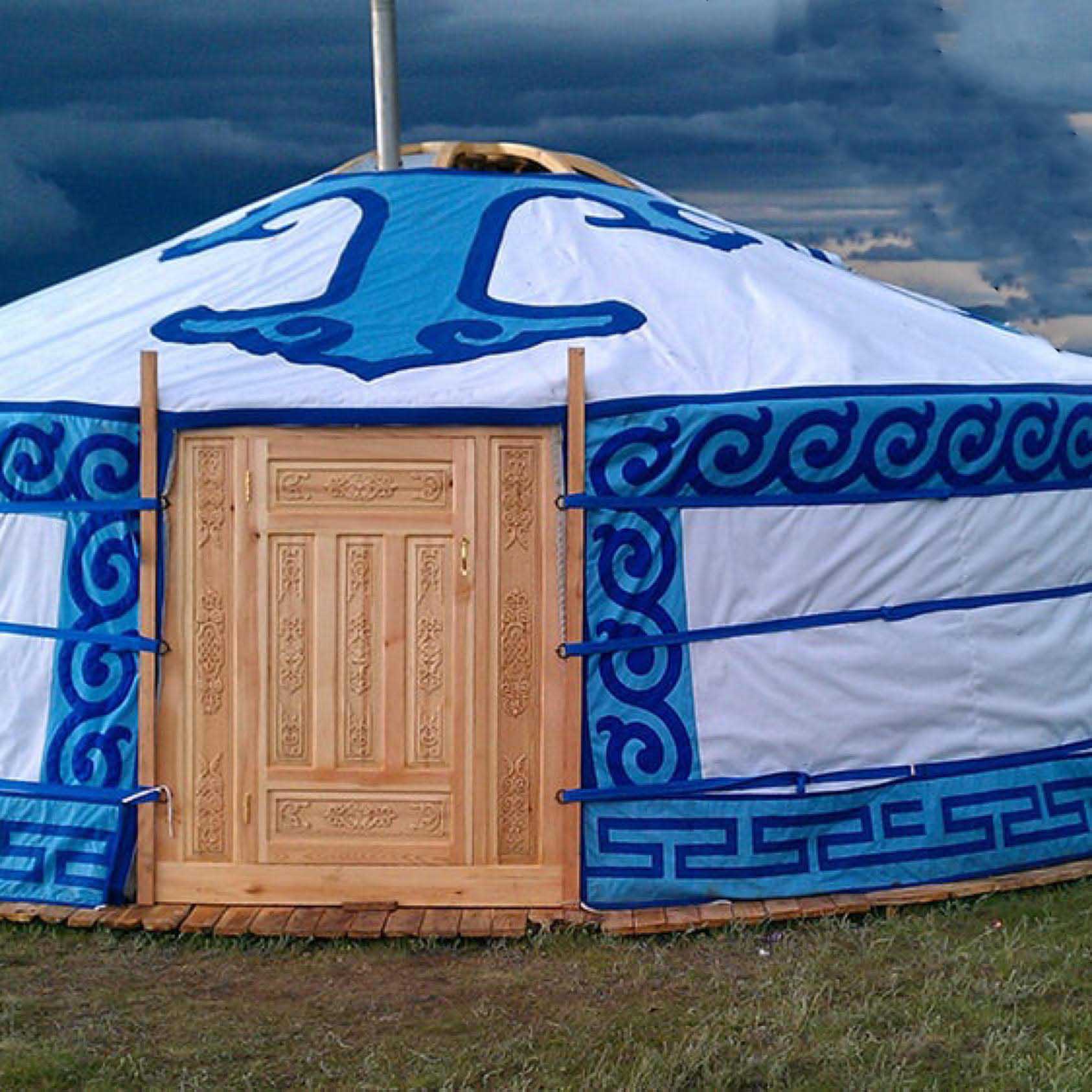
Staying in a Mongolian yurt can be a memorable way to enjoy the outdoors, but changing temperatures can make dressing a challenge. You might be warm in your shelter, but when you go outside, you feel cold. Likewise, afternoons in the sun may become chilly evenings, and it may be hard to decide on the appropriate attire to wear.
These variations may have an impact on your comfort, particularly when you are intending to spend time outdoors or overnight. Nevertheless, a four-season yurt dress code is not about carrying a different outfit in different temperatures. Rather, the correct layers of clothes can help you adapt to fluctuating conditions.
You can be ready for various weather conditions by using breathable fabrics, warm insulation, and appropriate outerwear. Below are five practical layering tips to make you feel comfortable when staying in a Mongolian yurt.
1. Choose a Moisture-Wicking Base Layer for Everyday Comfort
When preparing for a stay in a Mongolian yurt, start with a comfortable base layer. This clothing sits closest to your skin and helps manage moisture when you walk, hike, or perform other outdoor activities. If sweat stays against your body, it can make you feel cold when you stop moving.
For this reason, choose base layers made from merino wool or synthetic fabrics designed to wick moisture away from your skin. These materials help keep you comfortable without adding too much bulk.
During colder months, consider wearing a long-sleeved thermal top and matching bottoms. In warmer weather, a lightweight t-shirt and breathable trousers may be enough. Also, pack an extra base layer so you can change into dry clothing after outdoor activities. This simple step can help you stay comfortable as temperatures drop in the evening.
2. Add Insulating Layers to Retain Body Heat
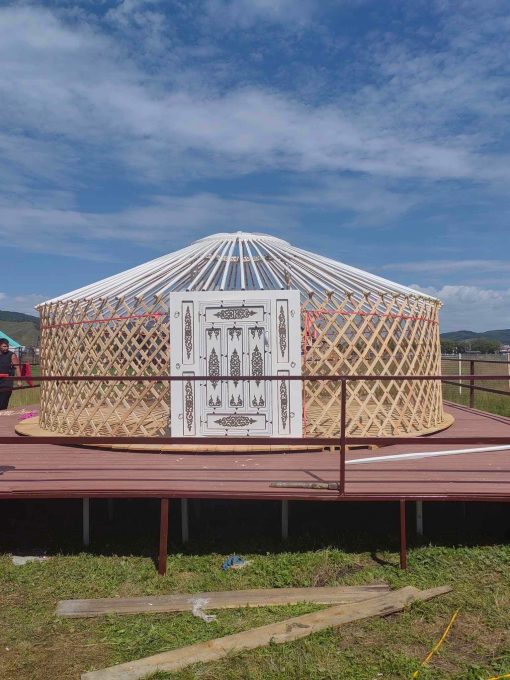
Once you have selected your base layer, add clothing that helps retain body heat. Insulating layers are particularly useful during chilly mornings, cold evenings, and winter stays.
Fleece jackets, wool sweaters, and lightweight down jackets can provide warmth without making your outfit difficult to move in. You can wear one or more layers depending on the temperature and your activity level.
For example, a fleece jacket may be suitable for a cool afternoon. However, you might need a thicker insulated jacket when spending time outside during winter.
The key is to choose layers that you can remove or add easily. If you become too warm while walking, take off one layer before you start sweating. Then, put it back on when you stop, or the temperature falls.
3. Wear Weather-Resistant Outerwear for Outdoor Activities
Your outer layer keeps you safe against wind and rain, among other outdoor elements. Although you have a yurt that can keep you warm, you might still require the right attire when visiting the neighborhood.
On windy days, a wind-resistant jacket is used to decrease heat loss. In the meantime, a waterproof shell may keep you dry in case of rain. During winter, you should wear an insulated jacket that fits snugly over your other clothing. It must also enable you to move freely.
Waterproof trousers come in handy during wet activities. Nevertheless, in dry seasons, long-lasting hiking trousers can suffice. Before packing, check the local forecast. This assists you in selecting outerwear that can be adapted to fit the anticipated environment.
4. Adjust Your Clothing Layers to Match Seasonal Temperatures
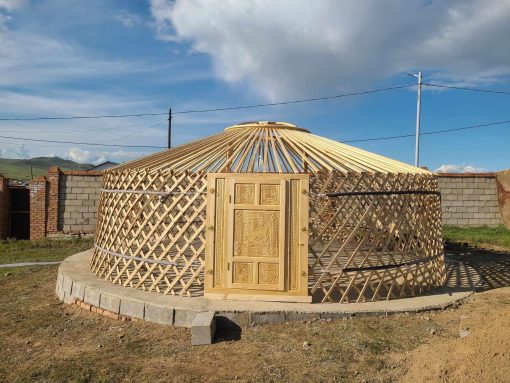
Four-season yurt dressing implies dressing in clothes that adapt to changing weather. Your activities should also be matched with your outfit.
During spring, lightweight clothing, a jacket, and a fleece should be worn. On hot days, wear lightweight clothes. Wear a light sweater in case of cool evenings.
Autumn demands added coziness. You can use a thermal top, fleece, and a weather-resistant jacket to keep yourself warm.
Thick layers are required in winter. Wear long, warm clothes, an insulated jacket, and warm trousers to keep off the cold.
Rather than wearing a single, heavy outfit, wear layers that can be easily taken off or on with a change in weather.
5. Select Warm Accessories to Protect Exposed Areas
Even when your clothing provides enough warmth, exposed areas such as your head, hands, and feet can become uncomfortable in cold weather. Therefore, pack accessories that match the season and the activities you plan to enjoy.
For colder conditions, bring a warm hat, gloves, and wool socks. These can help you stay comfortable when spending time outside or walking around the campsite.
Choose footwear based on the terrain and weather. Hiking boots may suit outdoor activities, while insulated boots can be helpful during winter stays. In warmer weather, comfortable walking shoes may be sufficient.
You should also pack indoor footwear or slippers if you prefer to change out of outdoor shoes inside your accommodation. This can help keep your feet comfortable after a long day outdoors.
Finally, consider bringing a spare pair of socks and gloves. Having dry accessories available can make a difference when the weather becomes wet or cold.
Conclusion
Dressing for a four-season Mongolian yurt becomes easier when you prepare clothing that works together. Start with a breathable base layer, add insulation, and choose outerwear that suits the weather.
Then, adjust your outfit according to the season and the activities you plan to enjoy. Warm accessories and suitable footwear can also help you stay comfortable during outdoor activities.
Before your trip, check the local forecast and pack flexible layers rather than relying on one heavy outfit. With the right preparation, you can manage changing temperatures and enjoy your yurt stay with greater comfort.

