


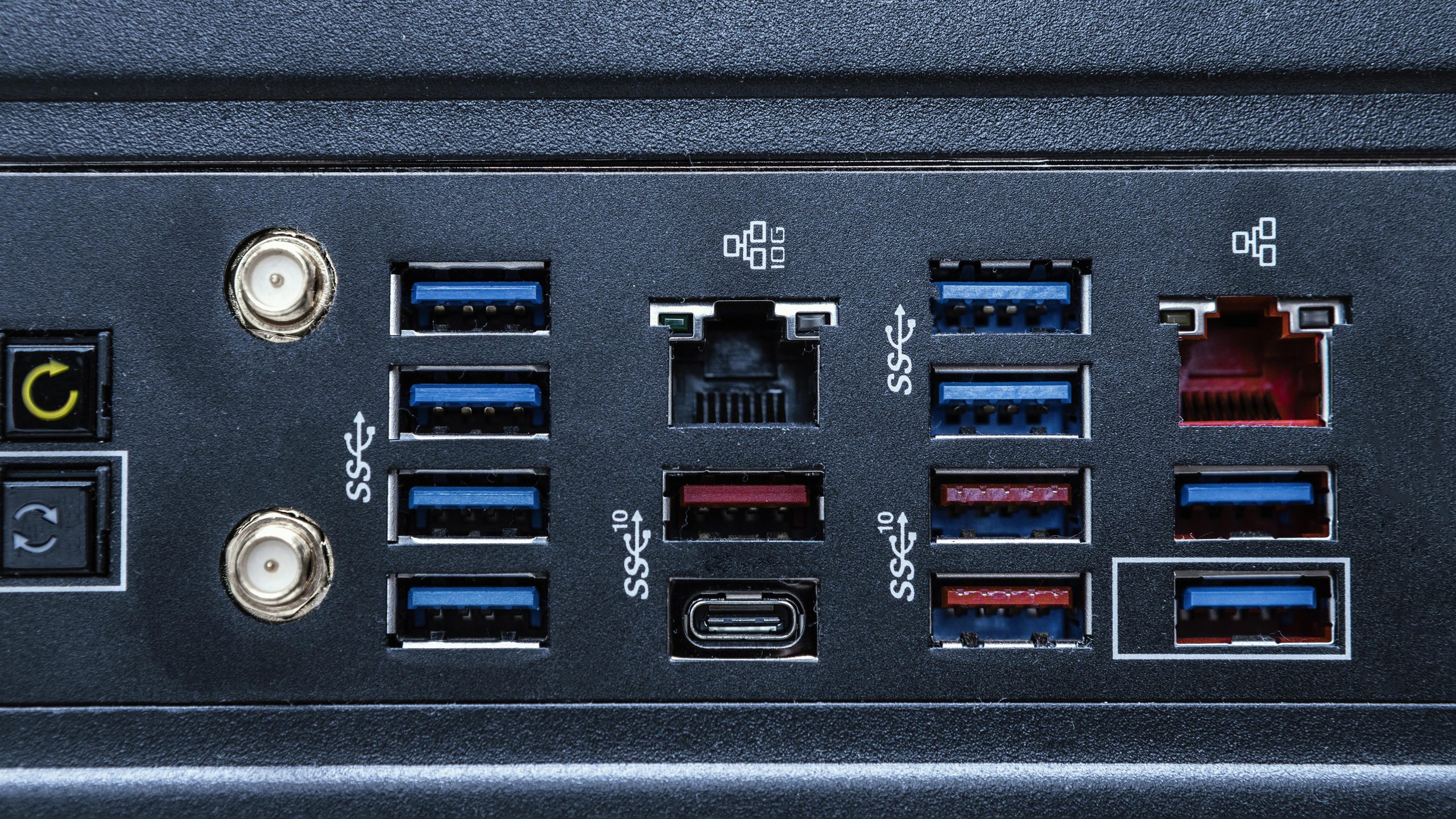
Network switches utilize special chips to transfer data between connected devices. However, different switch manufacturers use different chips, and each chip may work in a different way.
This poses a problem when you need to use the same network operating system on switches made by another vendor. Each hardware platform may require developers to modify the software or write new code. This may require additional time and complicate network maintenance.
Switch Abstraction Interface (SAI) can address this issue. It offers a standard interface through which the SONiC operating system can interact with various switching chips. This implies that the program does not have to know the internal structure of each chip. On the contrary, SAI takes care of the interaction between them.
Let’s look at five ways SAI makes SONiC hardware-independent.
1. Create a Common Interface Between SONiC and Network Hardware
SONiC is an open-source network operating system that runs on network switches. However, switches from different manufacturers may use different chips to manage data traffic. These chips can have different designs and ways of handling network tasks. Because of this, connecting the same software to different switches can be difficult.
The Switch Abstraction Interface (SAI) makes this process easier by providing a common set of instructions between SONiC and the switching hardware. Instead of talking directly to the chip, SONiC uses SAI to send requests. The hardware-specific SAI software then changes these requests into instructions that the chip can understand.
For example, when you add a network route, SONiC sends the request through SAI. The SAI software passes the required instructions to the chip so it can handle the traffic.
This common interface allows SONiC Switches to work with different supported hardware platforms without changing the entire operating system for each one.
2. Separate Network Software from Hardware-Specific Functions
Different chip makers use their own tools and software to control their hardware. These tools are often called Software Development Kits (SDKs). If a network operating system depends directly on one manufacturer’s SDK, moving it to another manufacturer’s hardware can require major software changes.
SAI helps avoid this problem by keeping the main network software separate from these hardware-specific tools. It provides common APIs for tasks such as setting up ports, managing routes, and controlling data traffic. SONiC can use these APIs without needing to know how each chip performs the task.
For example, setting up a network port follows the same general API structure. However, the SAI software for each chip handles the instructions needed by that particular hardware.
As a result, developers can reuse much of the existing network software when working with another supported chip. This also reduces the need to write separate code for common network tasks.
3. Support Multiple ASIC Vendors Through a Common Interface
Once SONiC is separated from hardware-specific functions, it becomes easier to support chips from different manufacturers. These chips are known as Application-Specific Integrated Circuits (ASICs). They help switches process data, manage traffic, and forward packets across a network.
However, not every ASIC works in the same way. Some may support certain network features, while others may have different capabilities. SAI helps manage these differences through a shared set of APIs.
Each ASIC vendor provides a SAI implementation that connects the common APIs to its own chip. This allows SONiC to send similar requests to different supported ASICs, even when their internal designs are different.
For example, you can use SONiC to set up network ports on switches with ASICs from two different vendors. The same general API can handle the request, while each vendor’s SAI software manages the hardware-specific steps.
However, this does not mean every chip supports all SONiC features. The available functions still depend on the chip and its SAI implementation.
4. Simplify Hardware Integration and Platform Development
Supporting different ASICs is one part of hardware independence. Developers must also make sure that SONiC can work with the other parts of a switch. These include network ports, fans, power supplies, and other hardware components.
SAI makes ASIC integration easier because it provides a standard way for SONiC to send instructions to the switching chip. Developers can use the same API structure instead of building a completely new way to communicate with every ASIC.
SONiC also uses a component called syncd to manage communication with the SAI software. It helps pass requests from SONiC to the hardware so that the chip can perform the required network tasks.
However, adding support for a new switch still requires other development work. Developers may need to add device drivers, hardware settings, and support for different switch components. They must also test the system to make sure everything works correctly.
Therefore, SAI reduces the work involved in connecting SONiC to different ASICs, while other platform changes help complete the integration.
5. Improve Hardware Flexibility and Long-Term Network Scalability
As businesses grow, their network needs can change. They may need faster switches, more ports, or hardware that can handle larger amounts of data. However, replacing existing switches can be difficult if the network software is closely tied to one hardware manufacturer.
SAI gives businesses more flexibility by allowing SONiC to work with different supported ASIC platforms. This means they can consider hardware from other manufacturers without replacing their entire network software setup.
For example, a business may need to move to switches with higher port speeds as its data center grows. If the new hardware supports SONiC and has a compatible SAI implementation, developers can reuse much of the existing software structure.
This can make hardware upgrades easier to plan and manage. It also gives businesses more choices when comparing switch performance, features, and costs.
However, developers still need to check hardware compatibility and test important network features before making a change. SAI makes hardware changes easier, but it does not guarantee that all switches will support the same functions.
Conclusion
The Switch Abstraction Interface makes it easier to run SONiC on different network switch platforms. It provides a common way for the operating system to communicate with different ASICs without depending on their internal designs.
This helps developers reuse software, support multiple hardware vendors, and reduce the work involved in hardware integration. It also gives businesses more flexibility when upgrading their network infrastructure.
However, hardware support and proper testing remain important. Understanding how SAI works can help you make better decisions when building or expanding a SONiC-based network.

