


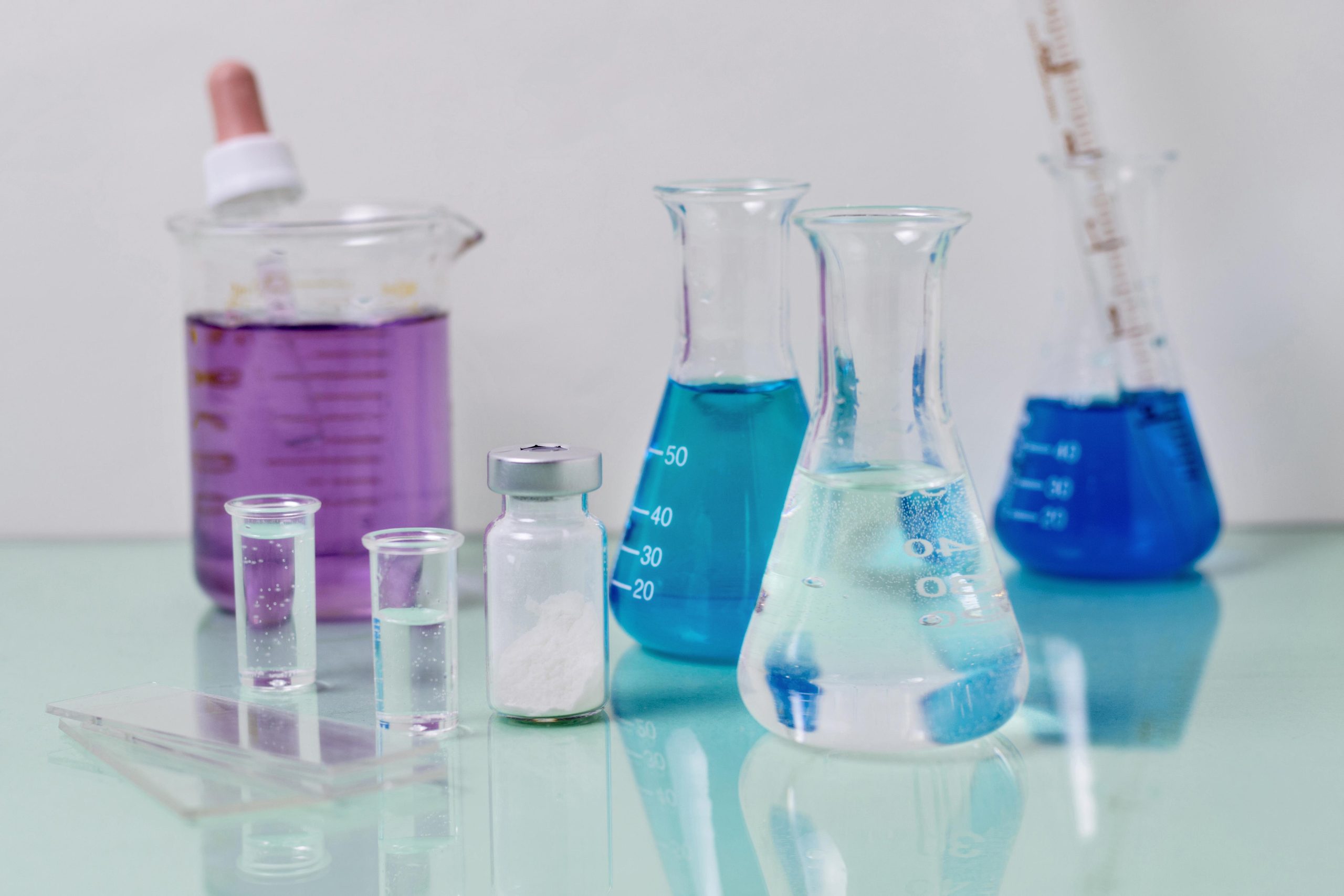
You are ready to start an experiment, but then you find that your PBS bottle is empty. So now you have to make another batch, and each step, from weighing to mixing, is a potential opportunity for error. This can slow you down and make you wonder if the buffer will work well with your samples.
The answer lies in a simple routine to follow each time it is made. With every step clear, you will know what to do next and trust the buffer you make. With the right tools and easy-to-dissolve PBS powder, the whole process can take only a few minutes.
Let’s look at each step of making PBS, from preparing a clean container to adding the final label to the bottle.
1. Gather Clean Labware and High-Quality Water First
Preparing your tools and water well is a starting point to getting your results right. Phosphate-buffered saline, or PBS buffer, is used to help maintain a stable pH during experiments. This helps keep your cells and proteins stable. Since the buffer comes into contact with your samples many times, a dirty container or poor-quality water can affect your results.
Choose a clean glass or plastic container that can hold the amount of buffer you need and still have enough space for stirring. Rinse well and always have a stir bar or clean spoon to mix the powder. It is also advisable to have a measuring cylinder or marked flask to check the final volume.
Water requires the same care as your container, so use only purified water for laboratory use. Tap water can contain minerals and small particles that can affect your buffer. After you have tools and clean water on hand, you can determine how much buffer to make.
2. Measure the Powder Amount That Matches Your Needed Volume
First, decide how much buffer you need to prepare, as the amount of powder depends on the volume you want to make. Think about all the steps where you will use it, such as washing, dilution, and cell work. Add a little extra to make sure you have enough. Once you know the total amount, choosing the right quantity of powder becomes quick and easy.
Instant PBS powder packs make this step easier because each pack is made for a fixed volume. One pack makes 1 liter of 1X working solution, so you do not need to weigh different salts or calculate the amounts yourself. You can also skip pH adjustment, which removes another step where mistakes could happen.
If you need a larger amount, use one pack for each liter of buffer you want to make. Place all the packs beside your container before opening them. This helps you check that you have enough powder for the full batch. Once the powder is ready, you can start mixing it with water.
3. Dissolve the Powder in Water with Steady Mixing Until Clear
Pour the required amount of water into your clean container. Then, carefully open the pack to avoid spilling any powder. Add the powder slowly while stirring, as this helps it spread through the water and dissolve evenly. The granules are made to dissolve easily, so they break down quickly when they come into contact with water.
Use a magnetic stir bar or a clean spoon to mix the solution. Keep stirring at a steady speed, and avoid mixing too fast, as this can create too many bubbles. Bubbles can make it harder to read the volume correctly later. A slow and gentle mixing motion is usually enough.
Continue to monitor the liquid until it is clear and there are no powdery or cloudy regions at the bottom. A clear solution indicates the powder is completely dissolved and will aid in maintaining an even buffer. Once this happens, you can adjust the solution to its final volume and get ready for the next check.
4. Check the Final Volume and Strength Before Using the Buffer
Check the liquid level at eye level, as looking from above or below can give you the wrong reading. If the volume is below your target, slowly add more water and mix again until it reaches the correct mark. This step helps make sure your solution has the correct 1X strength, which most laboratory protocols require.
The strength of the buffer depends on the amount of powder and water used. Checking the final volume helps confirm that both are in the right amounts. Since instant PBS powder packs do not need pH adjustment, you can skip that step and focus on checking the solution. Hold the container against a light and look for any particles still floating in the liquid.
Finally, check whether your experiment needs a sterile buffer, as this is often important for cell work. If sterility is required, pass the solution through a sterile filter into a clean, sterile bottle before use. For basic washing or dilution steps, a clear and properly mixed solution is usually enough.
5. Label and Store the Buffer Properly for Later Experiments
Once the buffer is ready, label the bottle right away so you always know what is inside. Write the buffer name, its strength, the date you made it, and your initials. A clear label helps everyone in the lab identify the solution and makes it easier to track a batch if any experiment gives unexpected results.
Keep the buffer in a clean bottle with a tight lid to protect it from dust and germs. Store it in a cool and clean place, and follow the storage instructions given on the pack or datasheet. Before using it again, check how the liquid looks. If you notice cloudiness or particles, prepare a fresh batch.
Following the same steps every time helps you get similar results from one batch to another. Since instant PBS powder packs do not require calculations or pH adjustment, you only need to focus on clean tools, careful mixing, and a final check. These simple habits help you prepare fresh buffer whenever you need it and use it with confidence.
Conclusion
Preparing a reliable buffer is all about following a simple routine and taking care at every step. Once you become familiar with the process, making PBS becomes quick and easy. You can prepare it without much stress, even when your lab is busy.
The next time your PBS bottle runs low, you will know exactly what to do. Follow each step carefully and enjoy having a reliable buffer ready for your experiments. This will help you focus your time and attention on the science that matters most to you and your team.

