


Sanding accessories tend to wear out sooner than you would anticipate, particularly when you are using them in a longer session or on a variety of surface profiles. A pad that has lost its cushion or friction may influence the ability to control the sanding, place undue stress on the supporting pad and cause more frequent changes. Such issues can also disrupt work when you require a regular completion.
The right interface pad can be used to control heat, pressure distribution, and to hold flat abrasives as they travel around curves and edges. SurfPrep provides interface pads in a variety of densities, thicknesses, and sizes, allowing you to choose the sanding job you need. They are designed in such a way that they protect the backup pad and assist abrasives to work.
The following are five reasons and a critical selection and care factor for why these features can help increase the service life in challenging workplaces and shops.
1. Durable Materials Withstand Regular Sanding Wear
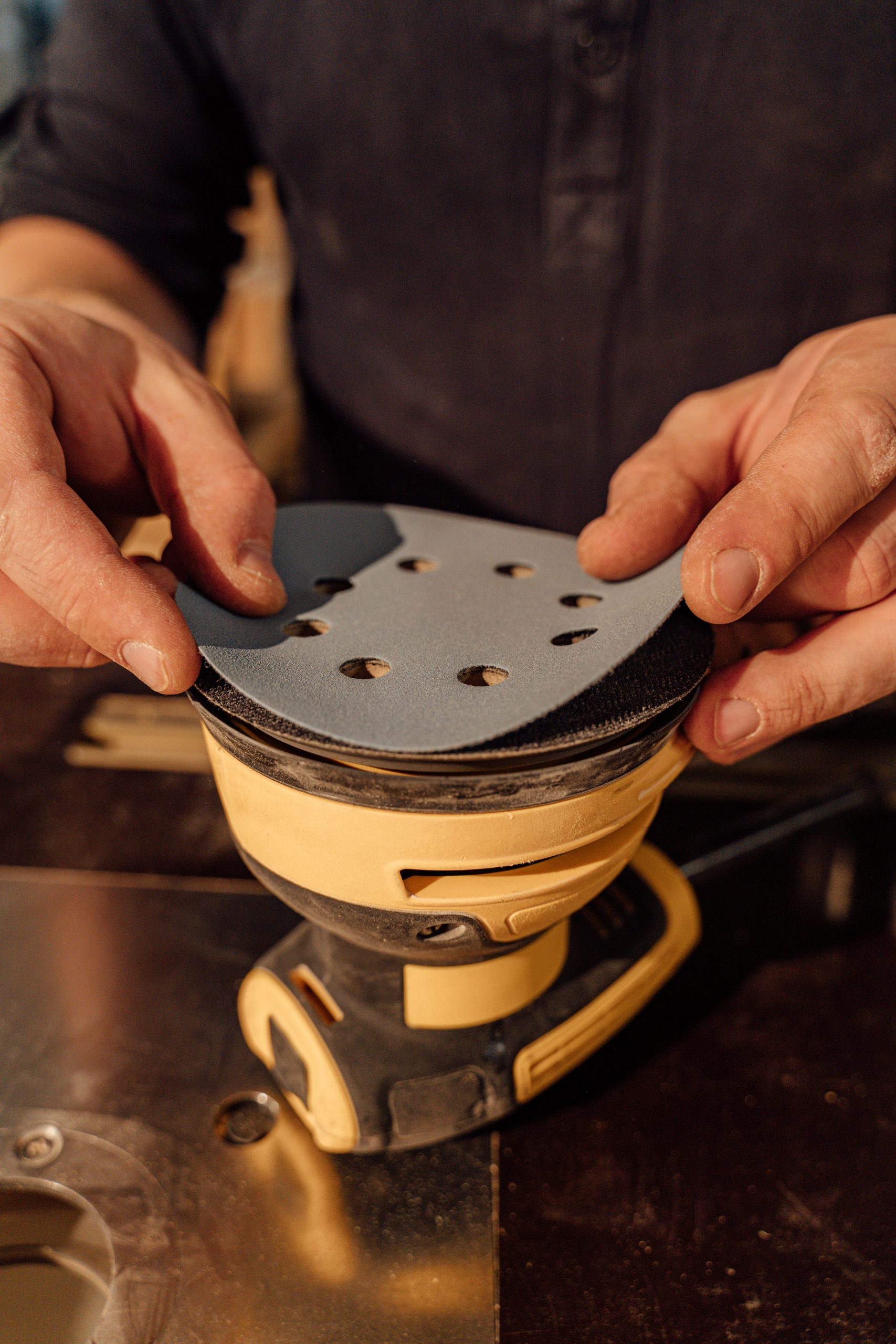
An Interface pad sits between the sander’s backup pad and a flat abrasive. It absorbs some contact and friction during sanding. Without it, the abrasive sits directly against the backup pad, exposing the hook surface to more heat and wear.
A pad designed for this role needs to keep its cushioning and shape through repeated use. SurfPrep’s interface pads are made to act as a protective layer while allowing the abrasive to flex across the work surface. This helps reduce wear on the backup pad. Still, no pad lasts forever; its lifespan depends on the surface, pressure, sanding time, and maintenance.
2. Heat Absorption Helps Protect Backup Pad Hooks

Whenever an orbital sander moves over a surface, it generates heat due to friction. When you operate flat abrasives like film, screen, or paper without an interface pad, some of that heat may escape to the backup pad. With time, its excess heat can destroy or fuse its hook-and-loop material. The abrasive might not remain firmly attached once the hooks are lost.
An interface pad provides a layer between the abrasive and the backup pad. It also absorbs part of the heat before it reaches the hooks, and this helps to prevent early damage to this section of the sander. This may help lessen the frequency of replacement of backup pads. This can aid in maintaining the setup safely. When you frequently use flat abrasives, the protective layer can help to prolong the life of the equipment.
3. Cushioning Reduces Wear During Detailed Sanding
A rigid backup pad works well on broad, flat areas, but it may not follow curves, edges, moldings, or shaped details closely. When the abrasive cannot conform to the surface, pressure may become uneven. Uneven contact can cause inconsistent sanding and faster wear in certain spots.
The cushioning in an interface pad allows the abrasive to flex around profiles and contours. This helps maintain contact across more of the surface instead of concentrating pressure on a small area. It can also dampen sander vibration and make detailed work easier to control.
SurfPrep offers soft, medium, and firm options for different surface shapes. Choosing suitable cushioning helps you avoid forcing one pad to handle tasks it was not designed for.
4. Proper Abrasive Support Helps Prevent Premature Damage
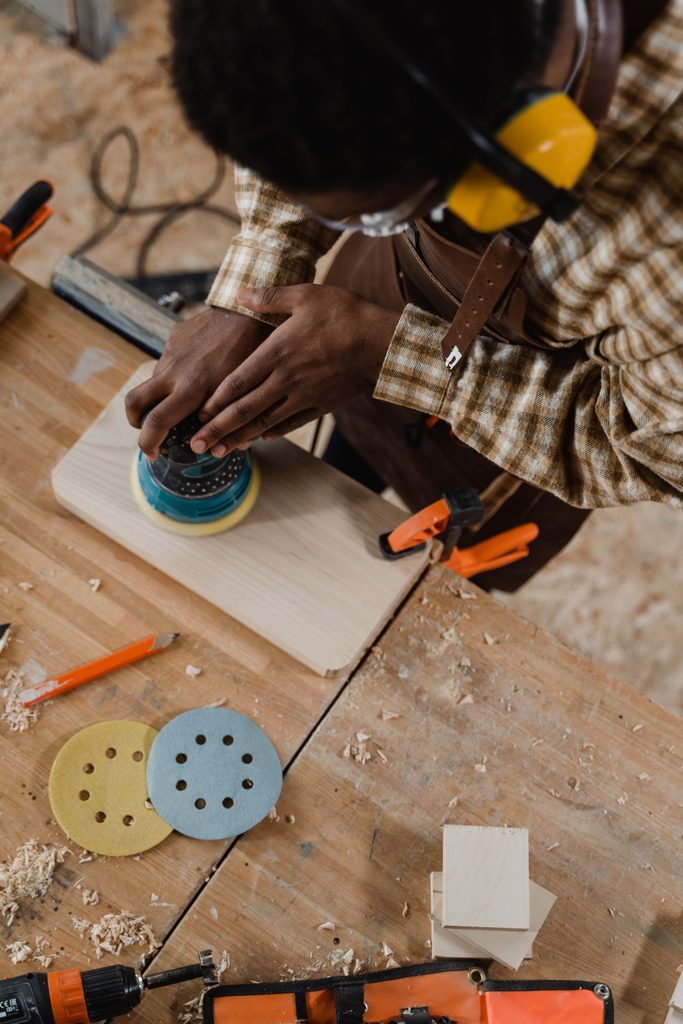
Abrasives need stable, even support to work as desired. When it is not seated level or has difficulty riding a curved surface, certain parts will wear out more quickly than the rest. The finish can also be impacted by poor contact, making you repeat passes or switch abrasives earlier than anticipated. This contributes to time and material expenses.
An interface pad is used to assist the abrasive in following the surface and spreading pressure more evenly. This can facilitate longer abrasive life by cutting down wear in discs and supporting contact on each pass. The pads are designed to deal with flat abrasives, such as film, screen, and paper.
Foam abrasives already possess inherent elasticity, and thus they do not need a supplementary interface pad. Aligning the pad with the abrasive allows your setup to operate in the desired manner.
5. Different Density Options Suit Specific Sanding Applications
Using the wrong level of cushioning can affect both sanding results and pad life. For example, a very soft pad may not provide enough support on flatter surfaces. On the other hand, a firm pad may not follow curves and detailed profiles as easily. Therefore, choosing the right density for your task is important. It helps you maintain better contact with the surface and avoid unnecessary pressure.
SurfPrep offers four interface pad options: Soft (Grey), Medium, Firm 7mm, and Firm 15mm. Each option serves a different purpose. The soft version works well for moldings, profiles, spindles, and other detailed areas.
The medium option provides balanced support for moderately curved surfaces and general finishing. Firm 7mm offers more controlled support for flatter surfaces. Meanwhile, Firm 15mm provides extra thickness and distance from the backup pad.
You can also find these pads in 3” x 4”, 5”, and 6” sizes, depending on the option. Before buying, check your sander’s size and the type of surface you plan to work on. A suitable match helps reduce unnecessary wear and supports more consistent sanding.
6. Correct Use And Maintenance Extend Pad Lifespan
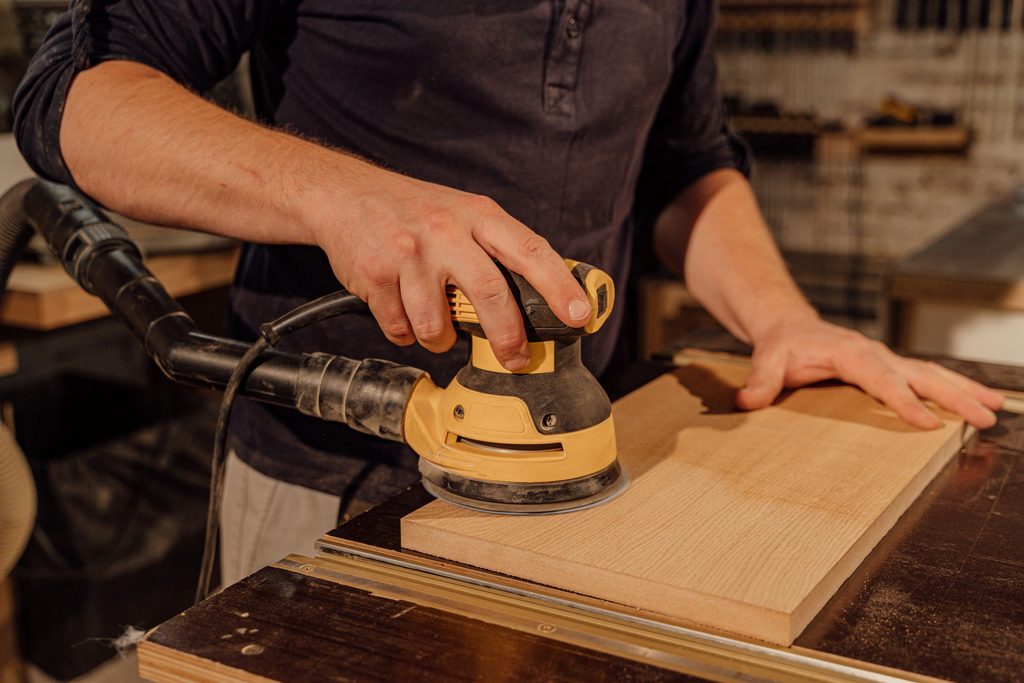
Even a well-made interface pad can wear out quickly if you do not use it properly. The wrong abrasive, too much pressure, or a damaged pad can affect its performance. Therefore, regular checks are important. They help you find signs of wear before they cause problems with your sanding equipment.
Start by using the pad with compatible flat abrasives. Also, choose a size that fits your sander. If you use interface pads often or work on demanding surfaces, consider a J-hook backup pad. SurfPrep recommends this option because it provides a tighter hold and keeps the interface pad securely in place.
For vacuum-compatible pads, check that the holes match your sander’s dust extraction openings. This allows dust to pass through without blocking the airflow. You should also remove dust from the pad and its attachment surfaces after use.
Finally, look for tears, flattened areas, or weak grip. If the pad loses its shape or no longer provides even cushioning, replace it. These simple steps can help you maintain consistent sanding performance and get more use from your interface pad.
Conclusion
Interface pads can do more than make sanding flexible. They help absorb heat, protect backup pad hooks, support abrasives, and improve contact on shaped surfaces.
These features can reduce avoidable wear across your sanding setup and help you get more consistent use from its components. To make the most of the pad, choose the right density and size for your task, use it with suitable flat abrasives, and check its condition regularly.
With the correct setup and care, an interface pad can be a practical way to protect your tools and manage replacement costs over time.

