


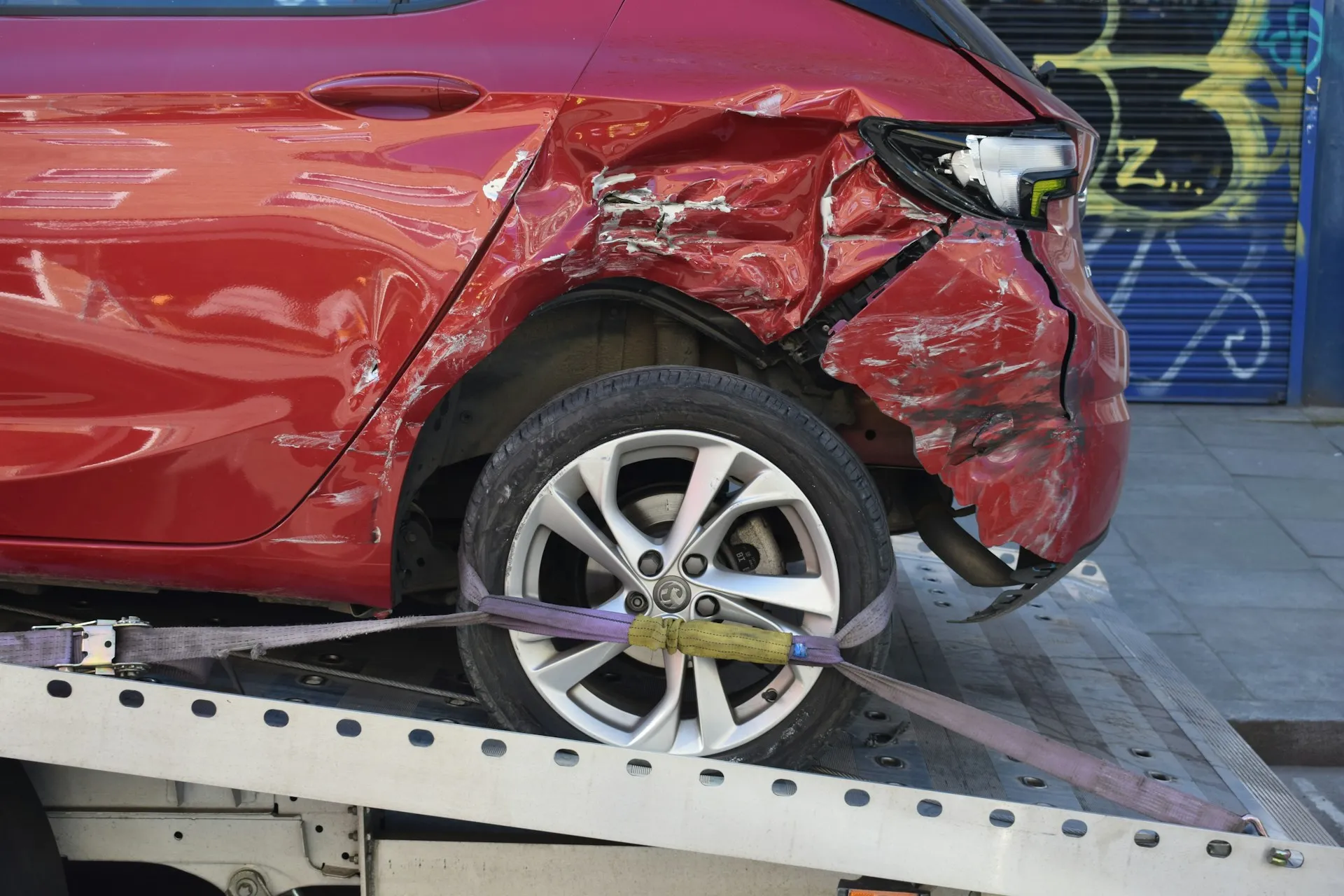
The crash is over. The police have left, the debris is swept up, and a tow truck has hauled your car away. It feels like the worst part is finally finished, and in a lot of ways it is. Your wallet might disagree, though.
Somewhere across town, your car is probably sitting in a lot behind a chain-link fence. And unless someone moves it, that parking spot definitely isn’t free. Every day it stays there can add a little more money to a bill that’s already growing.
That’s what catches so many people off guard about towing and storage fees after an accident. The charges keep ticking quietly in the background while everyone’s busy dealing with injuries, insurance calls, rental cars, and missed work, and nobody’s watching the meter run.
What Really Happens After a Tow Truck Takes Your Car
Where your car ends up depends on the situation. If you’re able to talk at the scene, you might ask the driver to take it straight to a repair shop you trust. That’s often the simplest, cheapest, and least stressful path forward.
When police arrange the tow, though, the car may go to a licensed vehicle storage facility or impound lot instead. That’s common when a car is blocking traffic, the driver is hurt and headed to the hospital, or nobody’s in shape to make decisions.
Badly damaged vehicles sometimes make several stops. A car might go from the scene to a storage lot, then to a body shop for an estimate, then to a salvage yard if it’s totaled. Each move can add another tow charge to the total.
Also read: Why HCL Domino Email Signatures Become Hard to Manage
Why Storage Charges Can Add Up So Quickly
Storage lots charge by the day, and in Texas a day generally starts and ends at midnight. That means a car dropped off late at night can rack up a full day’s charge before most people even wake up the next morning.
The daily fee might not look huge on its own. But stretch it over two, three, or four weeks while waiting on an adjuster, and it can add up to hundreds of dollars. There may also be an impoundment fee and a notification fee.
Delays are the real budget killer. A missing title, an unpaid balance, or an owner who can’t get to the lot during business hours can keep a car parked longer. Every extra day on the calendar shows up as another line on the bill.
The Surprising Complications of Insurance Claims
Insurance companies usually want to inspect a damaged car before approving repairs or declaring it a total loss. Scheduling that inspection can take several days, especially after storms or holiday weekends when adjusters are juggling a pile of claims at once.
Coverage questions slow things down even more. If fault is disputed, or if it’s unclear which policy should pay, the car may sit untouched while insurers go back and forth. Meanwhile, the storage lot keeps charging as if nothing is happening, because for them nothing is.
Total-loss evaluations add another layer. The insurer has to decide whether repairs make sense, calculate the car’s value, and handle title paperwork. Until that process wraps up and the car gets moved, the storage charges can quietly continue stacking up day after day.
How to Keep a Bad Situation From Becoming More Expensive
Start by finding out exactly where your car is. Ask the police for the name of the towing company, or search a statewide towed-vehicle database if one is available. Then call the lot and ask about its daily rates and hours.
Get every charge in writing and keep copies of all receipts. Texas regulates vehicle storage facilities through the Department of Licensing and Regulation, which caps certain fees and limits which charges a lot can add. Lots must also accept cash, debit, and credit cards.
Stay in close contact with your insurer. Ask when the inspection will happen, whether the company will move the car to a cheaper location, and who’s responsible for storage charges. If something feels off, you can file a complaint with the state regulator for review.
Conclusion
A crash doesn’t stop costing money the moment the tow truck pulls away from the curb. Storage lots charge by the day, and delays from inspections, coverage questions, and paperwork can keep a damaged car parked far longer than anyone expected or wanted.
Those fees often grow quietly while people focus on medical care, rental cars, missed work, and endless phone calls with adjusters. By the time anyone checks, a manageable bill may have ballooned into a frustrating expense that nobody planned for or budgeted for.
Acting quickly is the best defense here. Locate the car, ask about rates, keep every receipt, and push the insurer to move things along. A few phone calls in the first days after a crash can save real money and stress down the road.

