


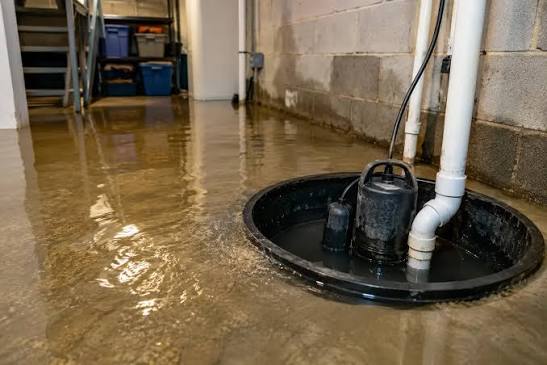
A sump pump can help protect a basement from groundwater accumulation, but its performance depends on more than the equipment itself. The location of the pump, size of the basin, discharge pipe arrangement, and electrical connections all affect how efficiently water moves away from the foundation.
Installation mistakes can cause a sump pump to run continuously, shut off too early, or struggle to remove water during heavy rainfall. Some problems remain unnoticed until a storm puts the drainage system under pressure.
Understanding common sump pump installation mistakes can help homeowners recognize potential issues, ask better questions during installation, and maintain a more dependable basement drainage system.
Why Proper Sump Pump Installation Matters
A sump pump collects water from a designated basin and pushes it through a discharge pipe toward an appropriate drainage location.
The system typically includes a sump pit, pump, water-level switch, discharge piping, and check valve. Some installations also include backup pumps, alarms, or additional drainage components.
Each part must work correctly for the system to manage incoming water.
For example, a powerful pump may still perform poorly if the discharge pipe is restricted. Similarly, a correctly sized pump may fail to operate reliably if its float switch becomes trapped against the basin wall.
Proper installation considers the complete drainage system rather than treating the pump as a standalone appliance.
1. Choosing the Wrong Sump Pump Size
One common installation mistake is selecting a sump pump based only on horsepower.
Although horsepower is an important specification, it doesn’t tell homeowners how much water a pump can move under actual operating conditions.
Pump performance also depends on the vertical distance water must travel, discharge pipe resistance, and the volume of incoming groundwater.
Problems Caused by an Undersized Pump
A pump with insufficient capacity may struggle to keep up during heavy rainfall.
The motor may run for extended periods while the water level remains unusually high.
If incoming water exceeds the pump’s discharge capacity, the sump pit may overflow.
Problems Caused by an Oversized Pump
A pump that is unnecessarily powerful for the basin and drainage arrangement may empty the pit very quickly.
Depending on the float settings and incoming water volume, this can contribute to frequent starting and stopping.
Repeated short cycles may increase wear on the motor and switch.
A qualified installer should evaluate the expected water inflow and total pumping head before recommending equipment.
2. Installing a Sump Pit That Is Too Small
The sump pit provides space for groundwater to collect before the pump activates.
If the basin is too small, the pump may not have enough room to operate correctly.
The float switch can become trapped against the basin wall, and the pump may cycle more frequently than necessary.
A small basin may also provide insufficient water storage during periods of rapid inflow.
How Basin Size Affects Pump Operation
The basin must accommodate the pump, switching mechanism, and required water levels.
Its dimensions should follow the pump manufacturer’s specifications and applicable plumbing requirements.
A properly sized basin allows the float or sensor to operate without obstruction.
It also provides enough space for water to collect between pumping cycles.
Homeowners replacing an older sump pump should confirm that the new equipment is compatible with the existing basin rather than assuming every model will fit.
3. Placing the Pump Directly on Loose Dirt or Gravel
The surface beneath a sump pump affects its stability and operation.
Placing a pump directly on loose sediment may allow debris to enter the intake or interfere with moving components.
Over time, accumulated dirt and small stones can reduce pumping efficiency or damage internal parts.
An unstable installation may also create excessive vibration.
Why a Stable Pump Base Is Important
The pump should sit securely in the basin according to the manufacturer’s installation instructions.
Some systems use a suitable pump stand or approved support arrangement to help prevent sediment from entering the intake.
The correct setup depends on the pump design and basin configuration.
Homeowners should avoid placing random materials beneath the pump without checking whether they are appropriate for the equipment.
A stable installation helps maintain proper alignment and reduces the likelihood of debris-related problems.
4. Forgetting to Install a Check Valve
A check valve is an important component in many sump pump discharge systems.
Its purpose is to prevent water remaining in the discharge pipe from flowing backward into the sump pit after the pump shuts off.
Without an appropriate check valve, water may return to the basin and cause the pump to restart.
This repeated operation can increase motor wear and electricity consumption.
Common Check Valve Installation Problems
A check valve may fail to work correctly if it is installed backward, becomes obstructed, or isn’t compatible with the discharge system.
Improper placement can also create maintenance difficulties.
Installers should follow the pump and valve manufacturers’ instructions regarding orientation, location, and any required venting or air-relief provisions.
If homeowners hear water rushing back into the basin after every pumping cycle, the check valve may need inspection.
5. Using an Improper Discharge Pipe Arrangement
The discharge pipe carries water from the sump pump to an appropriate location outside the home.
Poor pipe design can reduce pumping performance even when the pump itself is working correctly.
Long pipe runs, unnecessary bends, undersized piping, and restrictions may increase resistance to water flow.
As resistance increases, the pump may deliver less water than expected.
Why Pipe Routing Matters
Discharge piping should be sized and arranged according to the pump manufacturer’s requirements.
Installers should account for the vertical lift and friction losses created by the piping system.
The outlet should also remain accessible enough for reasonable inspection and maintenance.
A poorly supported discharge pipe may vibrate, leak, or become disconnected.
Properly secured piping helps reduce mechanical stress and supports consistent water removal.
6. Directing Discharge Water Too Close to the House
Removing water from the sump pit is only part of the job.
The discharged water must also move away from the foundation.
If the outlet releases water too close to the house, some of that water may soak into the surrounding soil and eventually return to the sump system.
This can create a cycle in which the pump repeatedly removes the same water.
How Poor Discharge Placement Affects the Basement
Repeated groundwater infiltration can increase pump operation and contribute to moisture problems around the foundation.
Water collecting near exterior walls may also place additional pressure on foundation drainage systems.
The discharge location should account for property grading, soil conditions, nearby structures, and local drainage requirements.
Homeowners should avoid directing sump pump water onto neighboring properties, sidewalks, or other unsuitable areas.
A professional can recommend an appropriate discharge arrangement for the property.
7. Ignoring Electrical Safety Requirements
Most residential sump pumps depend on electrical power.
Improper electrical connections can create safety hazards and increase the risk of pump failure.
Using an unsuitable extension cord, damaged outlet, or improperly protected electrical circuit may interfere with dependable operation.
Because sump pumps operate near water, electrical safety deserves particular attention.
Safe Electrical Installation Practices
The pump should be connected according to the manufacturer’s instructions and applicable electrical codes.
Required grounding, receptacle protection, and circuit arrangements should be verified by a qualified professional.
Avoid modifying electrical cords or bypassing protective devices.
If the pump repeatedly trips a circuit breaker, the cause should be investigated rather than repeatedly resetting the breaker.
Electrical problems can indicate damaged equipment, wiring faults, or excessive motor load.
A safe installation protects both the household and the equipment.
8. Overlooking the Float Switch Clearance
The float switch controls when the sump pump starts and stops.
During installation, the switch needs enough clearance to move through its intended operating range.
If the float touches the basin wall, discharge pipe, or another component, it may become stuck.
A stuck float can prevent the pump from activating when water rises.
It can also keep the motor running after the basin has emptied.
How Installers Can Prevent Float Problems
The pump should be positioned so the float moves freely without contacting nearby surfaces.
The activation and shutoff levels should match the equipment’s requirements.
After installation, the system should be tested with water to confirm proper switching.
Homeowners can also observe the float during routine testing, provided they can do so safely without reaching into an energized basin.
Float clearance is a relatively small installation detail, but it has a major effect on pump reliability.
9. Failing to Plan for Power Outages
Heavy storms can bring both increased groundwater and electrical outages.
A sump pump connected only to household power may stop working when electricity becomes unavailable.
If water continues entering the basin, flooding can occur even though the primary pump is otherwise in good condition.
The Value of Backup Pumping Systems
Battery backup sump pumps can provide additional water removal capacity when the primary pump loses power or becomes unavailable.
Some systems activate automatically when water reaches a higher level.
Backup equipment should be selected based on expected pumping requirements and the desired operating duration.
Battery condition, charging systems, and alarm functions also need regular maintenance.
A backup pump isn’t a substitute for proper primary pump installation, but it can provide an additional layer of protection.
10. Skipping the Final Installation Test
A sump pump installation shouldn’t be considered complete simply because the equipment is connected.
Testing confirms whether the pump activates, removes water, and shuts off correctly.
It also provides an opportunity to identify leaks, unusual noises, or discharge problems.
What a Proper Test Should Include
The installer should verify that the pump starts when water reaches the activation level.
The system should move water through the discharge pipe without visible leakage.
The float switch should shut the pump off at the appropriate water level.
The check valve should limit unwanted reverse flow.
If a backup pump or alarm is installed, those components should also be tested according to their instructions.
Testing under controlled conditions helps identify problems before the system is exposed to heavy rainfall.
How to Know If an Existing Sump Pump Was Installed Incorrectly
Some installation problems become noticeable only after the system has operated for a while.
Homeowners should pay attention to repeated short cycling, unusually loud operation, and water that remains in the basin despite the motor running.
Other warning signs include discharge water collecting near the foundation, visible pipe leaks, and a float switch that frequently becomes stuck.
These symptoms don’t always mean the original installation was incorrect.
Components can wear out, debris can accumulate, and drainage conditions can change over time.
A professional inspection can help distinguish between installation defects, maintenance problems, and normal equipment deterioration.
When Professional Sump Pump Installation Is Worth Considering
Installing or replacing a sump pump involves more than connecting a motor and discharge pipe.
The system must match the home’s groundwater conditions, basin dimensions, drainage layout, and electrical requirements.
Professional installation can be particularly valuable when a basement has experienced repeated flooding or the existing pump cannot keep up with incoming water.
A plumber can also assess whether the discharge arrangement needs improvement or whether backup equipment would be appropriate.
Homeowners exploring professional sump pump repair installation services can review the options available through The Drain Guys.
The goal is to select equipment and an installation arrangement that can manage the property’s drainage needs reliably.
Maintaining a Newly Installed Sump Pump
Even a correctly installed sump pump requires periodic maintenance.
Homeowners should inspect the basin for debris, check the discharge outlet, and test pump operation according to the manufacturer’s instructions.
Testing before periods of heavy rainfall can help identify problems while there is still time to arrange repairs.
If the system includes a battery backup, the battery and charging equipment should be checked regularly.
Keep installation records, equipment manuals, and warranty information in an accessible location.
These documents can help technicians identify the pump model and understand the original system configuration during future service visits.
Conclusion
Sump pump installation mistakes can reduce drainage performance and increase the risk of basement flooding.
Choosing the wrong pump size, using an unsuitable basin, installing discharge piping incorrectly, and overlooking float switch clearance are among the problems that can affect system reliability.
Electrical safety, appropriate water discharge, and backup power arrangements also deserve careful consideration.
Homeowners can reduce the likelihood of problems by understanding how the system works, arranging proper installation, and testing the equipment regularly.
A sump pump that is correctly sized, installed, and maintained is better prepared to manage excess groundwater when heavy rainfall threatens the home.

