


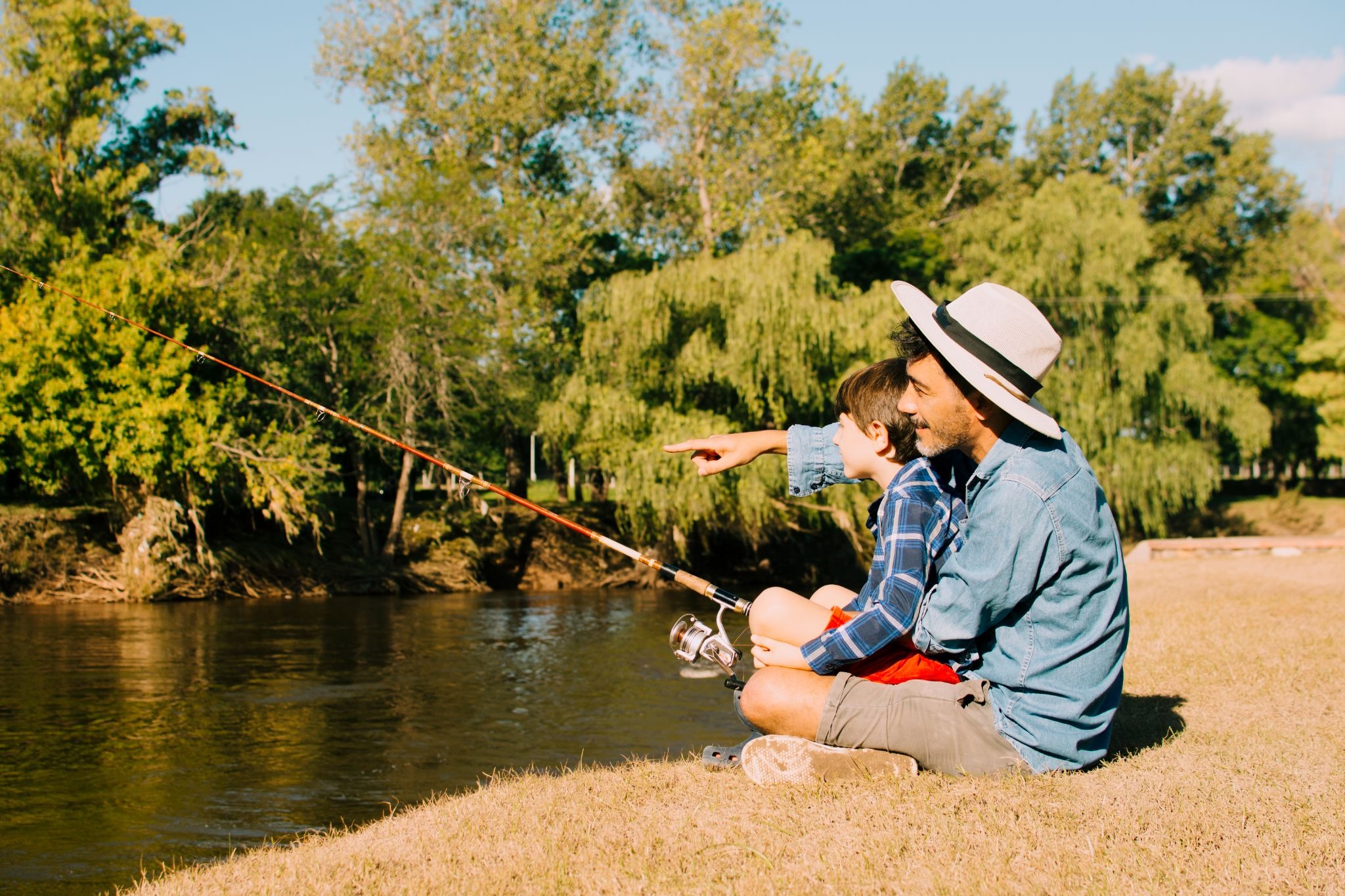
Miss the tide by an hour, bring the wrong rod, or launch from the wrong side of the bay, and your “perfect” fishing day can turn into a very sunny boat ride. Florida is generous, no doubt. You get glassy flats, mangrove tunnels, spring-fed rivers, island beaches, and fish that can make your reel sound like it’s in trouble.
But planning can get messy fast.
Fly fishing drew 8 million participants in 2024, with more than 2 million more Americans taking part than a decade earlier. So yes, you’re in good company. This guide keeps the process clear, practical, and worth your travel time.
Discover the Best Waters Florida Has to Offer
Once you picture yourself casting across clear Florida water, the next question is simple: where should you go? Your fly fishing Florida trip can look very different depending on whether you want famous flats, quiet backwaters, or a little of both.
Iconic Destinations for Fly Anglers
Florida is built for anglers who like options. The Keys are legendary for bonefish, permit, and tarpon. The Everglades offer a wilder feel, with mangrove creeks, snook, baby tarpon, and redfish spread across a huge landscape.
Mosquito Lagoon and Indian River Lagoon are favorites for skinny-water sight fishing, especially for redfish. Apalachicola and the Ten Thousand Islands feel a little more offbeat, quieter, and wonderfully alive.
Quiet Waters Worth a Look
Florida is not only about saltwater flats. Spring creeks, small lakes, and tucked-away backwaters can give you shots at bass, panfish, gar, and sometimes snook where fresh and saltwater mix.
Each region has its own personality. If you’re planning tarpon fly fishing florida waters are known for, think carefully about your ideal setting before booking. Do you want open flats, mangrove shorelines, island runs, or calm protected bays? That choice matters.
Quick Spot Comparison
| Region | Best Feel | Common Targets | Good Fit For |
| Florida Keys | Clear flats and big-name fish | Tarpon, bonefish, permit | Bucket-list anglers |
| Everglades | Wild mangroves | Snook, redfish, tarpon | Adventure-minded anglers |
| Mosquito Lagoon | Skinny-water sight fishing | Redfish, seatrout | Patient casters |
| Southwest Florida | Bays, beaches, islands | Snook, tarpon, redfish | Mixed-skill groups |
Once you’ve picked a region, timing and preparation start doing the heavy lifting.
Plan Your Trip for Better Fishing
Choosing the water is step one. Now comes the part that saves your day: season, weather, and gear. Smart planning makes Florida fishing trips smoother, safer, and a lot more fun.
Choose the Right Season
Spring and early summer often bring the best tarpon action, especially in the Keys and Southwest Florida. Cooler months can be excellent for redfish, trout, and snook when the water is clean, and the weather behaves.
Summer can fish well, but heat and storms build fast. Fall is easy to overlook, yet it can be fantastic once crowds thin and bait starts moving again.
Pack for Heat, Salt, and Sun
Bring a fast saltwater rod, sealed reel, tropical line, and leaders suited to your target species. Clousers, shrimp patterns, crab flies, baitfish patterns, and tarpon toads cover plenty of situations.
Sun protection is not optional. A hooded shirt, buff, hat, reef-safe sunscreen, and polarized glasses protect your skin, eyes, and mood. Nobody casts well when they’re cooked.
Match Gear to Water Type
Saltwater is hard on equipment, so rinse everything at the end of the day. Freshwater lets you go lighter, but organization still matters. Carry backup leaders and keep flies sorted so you’re ready when fish appear.
With your gear handled, you can shape the trip around your style.
Build Florida Fishing Trips That Fit Your Style
Now decide how much help you want. Some anglers love figuring it out alone. Others would rather hire a Florida fly fishing guide and skip the guesswork.
DIY Versus Guided Days
DIY fishing gives you freedom and usually costs less. You can explore, change plans, and move at your own pace. The downside? Florida tides, wind, access points, and protected areas can be confusing if you’re new.
Guided trips shorten that learning curve. Boatsetter reported fishing bookings increased by 22% in 2024 versus 2023, with pilothouse and walkaround boats both seeing a 42% increase in bookings. Clearly, anglers value easy access to fishing-ready boats.
Pick a Package That Feels Right
A quick weekend might include one guided morning and one casual evening on your own. A full fly fishing vacation Florida itinerary could combine several regions, a family beach day, and one serious trophy-focused charter.
Custom trips are great for mixed groups. Maybe one person wants dawn tarpon shots, while someone else wants a calm bay and patient instruction. That’s normal. Build around it.
Set Real Expectations
A good guide should not promise fish in your hands. What they can promise is honest effort, safe handling, smart timing, and real chances at the species you came to see.
Once the framework is set, it’s time to talk about Florida’s most famous prize.
The Complete Guide to Tarpon on Fly
Tarpon have a way of taking over the plan. They’re strong, moody, dramatic, and unforgettable. Hook one, and you’ll understand the obsession in about three seconds.
Time the Trip Well
Tarpon move differently across Florida. Some areas hold resident fish, while others see heavier schools during warmer periods.
The Keys, Boca Grande region, Everglades edges, and Southwest Florida beaches all have important windows. Local knowledge helps because wind, clarity, and bait can change overnight.
Use Smart Tactics
Accuracy beats distance. Put the fly where the fish can see it, keep the boat quiet, and listen closely if your guide is calling the strip.
Common patterns imitate baitfish, worms, and crabs. Still, the perfect fly won’t save a cast that lands like a dropped sandwich.
Handle Fish Responsibly
Keep fights as short as practical and avoid dragging big fish over dry surfaces. Follow Florida rules, buy the proper license, and take release advice seriously.
Those same local habits help with every other species too.
Insider Tips from Florida Guides
The best Florida fly fishing guide doesn’t just know where fish were yesterday. They understand why fish may move today.
Target Trophy Species
For snook, place casts tight to mangroves, docks, beaches, and current seams. Redfish often tail or push water, so quiet feet and soft presentations matter.
Bonefish and permit ask for restraint. Too much false casting, boat noise, or one rushed strip can ruin the shot.
Read Weather and Tides
A falling tide can pull fish from mangroves into channels. A clean incoming tide may bring cooler water, bait, and better visibility across a flat.
Wind is not always the enemy. Sometimes it hides noise and helps a skiff drift naturally. Of course, it will also test your casting.
Listen More Than You Cast
Guides spot tiny clues: nervous water, dipping birds, current seams, or a puff of mud. Ask questions. If your cast feels off, say so. That honesty helps.
And remember, the trip can be great even when you’re off the boat.
Make the Vacation Bigger Than the Boat
A strong fly fishing vacation Florida plan leaves room for comfort, meals, and a few non-fishing wins.
Stay Close to the Action
Waterfront inns, island cottages, eco-lodges, and beach resorts can reduce drive time and make early starts easier. In Sanibel, Captiva, Naples, Islamorada, and Key West, location matters.
Look for secure rod storage, freezer space for ice packs, and easy parking. Before sunrise, those little details feel huge.
Eat Local and Slow Down
Florida seafood belongs in the plan. Grouper sandwiches, stone crab in season, shrimp baskets, Cuban coffee, and dockside dinners all fit the rhythm.
Add kayaking, shelling, birding, or a sunset cruise if your group needs variety. Not every great memory needs a bent rod.
Use Apps and Tools Without Overdoing It
Tech can help, as long as it doesn’t take over the day.
Helpful Apps for Anglers
Tide apps, marine weather tools, mapping apps, and species ID guides are useful. Save launch points offline because service gets spotty near mangroves and barrier islands.
Fishing log apps help too. Track wind, tide, water color, and fly choice so tomorrow’s plan is not just a guess.
Booking and Permits
Use official state resources for licenses and rules, not old forum screenshots. Confirm departure points, cancellation policies, pickup times, and included tackle before the trip.
Next, think about who’s coming with you.
Fly Fishing Ideas for Every Angler
A solo angler, couple, family, and larger group all need different pacing. Build the trip around the people, not just the fish.
Families and First-Timers
Protected bays, short outings, and patient instruction work best for beginners and kids. A calm morning with seatrout or small snook can beat a long trophy hunt.
Couples, Solo Anglers, and Groups
Couples might pair sunrise fishing with brunch and beach time. Solo anglers should share float plans, watch weather, and avoid risky wading.
Groups do best with clear expectations. Split skill levels when needed so beginners are comfortable and experienced anglers still get real shots.
Pre-Trip Prep and Final Checklist
Now handle the unglamorous stuff. It’s not exciting, but it prevents parking-lot panic.
Licenses and Rules
Florida fishing rules vary by species, area, and season. Check current state regulations before you fish, especially for tarpon handling, snook closures, protected areas, and size limits.
Travel and Transport
Major airports near Miami, Fort Myers, Tampa, Orlando, and Jacksonville make access easy. If you fly with rods, use a hard tube and check airline rules before leaving home.
Last-Minute Checks
Pack rain gear, water, snacks, medicine, dry clothes, and backup sunglasses. If weather turns ugly, shift to canals, springs, seafood stops, or a casting lesson.
Current Trends and Fresh Ideas in Florida Fly Fishing
Newer gear and travel habits are making trips easier, cleaner, and more welcoming.
Smarter Gear and Cleaner Travel
Salt-friendly reels, better sun gloves, lighter skiffs, and durable tropical lines make long days more comfortable. More anglers are also choosing eco-minded lodges, reusable bottles, and guides who care about habitat.
Broader Fishing Communities
Women-focused trips, youth clinics, adaptive fishing programs, and diverse angling groups are growing across Florida. Social groups can help visitors learn etiquette, meet partners, and find safe access tips.
Final Thoughts on Your Florida Fly Fishing Adventure
A great Florida fly fishing trip starts with smart choices. Pick the right region, match the season to your target species, pack for sun and salt, and decide whether DIY or guided fishing fits your goals. Add good lodging, local food, clear rules, and a backup plan, and everything feels easier.
Whether you’re chasing tarpon, snook, redfish, or your first clean cast, Florida gives you plenty of room to create a fishing story worth retelling. Your next cast deserves a real plan.
Common Questions About Fly Fishing in Florida
Before booking, most anglers have a few practical questions.
Where is the best fly fishing in Florida?
The Keys, Everglades, Mosquito Lagoon, Indian River Lagoon, and Southwest Florida are top picks. The best choice depends on target species, season, budget, and whether you prefer clear flats or mangrove backcountry.
What colors not to wear when fly fishing?
Avoid bright white, neon colors, and shiny clothing when sight-fishing shallow water. They can flash in sunlight and spook fish. Muted blues, tans, grays, and greens usually blend better.
Can beginners book guided trips or lessons?
Yes. Tell the guide your skill level before the date. Ask for casting help, simple targets, and calm water. A teaching-focused trip can be more valuable than chasing trophies.

