


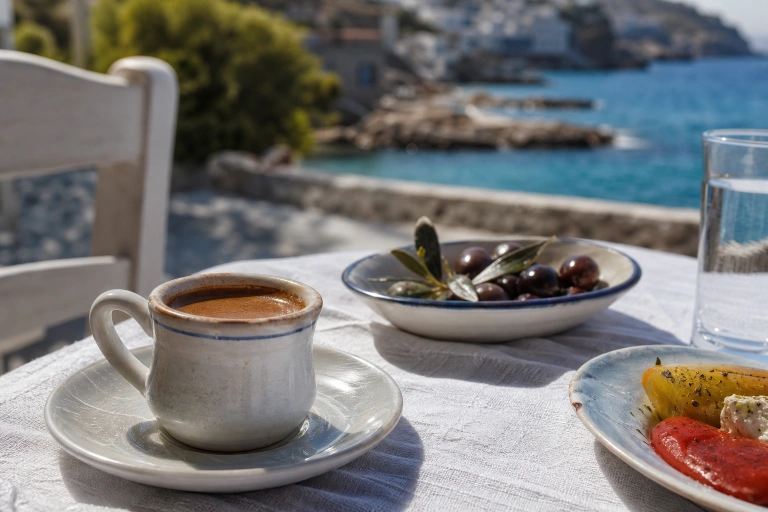
A memorable trip to Greece is rarely about seeing as many islands as possible. It is about pairing the energy of a city with time beside the sea, then leaving enough room for a long lunch, a village walk, or an unplanned swim. Travelers considering Greece tour packages can use that principle to create an itinerary that feels personal rather than rushed.
Greece rewards contrast. Athens offers archaeological sites, museums, markets, and neighborhood life, while the mainland and islands add mountain roads, fishing harbors, beaches, farms, and small communities with their own rhythms. A balanced route helps visitors experience those differences without turning every second day into a transfer day.
Table of Contents
Why A Balanced Greece Trip Works
There is far more to Greece than a beach holiday. A well-shaped visit can include ancient history in Athens, local food in a mainland town, swimming on an island, and a quieter coastal stay where the agenda is simply coffee, sea air, and dinner. Athens is a practical starting point because it is the country’s main international gateway, and its historic center can anchor a first visit before the trip slows down.
Fewer stops usually make a trip better. Each hotel change involves packing, checking out, reaching a port or airport, waiting, and finding the next accommodation. Reducing those transitions gives travelers more time to understand a place and spend money in its cafés, tavernas, markets, and small businesses.
Choose The Right Travel Season
The best season depends on whether the priority is sightseeing, swimming, hiking, or nightlife.
- April to May: A strong choice for city walks, archaeological sites, and greener mainland landscapes.
- June: A useful middle ground for warm weather, open seasonal businesses, and beach time before peak summer demand.
- July to August: Best for hot weather and a classic summer-island atmosphere, but popular islands and ferries require earlier planning.
- September to October: Often suits travelers seeking warm sea temperatures and more comfortable conditions for daytime exploration.
- November to March: Better for Athens, museums, food, and mainland road trips than for a traditional island-hopping holiday.
Services on smaller islands can be more limited outside the core season, so check ferry schedules, accommodation availability, and restaurant opening dates before committing to a route.
Build A Route That Saves Time
Start with the arrival airport, then work outward in one logical direction. Athens, the Peloponnese, and nearby islands can fit together naturally. Crete deserves enough time to stand on its own. The Cyclades work best when travelers choose islands that share practical connections rather than drawing lines across the entire Aegean.
Greece has thousands of islands and islets, but only a portion are inhabited, so the point is not to collect destinations. The country’s distinct island groups make it easier to focus on a single area and understand its landscape, cuisine, architecture, and ferry network.
Mix Famous Places With Quieter Stops
Use A Three-Part Destination Mix
- One major city: Spend two or three nights in Athens for museums, neighborhoods, food, and major historic sites.
- One signature island: Choose based on your priority, whether that is dramatic views, beaches, nightlife, hiking, or family-friendly villages.
- One slower stop: Add a smaller island, a Peloponnese coastal town, or a mainland village where you can settle in for several nights.
Famous sights still belong in a balanced trip. For example, the Acropolis is central to a stay in Athens and is part of the UNESCO-listed Acropolis of Athens. The key is to visit landmark areas early in the day, then balance them with less structured time elsewhere.
Sample Itinerary Ideas
Seven-Day First Visit
- Three nights in Athens.
- Three nights on one nearby island or coastal destination.
- One final night near the departure point if connections require it.
Ten-Day Culture And Coast Trip
- Three nights in Athens.
- Two nights in a mainland historic town.
- Four nights on one island.
- One flexible night for rest or travel.
Fourteen-Day Slow Greece Trip
- Three nights in Athens or Thessaloniki.
- Four nights in a mainland region.
- Five nights on one larger island.
- Two nights in a smaller coastal destination.
Plan Ferries, Flights, And Ground Travel
Book popular ferry routes early for July and August, but always examine the complete journey rather than the sailing time alone. Include the ride to the port, luggage handling, the transfer from the arrival port, and check-in time at the next hotel. A rental car can be valuable in rural mainland areas and on larger islands, while public transportation is often easier in dense city centers.
Keep a buffer before an international flight. Avoid placing a long ferry connection on the same day as a nonrefundable departure whenever possible. One flexible afternoon or overnight can protect the entire itinerary if weather, traffic, or schedules change.
Also Read :How to Get a Designer Bedroom Without Hiring One
Leave Room For Slow Travel
Plan one primary activity each morning, then let the afternoon remain open. That might mean swimming, browsing a market, taking a shaded walk, or lingering over a meal. In high summer, outdoor sightseeing and hiking are generally more pleasant earlier in the day, while midday can be reserved for rest.
A practical test is simple: if adding another island means losing two half-days to travel, stay where you are. A beach walk, a small museum, or dinner in a family-run taverna often becomes the part of the trip people remember most clearly.
Set A Realistic Greece Travel Budget
Build the budget around the full cost of movement and comfort, not only the nightly hotel rate. Include:
- International airfare and baggage fees.
- Hotels or vacation rentals.
- Ferries, domestic flights, and port transfers.
- Car rental, fuel, parking, or local transit.
- Meals, drinks, entry fees, and guided visits.
- Travel insurance and an emergency reserve.
Popular islands in peak summer can cost more, while shoulder-season dates and mainland stays may offer a broader range of accommodation. Compare location carefully, since a cheaper room far from a port, beach, or town center can increase daily transportation costs.
Avoid Common Planning Mistakes
- Trying to visit three or four islands in one week.
- Assuming every ferry route runs daily throughout the year.
- Booking accommodation without checking the distance from the port or town.
- Scheduling long outdoor activities in the hottest part of the day.
- Leaving no room for delays, rest, or spontaneous plans.
- Choosing destinations only because they look familiar on social media.
Frequently Asked Questions
Should Travelers Visit The Mainland Or The Islands First?
Start on the mainland if historic sightseeing is a priority and you want to recover from long-haul travel before managing ferry schedules. Start on an island if a quieter beginning matters most and the flight or ferry connections are straightforward.
Is Greece Worth Visiting Outside Summer?
Yes. Spring and fall are especially suitable for walking, food, history, and city breaks. Winter can be rewarding for mainland travel, although many seasonal island services are reduced.
Is Island-Hopping Difficult?
It can be simple when destinations are close together and connected directly. It becomes complicated when travelers mix distant island groups or rely on several tight connections. Staying within one region is the easiest solution.
How Many Days Are Enough For Greece?
Seven days can work well for one city and one island. Ten to fourteen days allow a more relaxed combination of mainland culture, coastal time, and an island stay.
Conclusion
The strongest Greece itinerary does not attempt to cover the whole country. Choose a few places that connect well, combine a headline destination with a quieter coastal stop, and protect time for the unplanned moments that give a trip its sense of place.

