


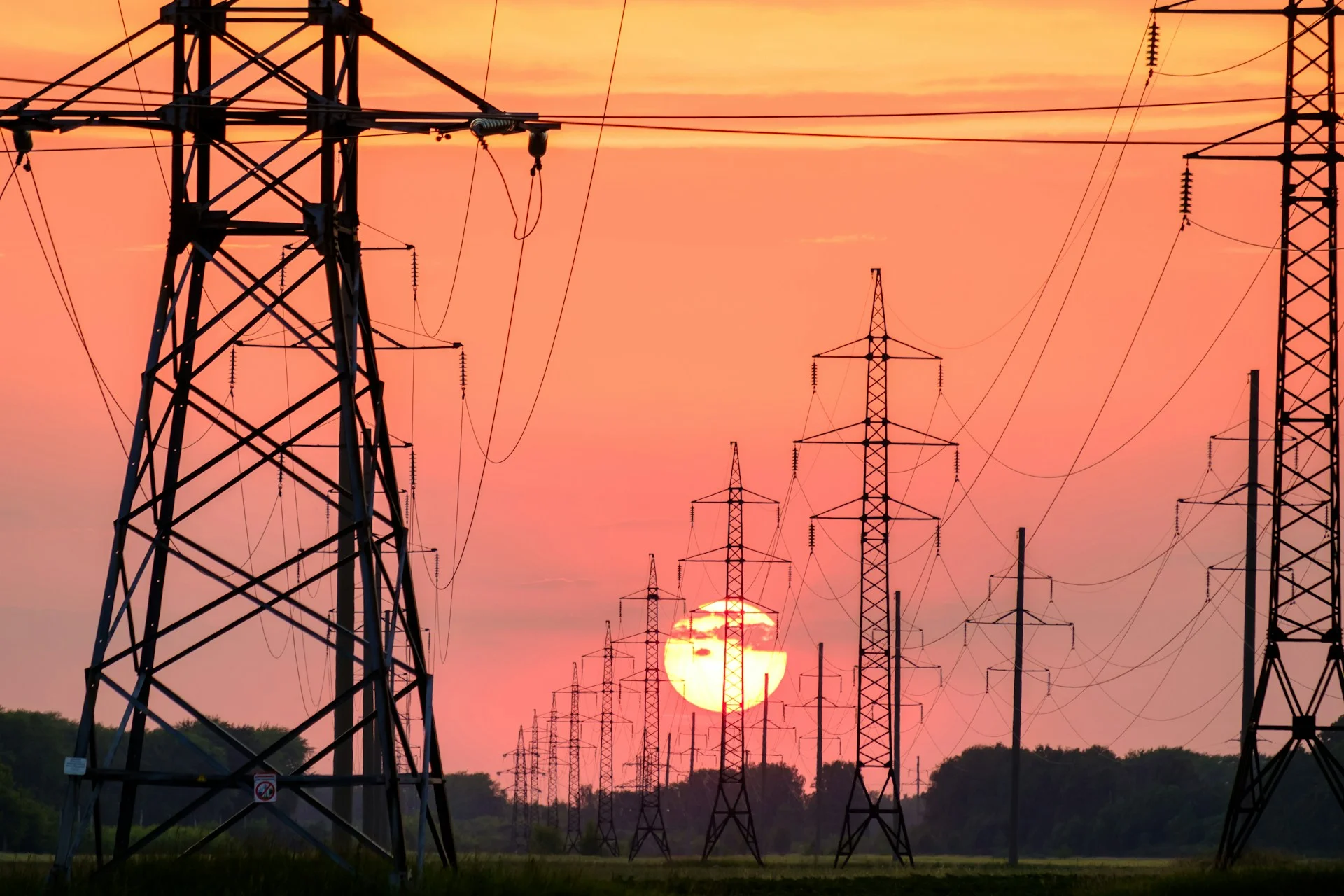
Electric utilities now manage a two-way system in which power, operational data and customer demand can shift by the minute. Solar installations, electric vehicles, battery storage and connected equipment have created operating conditions that older utility systems were never designed to handle.
Agile architecture gives utilities a practical way to respond. Modular applications, shared data standards and flexible cloud or hybrid infrastructure allow teams to update individual capabilities without destabilizing the entire organization. This approach supports faster decisions while protecting the reliability customers expect from essential services.
Table of Contents
The Changing Face of Utility Infrastructure
Traditional utility infrastructure followed a predictable model. A limited number of large facilities supplied electricity through transmission and distribution networks to customers who consumed it. Operators could forecast demand using historical patterns and adjust centralized generation accordingly.
That model has become more complex. Homes and businesses may now produce electricity, store it and send it back to the grid. Heat waves can cause sharp demand spikes while severe weather may disrupt physical assets in several places at once. The future of the grid will also involve millions of connected resources that must exchange timely information with utilities and energy markets.
A flexible technology foundation helps coordinate these moving parts. For example, an application programming interface can send rooftop solar output to a forecasting platform without requiring a custom connection for every installation. A separate outage management service can combine field reports, sensor alerts and customer notifications. If the utility replaces one component later, standardized interfaces reduce the risk of disrupting other systems.
Utilities can begin by mapping the dependencies between operational technology, customer platforms and enterprise software. That map should identify systems with limited integration options, duplicate data sources and manual handoffs. Teams can then divide large platforms into manageable services, starting with areas where delays create measurable costs.
The U.S. The Department of Energy’s overview of grid modernization highlights communications, sensing, control systems and analytics as key parts of a smarter network. An agile architecture connects these capabilities while leaving room for new technology and changing regulatory requirements.
Managing Unprecedented Data Loads
A modern grid produces information at a scale that can overwhelm conventional databases and overnight processing routines. Smart meters may report at 15-minute intervals, while equipment sensors can generate readings every few seconds. Weather feeds, electric vehicle charging activity and distributed energy resources add more volume and variety. At the household level, smart home technology for monitoring and managing energy use offers another example of how connected devices can help improve energy efficiency.
Utilities need to separate data according to its purpose and required response time. A voltage anomaly may demand an immediate alert, while a monthly billing trend can wait for scheduled analysis. Sending every record through the same processing pipeline increases cost and can slow urgent decisions.
A practical architecture usually includes edge processing for local actions, streaming systems for time-sensitive events and centralized platforms for historical analysis. Consider a substation sensor that detects rising equipment temperature. An edge device can confirm the reading and issue a local warning within seconds. The central analytics platform can then compare that event with maintenance records and similar assets across the network.
Data governance must grow alongside processing capacity. Give each critical dataset a named owner, a defined retention period and clear quality rules. Shared identifiers for customers, meters and physical assets help prevent conflicting records from spreading between systems. Encryption, access controls and detailed audit logs should cover data in transit and at rest.
Large computing facilities illustrate how data and electricity management increasingly overlap. Research on data centers as grid assets explains how flexible demand, backup resources and coordination with utilities can support grid operations. Capturing that value depends on fast, trustworthy data exchange between participants.
Modernizing Core Enterprise Systems
Grid operations rely on enterprise systems that manage finance, procurement, asset maintenance, workforce scheduling and regulatory reporting. Many utilities have customized these platforms over decades. Those modifications may support necessary processes, but they can also make upgrades slow, expensive and risky.
Modernization should start with process discovery. Document how a maintenance request moves from a sensor alert to inspection, parts ordering, repair and financial reporting. This work often reveals spreadsheet-based approvals, repeated data entry and custom code that solves a problem now covered by standard software.
Utilities should then decide which processes truly create operational value. Standard functions usually work well for purchasing, accounting and common human resources tasks. Specialized configuration may still be necessary for utility asset structures, field service rules or regulatory controls. Keeping those decisions explicit reduces unnecessary customization.
Organizations planning an implementation, upgrade or long-term support model may use SAP consulting services to address architecture, functional configuration, development, security and platform administration across the system lifecycle. Outside expertise can be particularly useful when internal teams must maintain daily operations while preparing data, testing integrations and planning a phased release.
Treat data migration as an operational program instead of a final technical task. Teams should remove duplicate suppliers, correct incomplete asset records and agree on common definitions before information enters the new platform. A pilot can then test one business unit or process from end to end. Track transaction errors, processing time and support requests during that pilot, then use the findings to shape later releases.
Balancing Uptime with Continuous Innovation
A utility can’t suspend essential operations each time it introduces new software. Architecture and delivery practices must allow improvement while maintaining stable service. This calls for controlled releases, realistic testing and clear recovery procedures.
Start by separating systems according to operational risk. Customer communication tools may tolerate frequent updates, while control-related platforms require tighter review and longer validation cycles. Shared release standards can still apply, but the testing depth and approval process should reflect the effect of failure.
Digital twins and isolated test environments allow teams to model changes without exposing live operations. Before deploying a new forecasting service, for example, a utility can replay several months of weather and demand data. Engineers can compare its results with the current model and test how it behaves when readings arrive late or contain errors.
Incremental deployment also limits disruption. A team might release a new mobile work-order feature to 25 field employees, review performance for two weeks and then expand it in stages. Automated monitoring should watch response times, failed transactions and unusual access patterns. Every release needs a documented rollback trigger and an assigned decision-maker who can act quickly.
Technology alone won’t create resilience. The grid reliability and resilience discussion includes transmission capacity, storage, efficiency and planning alongside digital improvements. Architecture supports that wider effort by giving operators accurate information and dependable tools during both routine work and emergency conditions.
Continuous innovation works best when teams measure operational outcomes. Restoration time, truck rolls avoided, billing corrections and maintenance delays reveal more than the number of features released. Those measures keep modernization tied to service quality and customer cost.
Agile architecture gives utilities a controlled way to change systems that can never simply be switched off. The strongest programs establish clear boundaries between components, improve data quality before migration and test each release against real operating conditions. When the next demand surge or equipment alert arrives, that groundwork determines how quickly teams can see the issue and respond without causing new disruptions.

