


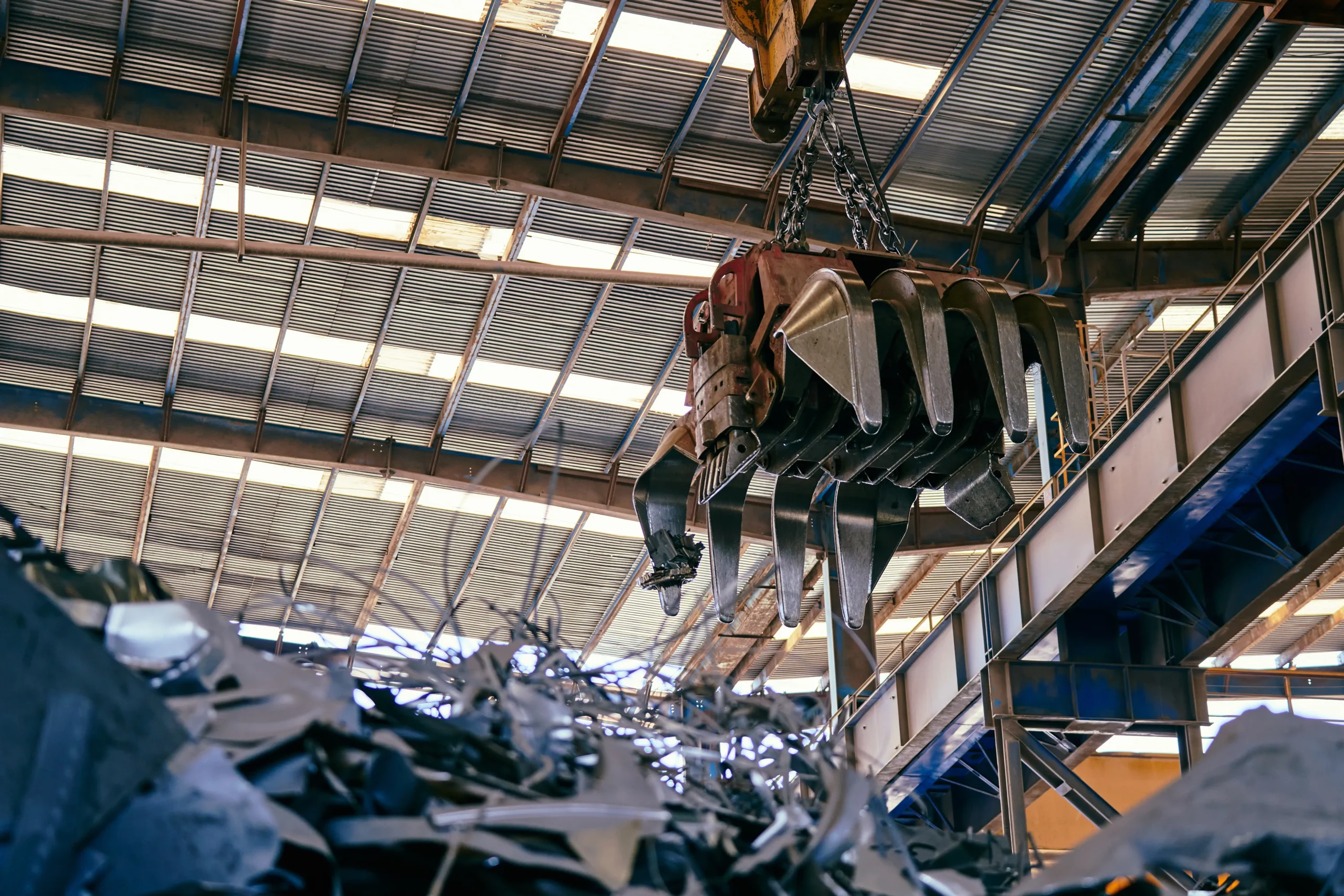
Industrial waste can quietly reduce margins long before it appears as a clear problem on a financial statement. Excess raw material, rejected parts, mixed scrap, and inefficient handling all carry costs that extend beyond disposal fees. They consume labor, floor space, and transportation capacity while hiding potential revenue inside what a facility treats as waste.
A better industrial waste strategy starts with accurate measurement. Once you know what leaves the production line, why it was generated, and where it goes, you can reduce avoidable losses and recover more value from unavoidable byproducts.
Table of Contents
Unseen Drains on Cash Flow
The purchase price of wasted material represents only part of its true cost. A manufacturer also pays to receive, inspect, move, and process that material before paying again to remove it. If a sheet of material becomes an unusable offcut, for example, its cost includes machine time, operator labor, energy, and internal handling.
These expenses often sit across several departments, which makes them difficult to recognize as one problem. Procurement sees higher material orders. Operations records lost production time. Facilities pays for containers and collection while accounting processes disposal invoices. Reports on hidden manufacturing costs show why expenses spread across routine activities can escape management attention.
Storage creates another drain. Containers placed near production equipment occupy usable space and can interrupt normal material flow. Poor sorting may also lower the value of recoverable material. Clean aluminum offcuts, for instance, typically have more recovery potential when they remain separate from plastic packaging, paper labels, and general debris.
Assign a full cost to each major waste stream. Include the original material value, labor hours, equipment time, storage area, container rental, and hauling charges. This calculation may reveal that a low disposal bill masks a much larger production loss. Reviewing that figure monthly also makes it easier to spot a faulty process before months of excess material accumulate.
Where Manufacturing Byproducts Go
Every production byproduct follows a path, even when no one has documented it. Material may enter an on-site bin, move to a central holding area, and then leave through a recycler, processor, or disposal provider. At each transfer point, contamination, poor records, or unclear ownership can reduce its value.
Map that path from the workstation to its final destination. Record who handles the material, how long it remains on-site, and how its weight is confirmed. This exercise often uncovers avoidable movement. A bin that travels across a facility several times each shift adds forklift use and labor without improving the material’s condition.
Different byproducts also need different outlets. Ferrous and nonferrous metals, rigid plastics, paper, and electronic scrap have distinct sorting and processing requirements. Combining them for convenience can turn recoverable materials into a costly mixed load. Discussions of factory waste costs highlight the operational losses tied to excess material, inefficient movement, and poor process control.
Create a simple destination record for each stream. It should identify the material, collection point, approved container, estimated volume, and receiving outlet. Add photos of acceptable and unacceptable contents near collection areas. Clear visual instructions help operators sort correctly during busy shifts, when a long written policy is unlikely to receive much attention.
A documented path also improves accountability. If the weight leaving your facility differs sharply from the weight reported at the destination, you’ll have the records needed to investigate moisture, scale accuracy, or handling errors.
Similar planning principles apply to construction sites, where managing waste across multiple work zones helps prevent debris from disrupting deliveries, access routes, and daily operations.
Modern Auditing for Production Lines
A useful waste audit measures material at the point where it becomes a byproduct. Annual disposal totals can show broad trends, but they rarely identify the shift, machine, or product responsible for a sudden increase.
Start with a focused audit lasting two to four weeks. Select one production line with high material spending or inconsistent yields. Weigh its output by material category and record the associated job number, machine, and shift. Keep the process simple enough that operators can complete it without disrupting production.
Digital scales connected to production records can improve accuracy, though a spreadsheet and labeled containers may be enough for an initial review. Compare material input against finished output and known process loss. If a line receives 10,000 pounds of material and produces 8,600 pounds of finished goods, the remaining 1,400 pounds need a clear explanation. Some may be expected offcuts, while the rest could come from setup errors, quality rejections, or inaccurate inventory records.
Broader examinations of manufacturing waste expenses also point to the connection between wasted materials and inefficient production activity. That connection makes audit results useful beyond the environmental or facilities team.
Review the findings with operators before changing the process. They may know that a specific material size causes excessive trimming or that one machine needs a longer setup after maintenance. Their practical knowledge can help distinguish a recurring engineering issue from a temporary anomaly. Set a baseline, select one measurable improvement, and check the same data after 30 days.
Partnering for Smarter Recovery
Internal teams can reduce waste generation, but specialized recovery partners may be needed to capture the value of what remains. The right arrangement depends on material volume, consistency, contamination risk, and available storage space. A facility producing several steady streams needs a different collection plan from one that generates small volumes of mixed material.
When evaluating a scrap management company, consider whether it can develop a recycling programme around your facility’s actual material streams. Industrial recycling services may cover manufacturing by-products, obsolete inventory, rejected parts and production overruns, while separate recovery options can handle ferrous and nonferrous metals, plastics, paper and electronic scrap. Discuss how materials will be collected, sorted and processed, and ask what reporting is available to help your team measure recovery results.
Price matters, but the quoted rate doesn’t tell the whole story. A slightly higher material payment can disappear if transportation fees, container charges, or rejected loads increase total costs. Request a clear explanation of deductions and ask how market price changes will appear in settlement documents. You should also know who resolves weight discrepancies and how quickly the partner provides transaction records.
Run a trial on one or two high-volume streams when possible. During a 60-day test, track pickup reliability, container overflow, contamination feedback, and payment accuracy. Operators should have a direct way to report collection problems because delayed service can block aisles or force material into the wrong bin.
The strongest partnerships also support closed-loop opportunities. In some cases, processed material can return to a manufacturer’s supply chain or enter another useful production stream. Stable specifications and accurate sorting make those arrangements more practical.
Building a Long-Term Asset Strategy
Treat recoverable industrial material as a managed asset with an owner, a documented process, and a measurable financial result. Assign responsibility to a role that can coordinate operations, procurement, finance, and facilities. Without clear ownership, each department may optimize its own task while the company misses the larger opportunity.
Set a small group of performance measures that people can understand. Useful options include pounds of byproduct per finished unit, contamination rate, recovery revenue per ton, and hauling cost per pickup. Review these figures alongside production yield and quality data. A rising scrap total may reflect increased output, so a rate per finished unit often provides a more useful comparison than total weight alone.
Plan for market changes as well. Recovered material prices fluctuate, which means monthly revenue will not always move in the same direction as operational performance. Separate controllable measures, such as sorting accuracy and material volume, from external price changes. This prevents teams from receiving credit for a favorable market or blame for a broad price decline.
Capital decisions should account for waste impacts. Before approving new equipment, estimate setup loss, expected yield, and the number of material grades it will produce. A machine that operates faster may still create a poor financial result if it increases rejected parts or requires frequent changeovers.
Keep the strategy active through quarterly reviews and an annual material flow audit. Use those meetings to retire unused collection points, update signs, and adjust pickup schedules as production changes. A well-run program should leave fewer unexplained loads, cleaner records, and more usable floor space. Most importantly, the next container leaving the plant should have a known weight, destination, and expected value before it reaches the gate.

