


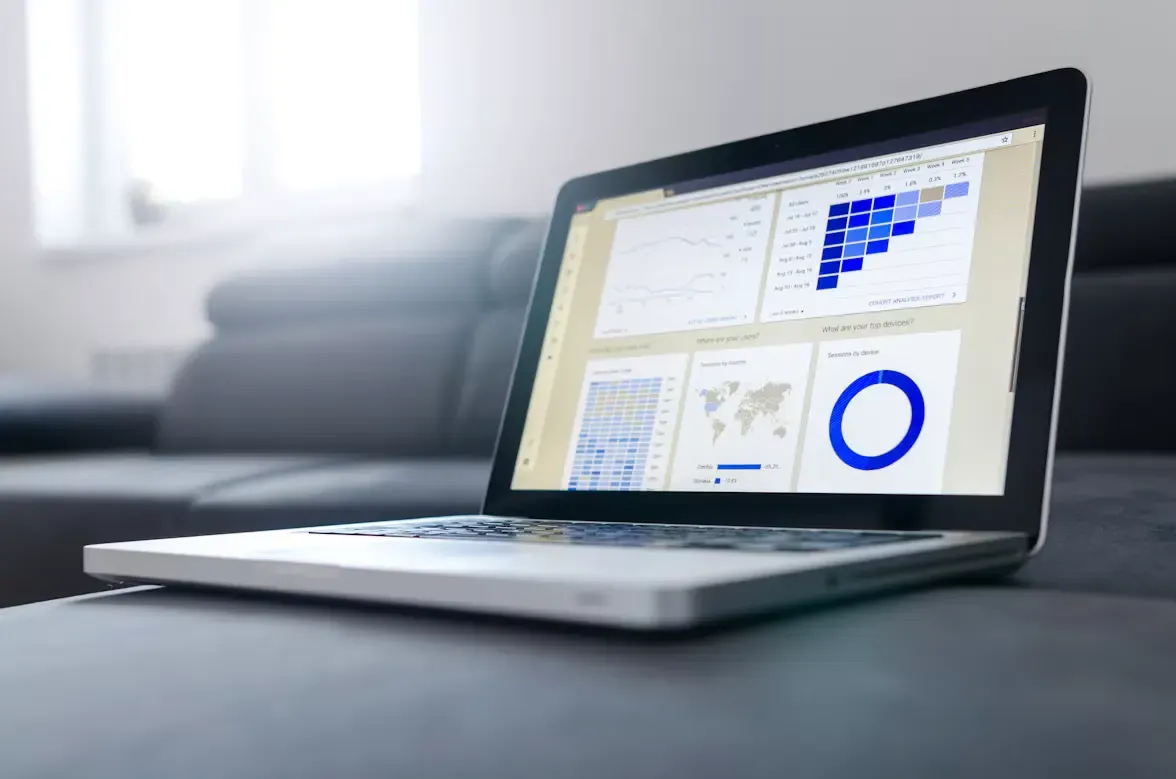
Online trading once asked users to accept prices, execution quality and payout claims with limited proof. That model has changed as live feeds, public rulebooks and trackable performance records have become easier to access. Traders can now test many platform claims before committing money or time.
Transparency hasn’t removed financial risk, but it has raised expectations. A polished dashboard carries less weight when users can compare its numbers with independent records, examine its terms and track what happens after a withdrawal request.
Table of Contents
The Rise of Verified Market Data
Reliable market data forms the foundation of every trading decision. Prices, order-book activity and execution timestamps help users confirm that a platform is reflecting current conditions. When those records are missing or delayed, even a sensible trading plan can produce misleading results.
Modern platforms increasingly combine charting, news, account analysis and order management in one place. This shift toward financial ecosystems gives users more context, but it also creates a verification challenge. A platform may display hundreds of data points without explaining where they came from, how often they refresh or what happens during periods of heavy market activity.
Check the source and timing of a data feed before relying on it. A quote marked “real time” should include a clear update schedule. For performance statistics, look for a defined measurement period and an explanation of whether figures include fees.
Consider a trader reviewing a strategy that appears to earn 6 percent over three months. That figure means little without knowing the starting balance, maximum loss and number of trades. Verified records turn the headline return into something useful by showing how the result was produced. They also reveal whether an impressive gain came from steady execution or one unusually large position.
Saved reports matter too. Download monthly statements or take dated account snapshots so you can compare current records with earlier versions.
Open Data Replaces Blind Trust
Open data allows users to check a financial claim without depending on the company that made it. This can include payout histories, rule changes, platform availability and long-term performance measures. The value comes from consistency: records should use the same definitions across providers and explain when information was last updated.
Alternative sources can add context that standard price charts miss. Work on alternative market data shows how information outside traditional financial statements may improve market visibility. For an individual trader, the same principle applies on a smaller scale. Independent records can reveal patterns that marketing pages leave out.
Someone evaluating a funded trading program, for example, may want to compare prop firms through current payout tracking, firm performance data and published rules. That research should sit alongside the trader’s own review of fees, loss limits and account conditions. No ranking or data point should replace reading the provider’s official terms.
Use a simple evidence hierarchy when weighing claims. Start with dated transaction records and formal rule documents. Next, review consistent third-party tracking. Treat testimonials, screenshots without context and social media posts as supporting material only.
Also check how missing information is handled. A blank payout field could mean zero payouts, unavailable data or a reporting delay. Trustworthy comparison tools label those differences instead of letting users guess. Clear definitions make imperfect data more valuable than unexplained numbers that look complete.
Scrutinizing Payouts and Platform Rules
Payout policies deserve the same attention as potential returns. A provider might promote a high profit share while applying waiting periods, minimum trading-day requirements or restrictions that delay eligibility. Read the complete process from account registration through withdrawal before paying a fee.
Start with timing. If a platform advertises payouts every 14 days, determine when that clock begins. It may start after the first qualifying trade, after an account review or at the end of a set cycle. Then check the payment method, minimum request and any processing charges.
Platform rules also shape how attainable a payout is. A daily loss limit may include open losses, closed losses and transaction costs. Another provider may reset the calculation at a particular time each day. In a $50,000 evaluation account with a 5 percent daily limit, the difference between balance-based and equity-based calculations can determine whether an open position triggers a violation.
Create a one-page rule sheet before participating. Record these details:
- Total and daily loss limits
- Profit targets and minimum active days
- Restricted trading periods
- Payout schedules and review times
- Refund terms and inactivity policies
Recheck the official terms before each new phase or account. Platforms can update their conditions, and a saved copy helps you identify what changed. If wording remains unclear, send a written question to support and keep the response. Specific questions work best, such as asking whether open losses count toward the daily threshold at the reset time. Vague assurances offer little protection when an account is later reviewed.
Tech Stacks Powering Modern Desks
A modern trading setup includes more than a chart and an order button. Data feeds, execution software, account dashboards, alert systems and reporting tools work together. Research on digital brokerage platforms describes how data-driven systems and automated processes have changed the way investment services operate.
For an individual user, the priority should be reliability. A complicated collection of tools creates more points of failure. If a charting service shows one price while the execution platform uses another feed, stop-loss records and entry notes may no longer match. Time-zone settings can create similar confusion when daily rules reset according to a server clock.
Build the desk around a few clear functions. Use one primary execution platform, one independent source for market confirmation and one journal for decisions and results. Set alerts for account thresholds, but don’t assume every notification will arrive. Internet interruptions, mobile settings and software updates can block them.
Security belongs in the same plan. Use unique passwords, enable multi-factor authentication and review active login sessions. Avoid granting third-party applications more account access than they need. If a journaling tool only requires read-only data, it shouldn’t receive permission to place or change orders.
Test the full setup in a simulated environment where available. Check order types, time displays and reporting exports before the results carry financial consequences. A 20-minute trial can uncover a mismatched clock or an unfamiliar default order size that would otherwise distort a real session.
Future Shifts in Solo Finance
Retail trading is likely to become more measurable as electronic systems produce richer records of user behavior and execution. A retail trading study highlights continuing academic interest in how electronic trading changes participation in financial markets. Better research may help explain which platform features support disciplined behavior and which ones encourage excessive activity.
Expect users to demand records that can move between services. Exportable trade histories, standardized timestamps and machine-readable rules would make it easier to audit performance. A trader could compare an execution report with an independent price feed without manually copying every line into a spreadsheet.
Automated rule monitoring may become more common as well. A dashboard could warn that a planned position would place an account close to its daily loss threshold before the order is submitted. Such tools can reduce accidental violations, though users still need to understand the underlying calculation. Software can enforce a rule incorrectly if the time zone, fee treatment or starting balance is configured wrong.
Transparency will also face a new test as generated summaries become common. An automated account review may sound convincing while omitting drawdowns, costs or excluded trades. Ask what data the summary uses and request the raw record behind it.
The strongest solo finance setup will remain easy to audit. If you can trace a price to its feed, a result to its transaction history and a payout condition to a dated rule, you have a usable record. That chain of evidence is what turns a bright trading dashboard into a tool you can evaluate.

