


Key Takeaways
- The right floor depends on how each room is used, not just how it looks.
- Moisture, traffic, sunlight, cleaning habits, pets, and comfort should shape the decision.
- North Carolina homes benefit from flooring choices that account for humid weather, muddy entryways, and changing indoor conditions.
- Samples should be viewed in the actual room before a final purchase is made.
Choosing flooring for a North Carolina home means looking beyond color and trends. From rainy-day entryways to bright living rooms and humid bathrooms, every space places different demands on the surface underfoot. Homeowners planning a room-by-room update can explore practical options at https://www.artisanflooringofnc.com while considering how their household actually uses each space. A floor that works beautifully in a quiet bedroom may be a poor fit for a busy kitchen, a laundry room, or a mudroom near the back door. The most successful choice balances appearance with moisture protection, durability, comfort, cleaning needs, and the material’s installation requirements.
Table of Contents
Why Room Use Matters More Than Trends
Flooring should support the routines that happen around it. A front entry may collect grit, wet shoes, and pet paws. A kitchen handles spills, chair movement, and dropped utensils. A family room may need to withstand the wear and tear of children and pets, direct sunlight, and heavy furniture. Selecting one material for an entire house can create visual continuity. Still, it should not force a moisture-sensitive or delicate product into a room where it is likely to struggle.
The Four Main Factors to Review
Moisture
Bathrooms, laundry rooms, basements, kitchens, and exterior doors deserve close attention. Water-resistant flooring can help with everyday spills, while waterproof products are designed to resist water exposure at the surface. Neither description eliminates the need to address leaks, standing water, poor ventilation, or an unsuitable subfloor. The importance of controlling moisture indoors is especially relevant before covering concrete or repairing a water-damaged area.
Traffic and Wear
Busy routes need durable surfaces that are easy to sweep and maintain. Sand, soil, pet nails, furniture legs, and work shoes can all affect a floor over time. Consider a tougher hard-surface option for hallways, kitchens, entryways, and family rooms, then use rugs and protective pads where they make sense.
Sunlight
Large windows and glass doors can make flooring look different throughout the day. Direct light may also change the appearance of some materials over time. Review the manufacturer’s care guidance, look at samples in daylight and evening light, and consider window coverings in rooms with strong sun exposure.
Care and Comfort
Some households prefer a surface that can be quickly swept and damp-mopped. Others prioritize warmth, softness, or sound control. Carpet adds cushion and helps soften sound, while tile offers a firm, durable surface. Wood, laminate, and luxury vinyl can provide a middle ground, depending on the product and underlayment.
Best Flooring for High-Demand Rooms
Entryways and Mudrooms
Porcelain tile and luxury vinyl are common choices for areas exposed to dirt and water. Textured surfaces can provide more traction than highly polished finishes. Use durable mats inside and outside the door, provide a place for shoes, and sweep regularly so grit does not remain on the floor.
Kitchens and Dining Areas
Kitchens need a surface that can handle daily traffic, food spills, and chairs sliding in and out. Tile is durable and water-friendly, although it can feel hard underfoot. Luxury vinyl generally offers more cushioning. Engineered wood and properly maintained hardwood can create a warm look, but homeowners should promptly clean up spills and use furniture pads beneath chairs.
Bathrooms and Laundry Rooms
Porcelain or ceramic tile, along with suitable luxury vinyl products, is a practical option for wet areas. Prioritize a floor with appropriate traction, seal transitions where required by the installation instructions, and avoid letting water sit on the surface. Flooring is only one part of the plan. Plumbing connections, ventilation, and leak repairs matter just as much.
Living Rooms, Bedrooms, and Home Offices
Living rooms and family rooms often call for a balance of comfort and resilience. Hardwood and engineered wood offer a classic appearance, while laminate and luxury vinyl can suit homes seeking a durable hard surface with straightforward care. Carpet remains useful in bedrooms where warmth and quiet are priorities. Home offices have a special consideration: rolling chairs. A chair mat can reduce wear on carpet and protect many hard-surface floors from repeated wheel movement. Felt pads beneath desk legs, beds, and heavy furniture also help prevent scratches or indentations.
Basement Flooring Requires Extra Preparation
Below-grade spaces should never be treated like an ordinary first-floor room. Before installation, inspect for leaks, damp odors, visible moisture, uneven concrete, and drainage concerns. Waterproof luxury vinyl and tile are often considered for basements. At the same time, other materials should only be installed when the product instructions allow installation in that location and on that subfloor condition.
- Correct leaks or water-entry problems first.
- Confirm the concrete or subfloor is suitable for the chosen product.
- Use only approved moisture barriers or underlayments.
- Check that the warranty covers basement installation.
How to Coordinate Flooring in Open Floor Plans
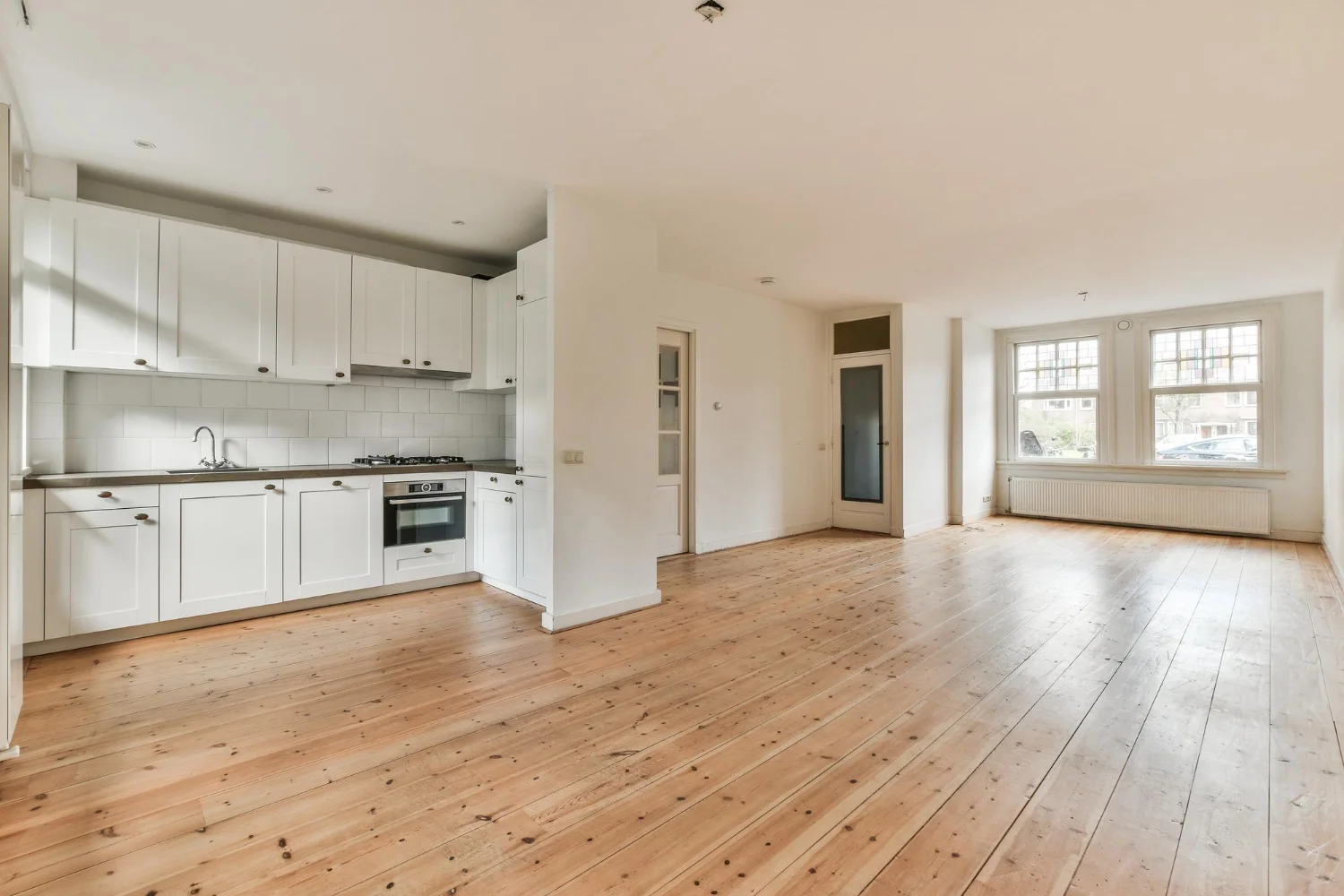
A continuous material can make connected living areas feel more open, especially when plank direction and color remain consistent. When different flooring is necessary, use intentional transitions at doorways, islands, or natural breaks between spaces. Limit competing colors and patterns so the home feels coordinated rather than visually busy.
Common Flooring Mistakes to Avoid
- Choosing a floor based only on showroom appearance.
- Ignoring moisture, humidity, or subfloor conditions.
- Skipping preparation, acclimation, or manufacturer instructions.
- Using a delicate surface in a high-traffic location.
- Forgetting transition pieces, trim, removal, and disposal costs.
- Ordering too little material for cuts, repairs, and future matching.
A Simple Flooring Decision Checklist
- How much foot traffic will this room receive?
- Will it face spills, humidity, wet shoes, or damp concrete?
- Are pets, children, rolling chairs, or heavy furniture involved?
- Does strong sunlight reach the floor each day?
- How much cleaning and maintenance is realistic for the household?
- Will the new floor meet another material nearby?
- Does the total budget include preparation and installation details?
Also Read: Why Modern Energy Grids Depend on Agile Architecture
Final Thoughts
The best flooring for a North Carolina home starts with understanding the room’s actual conditions and how the space will be used throughout the year. Factors such as humidity, seasonal weather changes, foot traffic, direct sunlight, pets, and everyday spills can all affect a floor’s appearance and long-term performance. Homeowners should compare materials based on their ability to handle moisture, resist scratches, provide comfort underfoot, and withstand regular cleaning. It is also worth considering how the flooring will complement existing furniture, wall colors, and the overall style of the home. Before installation, the subfloor should be properly inspected and prepared to help prevent uneven surfaces, gaps, and other avoidable issues. Understanding product warranties, installation requirements, and maintenance costs can also make the selection process easier. By considering these practical details alongside personal design preferences, homeowners can choose flooring that fits each room’s needs, remains attractive with regular use, and provides lasting value long after installation day.

