



It is 6:00 PM on Sunday. The weekend is winding down, the sun is starting to set, and suddenly, a familiar heavy feeling settles into your stomach. Your chest tightens slightly, your mind starts racing through tomorrow’s to-do list, and a vague sense of dread replaces whatever relaxation you felt just a few hours ago. If this sounds familiar, you are experiencing the sunday scaries meaning. This wave of weekend anxiety isn’t just in your head; it is a recognized psychological shift that happens when our brains transition from the complete freedom of the weekend to the strict structure and responsibilities of Monday morning.
Understanding why do i get anxiety on sundays comes down to how we manage our time and energy. For many students and young professionals, this anxiety stems directly from the weight of unfinished tasks. When you have an overwhelming workload hanging over your head, it becomes impossible to enjoy your free time. If you find yourself constantly stressing over unwritten essays as the weekend closes, deciding to use a trusted service to write my assignment for me through myassignmenthelp can immediately lift that burden and restore your peace of mind. Taking control of your schedule early allows you to eliminate the anticipation of Monday stress before it even begins.
Table of Contents
Identifying the Triggers of Weekend Dread
To defeat this anxiety, we first have to understand what triggers it. For the vast majority of people, the Sunday blues are fueled by procrastination anxiety. During the week, we push difficult tasks to the side, promising ourselves that we will handle them later. When the weekend arrives, we naturally want to escape our responsibilities and have fun. However, those tasks do not disappear; they simply sit in the background of our minds, building up pressure.
As Sunday evening approaches, reality sets in. The mind suddenly realizes that the time for avoidance has run out, leading to an intense spike in stress. This is particularly true when dealing with academic stress, where the expectations are high and the deadlines are rigid. When you combine general lifestyle fatigue with the pressure of school or work, Sundays stop feeling like a break and start feeling like a countdown timer.
The Cycle of Sunday Anxiety
To get a clearer picture of how this stress develops throughout the weekend, it helps to look at the typical psychological pattern most people go through. This timeline shows how avoidance early in the weekend directly causes the panic that hits later on Sunday night.
The Weekend Stress Trajectory
| Day & Time | Mental State | Core Focus | Internal Anxiety Level |
| Friday Evening | Euphoria & Relief | Escaping responsibilities, socializing, ignoring upcoming deadlines. | Very Low |
| Saturday All Day | Passive Avoidance | Staying busy with leisure activities, though background tasks sit in the mind. | Low (Background noise) |
| Sunday Morning | Growing Awareness | Realization that the weekend is half over; mild guilt about unfinished work. | Moderate |
| Sunday Evening | Full Anticipation | Intense focus on Monday’s workload, physical symptoms of stress, sleeplessness. | High |
| Monday Morning | Execution Mode | Confronting the tasks directly; anxiety drops as action replaces worrying. | Moderate to Low |
Trigger 1: The Weight of Looming Deadlines
The biggest contributor to weekend panic is the presence of looming deadlines. It is hard to truly relax at a Friday happy hour or a Saturday morning brunch when you know a massive project is due in less than forty-eight hours. The human brain is highly sensitive to unfinished business. Even when you are actively trying to ignore your responsibilities, an incomplete project drains your mental energy in the background.
This background stress manifests as physical fatigue, irritability, and an inability to focus on the present moment. Instead of recovering from a long week, you spend your energy worrying about how you will catch up. To stop this cycle, you must change how you approach your weekly workload and find effective ways to manage your high-stress tasks before they take over your weekend.
4 Actionable Ways to Stop Weekend Anxiety
Fortunately, you do not have to accept this anxiety as a permanent part of your week. By making a few intentional shifts in your routine, you can protect your peace of mind and reclaim your Sundays.Here are four practical strategies to eliminate the dread and build a healthier, more balanced weekend.
1. Implement the Friday Afternoon “Brain Dump”
One of the most effective stress management tools is a Friday afternoon brain dump. Before you close your computer or pack your bag for the weekend, take ten minutes to write down every single task, deadline, and responsibility waiting for you next week.
When you keep your to-do list in your head, your brain treats it as an emergency, causing constant worry. Writing it down organized on paper signals to your brain that the information is safe and does not need to be actively processed over the weekend. This simple habit creates a clear psychological boundary between the workweek and your personal time.
2. Design a Mindful Sunday Evening Ritual
Instead of letting Sunday evening be a passive slide into Monday anxiety, create a specific, enjoyable weekend routine that gives you something to look forward to. If your Sunday night consists of scrolling through social media while worrying about tomorrow, your brain will naturally stay in a high-alert state.
Change the narrative by scheduling an activity you love during the peak hours of anxiety. Plan a dinner with friends, watch a favorite movie, or visit a local spot for a relaxed meal. By filling that time with positive social interactions, you train your brain to view Sunday evenings as a time for comfort rather than stress.
3. Establish the “Saturday Morning Power Hour”
Total avoidance of your work often causes more anxiety than the work itself. Instead of ignoring your tasks all weekend, set aside a strict one-hour block on Saturday morning to handle your most urgent organization.
Use this time to clean your workspace, review your schedule, or answer urgent messages. Because it is Saturday morning, the pressure is low, and you still have plenty of the weekend ahead of you. Spending just one hour clearing out small tasks removes the guilt of relaxing, allowing you to enjoy the rest of your weekend completely stress-free.
4. Outsource and Delegate High-Stress Tasks
Sometimes, the anxiety is caused by a project that is simply too large or complex to handle alone. When a major research project or an advanced paper is dominating your thoughts, the best solution is strategic delegation. Utilizing professional dissertation writing services can give you access to expert insights, structured outlines, and comprehensive research support that saves you dozens of hours of frustration.
Learning how to delegate complex work is a critical life skill. Recognizing when a project requires specialized, high-level support allows you to protect your mental health while ensuring your work meets the highest quality standards.
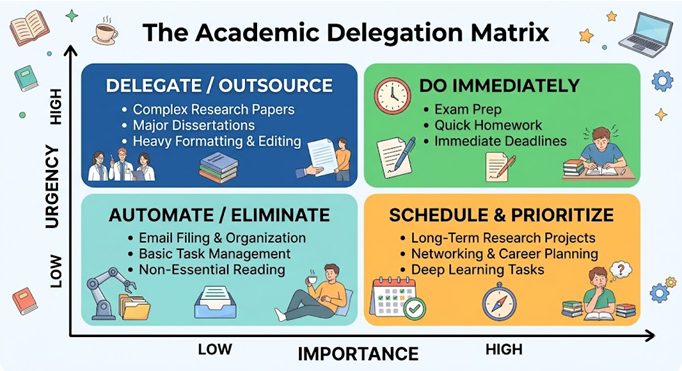
To better understand how to sort your responsibilities and protect your personal time, you can utilize a standard time-management framework adapted specifically for managing a heavy schedule.
THE ACADEMIC DELEGATION MATRIX
High Urgency
│
│ DELEGATE / OUTSOURCE
│ (Complex Research,
│ Large Papers,
│ Tedious Formatting)
│
Low Importance ─┼─────────────────── High Importance
│
│ AUTOMATE / SCHEDULE
│ (Weekly Planning,
│ Basic Organizing,
│ Admin Tasks)
│
│
Low Urgency
Long-Term Habits for a Stress-Free Lifestyle
While quick fixes can help you survive the upcoming weekend, true relief from weekly dread comes from building sustainable long-term habits. You cannot expect your weekends to be peaceful if your Monday through Friday schedule is chaotic and unorganized.
1. Master the Art of Time-Blocking
Instead of working based on your changing energy levels, map out your week using visual time blocks. Assign specific hours to specific tasks, and make sure to treat your personal breaks with the exact same level of respect as your project deadlines. When you know there is a dedicated time slot for your research later in the week, you will feel less guilt about taking a break right now.
2. Practice Cognitive Reframing
Much of our Sunday anxiety comes from the negative stories we tell ourselves about the upcoming week. We look at Monday as an obstacle or a burden rather than a fresh start. When the negative thoughts creep in on Sunday night, consciously shift your focus to something positive happening in the days ahead—whether it is a lunch date with a friend, a workout class you enjoy, or a topic you are genuinely excited to learn about.
3. Set Firm Professional and Digital Boundaries
With smartphones keeping us permanently tied to our work and classrooms, it is incredibly easy to let work communications bleed into our personal hours. Make a strict rule to turn off non-essential notifications by 6:00 PM on Friday evening. If an issue arises over the weekend, remind yourself that almost every single problem can wait until Monday morning to be resolved.
Also Read: Beverage and Food Pairing Tips for Elegant Gatherings
Reclaiming Your Peace of Mind
At the end of the day, your weekends belong to you. They are designed for rest, recovery, reflection, and connection with the people and places that make you happy. Letting anxiety steal twenty-four hours of your free time every single week is a habit that you can actively break.
By identifying your specific triggers, setting clear boundaries on Friday, and knowing when to use an academic writing resource to handle heavy workloads, you can fundamentally change your relationship with the weekend. Start small this week by picking just one of these strategies to try. You deserve to enjoy your Sunday night with a clear mind, a relaxed body, and absolute confidence for the week ahead.
Frequently Asked Questions
What exactly causes that wave of dread on Sunday evenings?
It is typically triggered by the mental transition from weekend freedom to upcoming weekly responsibilities. When heavy tasks are delayed, the sudden realization of looming deadlines creates a spike in anticipatory stress as the weekend closes.
How can a Friday routine help save my Sunday night?
Taking a few minutes on Friday afternoon to write down every upcoming task transfers the pressure out of your head and onto paper. This signals your brain that the information is safe, allowing you to relax completely without background worry.
Is it better to completely ignore work over the weekend to rest?
Total avoidance often increases anxiety because the unfinished work stays on your mind. Dedicating just one strict hour on Saturday morning to organize your schedule removes the guilt of relaxing and makes the rest of your break truly restful.
When should I consider delegating some of my workload?
When a single massive project or complex assignment is completely dominating your thoughts and causing physical stress, strategic delegation is a healthy way to protect your mental well-being while keeping your performance on track.
About The Author
Thomas Taylor is a senior academic strategist and lead content contributor at myassignmenthelp. With over a decade of experience in educational development, he specializes in creating actionable productivity frameworks and workload-delegation strategies designed to help students bridge the gap between academic excellence and personal well-being.

