


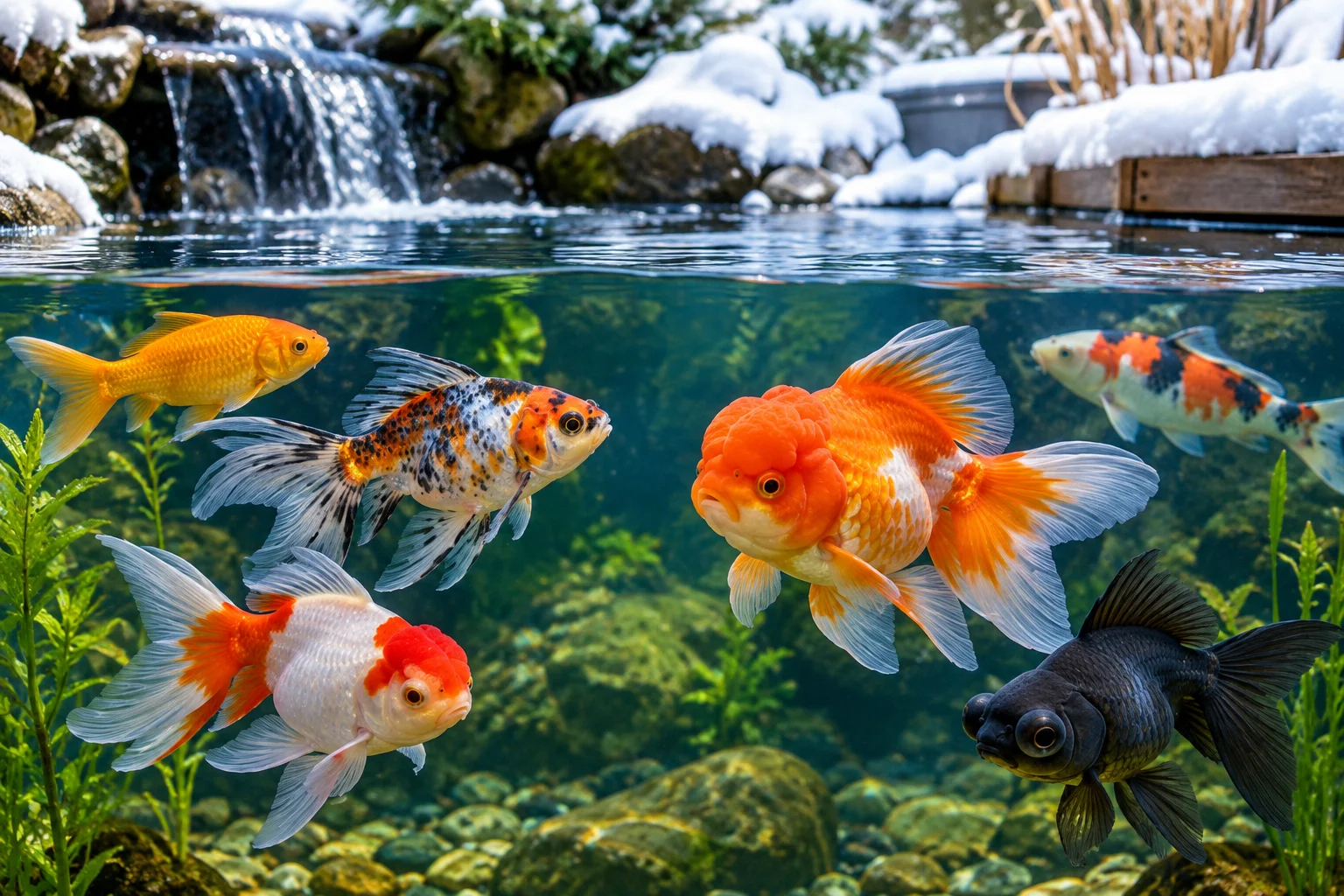
Understanding the unique biology of fancy goldfish is the cornerstone of successful cold-weather care. As poikilothermic, or cold-blooded, animals, their internal body temperature directly mirrors that of their environment. This fundamental biological trait means that every drop in water temperature profoundly impacts their metabolic rate, immune function, and overall vitality. While all goldfish belong to the Cyprinidae family, sharing a common genetic lineage with carp, centuries of selective breeding have created the stunning, diverse forms we admire as fancy goldfish. However, this aesthetic brilliance often comes at the cost of the robust environmental tolerance seen in their wilder ancestors or even common goldfish.
The vitality markers we observe in warmer months – active swimming, eager feeding, and vibrant coloration – will inevitably diminish as temperatures fall. Healthy fish entering winter will have good body condition and no signs of disease. Their physical morphology plays a significant role in their cold tolerance. Streamlined, single-tailed varieties possess a more efficient body plan for movement and are generally hardier. In contrast, the elaborate fins and compact, often rounded bodies of twin-tailed fancy goldfish make them less capable of adapting to low water temperatures and more susceptible to stress.
Table of Contents
Cold Tolerance Differences in Premium Aquaculture Stocks
The resilience of goldfish in cold water varies significantly by type. While all goldfish enter a state of torpor when water temperatures consistently drop below 50°F (10°C), their ability to withstand prolonged cold and very low temperatures differs. During torpor, their metabolism slows dramatically, reducing their need for food and oxygen. Below this threshold, their immune function is also greatly reduced, making them more vulnerable to disease. Some species, like common goldfish and koi, can even produce glycerol, a natural antifreeze, in their blood to protect against ice crystal formation at extremely low temperatures. However, this mechanism is less pronounced or absent in many fancy varieties.
Let’s compare the cold hardiness across various types:
Variety Type Cold Hardiness Level Key Characteristics Common Goldfish Very High Streamlined body, single tail, highly resilient, can tolerate near-freezing water. Comet, Shubunkin High Streamlined body, single tail, similar to common goldfish but with longer fins/calico patterns, very hardy. Wakin, Jikin Moderate-High More robust fancy types, single or split tail, often elongated body, can do well in ponds with proper care. Ryukin Moderate Deep, rounded body, short fins, can tolerate cooler water but less than single-tailed varieties. Oranda, Fantail Moderate-Low Rounded body, twin tail, delicate finnage, requires stable conditions, less tolerant of extreme cold. Ranchu, Lionhead Low Hooded, egg-shaped body, no dorsal fin, very delicate, highly susceptible to cold-related issues. Bubble-Eye, Celestial Very Low Extremely delicate, protruding eyes/sacs, highly vulnerable to injury and cold stress, best kept indoors. Koi Very High Large, robust, streamlined body, excellent cold tolerance, can withstand very cold winters in deep ponds. As the table illustrates, the more “fancy” the goldfish, particularly those with pronounced body shapes, delicate fins, or growths (like the wen on Orandas or Ranchu), the less cold-hardy they tend to be. Their unique physical morphology, while beautiful, often makes them less efficient at swimming, more prone to injury, and less capable of coping with the physiological demands of extreme cold.
Variety Selection and Premium Aquaculture Standards
When considering overwintering fancy goldfish outdoors, careful variety selection is paramount. Ranchu, with their dorsal-finless, egg-shaped bodies and delicate wens, are particularly vulnerable. They struggle with buoyancy issues and are highly susceptible to cold-related infections. Oranda care also requires vigilance, as their prominent headgrowth (wen) can become susceptible to fungal infections in cold, stagnant water. Ryukin, while still fancy, tend to be more adaptable than Ranchu or Oranda due to their slightly more compact, yet still rounded, body shape. Wakin goldfish, often considered a bridge between common and fancy types with their elongated bodies and twin tails, exhibit surprisingly good resilience and can be a good choice for outdoor ponds in milder climates. Conversely, extremely delicate varieties like Bubble-eye and Celestial goldfish should almost always be brought indoors for winter, as their unique features offer virtually no protection against cold and make them highly prone to injury.
For those passionate about aquaculture, sourcing healthy, high-quality fish is the first step towards ensuring their resilience. A robust fish, bred to premium aquaculture standards, will inherently possess a better chance of surviving environmental challenges. Whether you are seeking new additions or replacements, investing in healthy specimens from reputable sources, such as those offering a wide selection of premium koi and goldfish, provides a strong foundation for their long-term well-being, especially when preparing for cold weather.
Essential Pond Specifications and Winter Preparation
Successful overwintering of fancy goldfish in outdoor ponds hinges on meticulous preparation. One of the most critical steps is thorough debris removal. As autumn leaves fall and aquatic plants die back, they contribute to a layer of organic sediment at the bottom of the pond. This decaying matter consumes oxygen and releases toxic gases like hydrogen sulfide, which can become trapped under ice, poisoning the water. Therefore, removing as much of this organic sludge as possible before winter is essential.
The pond’s water volume also plays a crucial role. A larger volume of water changes temperature more slowly, providing a stable thermal environment. Thermal stratification, where warmer, denser water settles at the bottom, creates vital pockets of refuge for fish. Additionally, protecting the pond from harsh winds with natural or artificial windbreaks can significantly reduce heat loss from the water surface, helping to maintain more stable temperatures.
Minimum Depth, Volume, and Thermal Buffering
For fancy goldfish to survive winter outdoors, the pond must provide adequate thermal buffering. This primarily comes down to depth and volume. A minimum pond depth of 18 inches (45 cm) is often cited, but for fancy goldfish, especially in regions with consistently freezing temperatures, we strongly recommend a depth of 24-30 inches (60-75 cm) or more. This increased depth ensures that even if the surface freezes solid, there remains a substantial pocket of liquid water at the bottom where temperatures hover just above freezing.
The principle behind this is simple: water is densest at 39°F (4°C). As the surface water cools and freezes, this denser, warmer water sinks, creating a thermal refuge at the pond’s lowest point. The goal is to prevent the pond from freezing solid down to the bottom, which would be fatal. Pond water temperature should ideally not drop below 34°F (1°C), as temperatures below this can cause ice crystals to form on goldfish gills, which can be fatal. The “freeze line” – the maximum depth to which ice penetrates – varies significantly by climate, but a deeper pond offers a greater margin of safety.
Safe Ice Management and Aeration Equipment
Even with sufficient depth, maintaining an open area on the pond surface is critical for gas exchange. A completely frozen surface traps harmful gases (like carbon dioxide and hydrogen sulfide) produced by decaying organic matter and prevents life-sustaining oxygen from entering the water. This can quickly lead to oxygen depletion and fish fatalities.
We recommend using equipment specifically designed for safe ice management:
- Pond De-icers: These floating units typically contain a heating element that keeps a small area of the pond surface ice-free. They do not heat the entire pond but merely ensure a vent for gas exchange. A pond de-icer commonly costs about $35-$64.
- Surface Aerators: An air pump connected to an air stone placed just below the surface (not at the bottom, as this would disrupt the warmer water layer) can create water movement that prevents ice formation in a small area and actively adds oxygen to the water.
It is crucial to avoid breaking ice on the pond surface manually, especially by hammering or stomping. The acoustic shock waves generated by such actions can be highly stressful and even fatal to fish in their torpid state. If an ice hole must be created and no de-icer is available, gently melt a hole using a pot of hot water placed on the ice, or carefully use a hole saw. Once an opening is created, ensure it remains open.
Cold-Weather Physiology, Feeding Protocols, and Indoor Transitions
The physiological changes fancy goldfish undergo in cold water are profound. Their immune function is significantly reduced below 50°F (10°C), making them more susceptible to pathogens. Digestion cessation is another critical aspect; as their metabolism slows, their digestive system becomes inefficient. Feeding fish in cold water can lead to intestinal blockage, as the food sits undigested and can rot, releasing toxins internally. Uneaten food also contributes to bacterial risks in the pond by fouling the water. These changes collectively lead to a state of winter torpor, a crucial survival mechanism. Maintaining thermal stability, whether in a pond or an indoor tank, is key to minimizing stress during this vulnerable period.
Metabolic Torpor and Autumn-to-Spring Nutrition
As water temperatures consistently drop below 50°F (10°C), fancy goldfish enter a state of torpor, akin to hibernation. They become largely inactive, seeking the warmest water pockets at the bottom of the pond, and their need for food diminishes drastically. Goldfish should stop being fed when water temperatures consistently fall below 50°F (10°C). Their digestive organs essentially stop functioning below this temperature, making digestion inefficient and potentially harmful.
During this period, fish rely on stored fat reserves (lipid reserves) accumulated during the warmer months. It’s important to feed them a high-quality, easily digestible diet (like wheat germ-based foods) during the autumn as temperatures cool but before they hit the 50°F threshold, to build up these reserves. Goldfish can survive for months without food during winter by relying on these stores.
Spring acclimation involves a gradual reintroduction to feeding. As water temperatures slowly rise back above 50°F (10°C), begin feeding very small amounts of easily digestible food. Monitor their activity and appetite, gradually increasing the quantity and frequency as temperatures continue to rise and the fish become more active.
Recognizing Cold Stress and Transitioning Indoors
Observing your fancy goldfish for signs of cold stress is vital. These can include:
- Clamped fins: Fins held close to the body, indicating discomfort or illness.
- Lethargy or extreme inactivity: Beyond normal torpor, fish may seem unresponsive.
- Loss of equilibrium: Tilting, swimming erratically, or lying on their side.
- Red streaks or ulcers: Signs of bacterial infection, often exacerbated by cold and poor water quality.
- Gasping at the surface: Indicates low oxygen levels, even in cold water.
If your pond is too shallow, experiences extremely harsh winters, or if you notice significant signs of cold stress, considering tank relocation indoors is a responsible choice. When moving fish indoors, ensure the indoor tank is properly cycled and maintained. The transition should be gradual to avoid thermal shock. Aim for temperature adjustments of no more than 2°F (1°C) per day between the pond and the indoor tank water. This slow acclimation helps prevent stress and illness.
It’s also wise to implement quarantine protocols for any fish showing signs of illness, whether moving indoors or staying in the pond. A separate quarantine tank allows for observation and treatment without risking the entire population.
Also Read : How to Use GIFs to Revolutionize Facebook Ads
Frequently Asked Questions About Cold-Weather Fish Care
Ensuring winter pond safety for fancy goldfish often brings up several common questions regarding overwintering diagnostics and seasonal readiness. Addressing these concerns proactively can significantly improve the chances of your fish thriving through the colder months.
Can fancy goldfish survive if the pond surface completely freezes?
Fancy goldfish can survive if the pond surface freezes completely, provided there is a sufficient depth of liquid water beneath the ice and adequate oxygen levels. However, a completely sealed ice layer poses significant risks. Without a hole for gas exchange, harmful gases like carbon dioxide and toxic hydrogen sulfide (produced by decaying organic matter) can become trapped, while essential oxygen is rapidly depleted. This gas trapping and oxygen depletion can quickly lead to a toxic environment, suffocating the fish. Therefore, maintaining surface ventilation through a de-icer or aerator is crucial to prevent these dangerous conditions.
What is the safest way to reopen a frozen pond surface?
The safest way to reopen a frozen pond surface is through thermal melting, not physical force. Avoid hammering, stomping, or using sharp objects to break the ice, as the acoustic trauma (shock waves) can severely stress or even kill fish in their torpid state. Instead, use one of these methods:
Hot Water Method: Place a pot of hot water directly on the ice. The heat will gradually melt a hole. Once a hole is formed, you can carefully remove the melted ice.
Electric De-icers: The most recommended and safest option is to install an electric pond de-icer before the pond freezes completely. These devices continuously keep a small area of the surface ice-free, ensuring constant gas exchange without any intervention.
Aeration: A small air pump with an air stone placed just below the surface can create enough water movement to prevent a small area from freezing over.
At what temperature should feeding resume in the spring?
Feeding should resume gradually in the spring when the pond water temperature consistently rises above 50°F (10°C). Below this threshold, a goldfish’s digestive enzymes are largely inactive, and feeding can lead to undigested food rotting in their gut, causing illness or death. When you first start feeding, offer very small amounts of a highly digestible, low-protein food, such as a wheat germ-based diet. Observe if the fish are actively seeking and consuming the food. If they ignore it, wait a few more days for temperatures to stabilize and try again. Gradually increase the quantity and frequency of feeding as the water warms further and the fish’s activity levels increase.
Conclusion
Successfully navigating the challenges of “fancy goldfish cold weather” care is a testament to dedicated pond keeping. We’ve explored the intricate balance between their delicate physiology and the harsh realities of winter. Effective thermal management, whether through adequate pond depth, strategic insulation, or the use of de-icers, is paramount. Developing a comprehensive overwintering strategy that includes thorough pond preparation, appropriate feeding protocols, and a keen eye for signs of cold stress will ensure the well-being of your prized fish. Consistent water quality maintenance remains crucial, even during the dormant winter months, as stagnant conditions can quickly turn hazardous. By understanding these principles and implementing the actionable steps outlined, you can safeguard the aquatic health of your fancy goldfish, allowing them to emerge vibrant and healthy with the arrival of spring.

