


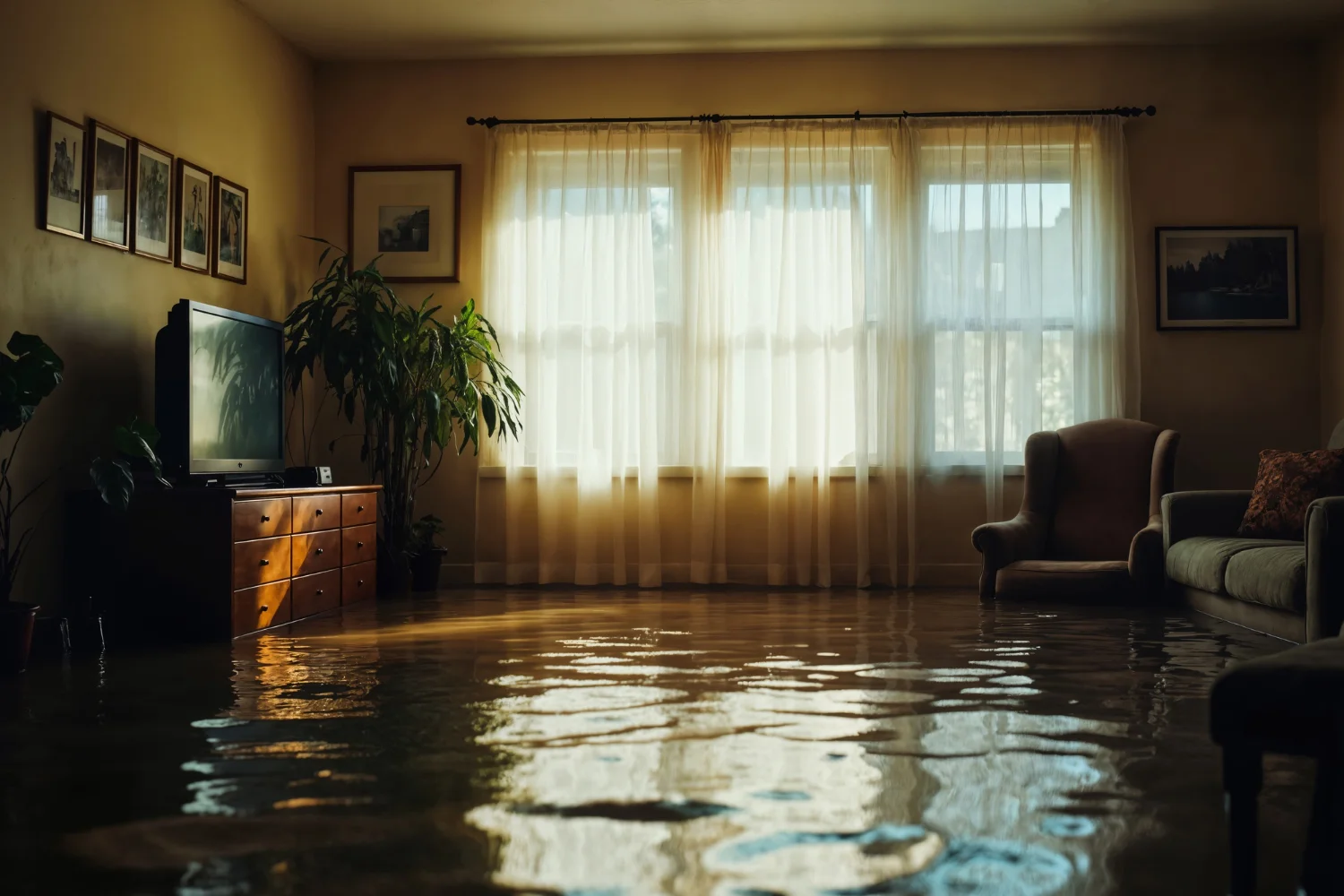
The extraction hose is packed away, and there are no puddles left on the floor. It is tempting to move the furniture back. But moisture absorbed by drywall or trapped beneath flooring needs separate attention. Removing standing water clears the visible mess; the restoration team at https://quickdry.com still needs to check what is wet and determine which materials are worth saving before the room is ready to use again.
Table of Contents
Follow the Water Beyond the Puddle
Before cleanup begins, qualified professionals should assess any electrical or structural hazards. The water source also needs to be stopped. Otherwise, a leaking pipe behind a wall will keep wetting the same area regardless of how much water is extracted. Inspection should extend beyond the original puddle to adjoining rooms and the layers beneath wet flooring. Water contamination also changes the job. Sewage backups and dirty floodwater require specialized cleanup, not the same treatment as a promptly discovered clean-water leak.
Drying Needs Measurements, Not Guesswork
Air movers speed up evaporation at wet surfaces, while dehumidifiers remove water vapor from indoor air. Their placement depends on where moisture remains. Closed wall cavities and the spaces beneath flooring need attention too. Simply pointing a fan at the finished surface does not establish that the material underneath is dry.
Moisture meters give the drying crew a way to track progress. Ask which areas are being measured and what readings will count as dry for those materials. A promised number of days is less useful than evidence that moisture levels are falling. Where visible mold is present, do not start household fans and spread spores through the room; have the affected area assessed first.
Fun fact: A thermal camera does not see water inside a wall. It shows surface temperature differences that sometimes reveal damp areas. Other conditions also produce temperature changes, so a suspicious patch on the screen still needs checking with a moisture meter.
A Wet Material Is Not Automatically a Lost Material
After a clean-water leak, intact drywall without swelling or damaged seams is sometimes suitable for drying in place. Swollen or deteriorated sections need replacement. The condition of the material matters, along with what soaked it and how long it remained wet.
Contamination changes those decisions. Porous items that are impossible to clean and dry thoroughly belong in the discard pile, even if their surfaces look acceptable. Sound, nonporous materials are generally easier to clean and retain. Ask for the reason behind each removal rather than accepting either blanket demolition or a promise to save everything.
When Cleanup Leaves a Room Unfinished
Removing damaged material often leaves gaps that cleaning equipment will never fix. A section of drywall has been cut out, wet insulation discarded, or flooring lifted to expose the subfloor. Reconstruction crews at http://www.riskfreeserv.com address those missing parts once the remaining structure has been cleaned and its dryness verified. The repair plan should identify what needs replacement and the order of work, with necessary plumbing repairs completed before a wall is closed. Before new finishes go on, ask who will check the exposed areas and record their condition. Photographing those spaces creates a record of work that will soon be hidden. There is no reason to turn a limited repair into an unrelated remodel, but replacing only the visible finish is not enough when the material beneath it remains damaged.
Also Read: A Simple Guide to Planning a Bowling Night for All Ages in Wilsonville, Oregon
Before the Furniture Goes Back
During the final walkthrough, ask to see the recorded moisture readings and check that every agreed repair is finished. Where mold cleanup was needed, remaining visible growth or a musty smell calls for further investigation. Fresh paint and a pleasant smell do not establish that hidden materials are dry.
Keep the drying records and photographs with the repair paperwork. Before accepting the work as finished, ask: “What confirmed that the concealed areas were dry before they were closed?” The answer should refer to the inspected materials and recorded readings, rather than how long the equipment ran.

