


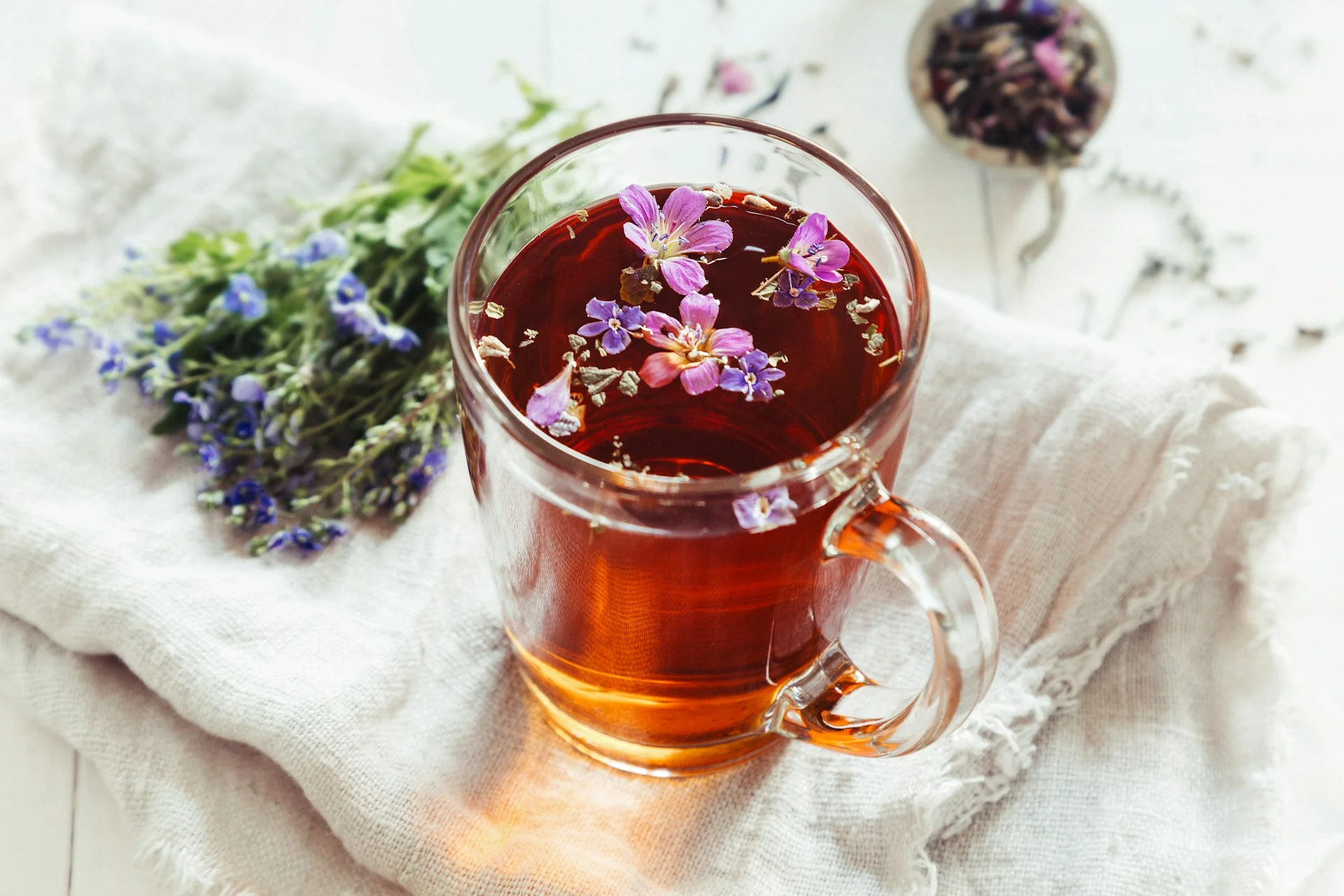
Evening routines are becoming more deliberate as people look beyond vague wellness promises and focus on how specific habits affect sleep. Herbal teas, aromatic plants and functional botanical products now sit alongside dimmed lights and reduced screen time. The appeal is understandable, but plant-based doesn’t automatically mean effective or risk-free. A useful routine combines realistic expectations, careful label reading and a stable schedule that gives your body clear signals that the day is ending.
Table of Contents
Rethinking the Classic Nighttime Routine
A traditional nighttime routine might include a warm drink, a shower and a few pages of a book. Those habits still work well because they create a predictable transition between activity and rest. Consistency matters more than novelty. According to the CDC’s sleep guidance, adults ages 18 to 60 generally need seven or more hours of sleep each night, though individual needs can vary.
Start by working backward from your intended bedtime. If you plan to be asleep by 11 p.m., begin slowing down around 9:30 or 10. Lower the lights, finish demanding tasks and set your phone to a less distracting mode. A repeatable sequence helps your brain associate those cues with rest. Your bedroom environment also plays an important role in winding down. Consider these bedroom updates for better sleep, including warmer lighting, comfortable bedding and reduced visual clutter.
Food and drink choices deserve attention too. A heavy meal close to bedtime can leave some people uncomfortable, while caffeine may remain active in the body for hours. Guidance on a healthy evening routine also highlights the connection between nightly habits and the body systems involved in sleep.
Keep the routine simple enough to follow on busy nights. A 30-minute version could look like this:
- 10 minutes to prepare for the next morning
- 10 minutes for a shower or basic skin care
- 10 minutes for reading, stretching or quiet breathing
Herbal products can fit into that window, but they should support the schedule instead of becoming the entire plan.
The Rise of Functional Plant Profiles
People once chose herbal products mainly by flavor or tradition. Now, labels often describe active compounds, botanical extracts and aromatic profiles. This shift reflects a wider interest in plant-derived compounds as part of natural relaxation routines.
A functional plant profile explains what is present in a product and why those components may matter. Chamomile, for example, contains apigenin, a flavonoid that has attracted scientific interest for its potential interaction with receptors involved in sleepiness. Lavender is often discussed in terms of linalool and linalyl acetate, two aromatic compounds that contribute to its familiar scent. Lemon balm contains several plant chemicals, though products can differ greatly in strength and composition.
The practical challenge is separating a useful profile from decorative label language. Look for the full botanical name, the part of the plant used and the amount per serving. A tea containing a listed quantity of chamomile flower offers more information than a product that mentions a “night blend” without further detail. Extract ratios and standardized compound amounts can also help you compare two products, though those figures don’t guarantee a particular result.
Avoid starting several new botanicals at the same time. If you drink a new tea, use a scented oil and take a multi-ingredient supplement on the same evening, you won’t know which item caused an effect or an unwanted reaction. Test one change for several nights while keeping bedtime, meal timing and room conditions steady. Stop if you experience dizziness, digestive trouble, skin irritation or next-day grogginess.
Recognizing Calming Botanical Lineages
Botanical lineage describes where a cultivated plant comes from and how its inherited traits shape its aroma, appearance and chemical composition. The idea is familiar in common herbs. Different mint varieties may smell distinctly sweet, sharp or citrus-like because their genetics and growing conditions affect the aromatic compounds they produce.
Lineage discussions also appear in cannabis education. A guide to the Granddaddy Purple strain offers an example of how an informational resource can organize genetics, terpene profiles, cultivation characteristics and consumer quality markers. This type of profile is most useful as product education. It does not predict exactly how every person will respond, and it should never replace medical advice or local rules.
Terpenes are a frequent part of these profiles. These aromatic compounds occur across many plants, including lavender, citrus fruit, pine and rosemary. Linalool is associated with floral aromas, while limonene has a citrus character. Myrcene can produce earthy or herbal notes. An aroma description tells you what a product may smell like, but it doesn’t prove a specific health outcome.
Growing methods, harvest timing and storage can also change the final profile. Heat, oxygen and light may degrade sensitive compounds over time. That’s why lineage alone provides an incomplete picture. Reliable product information should also include testing details, ingredient quantities and clear usage directions.
If a botanical product may affect alertness, don’t combine it with other sedating substances or use it before driving. People who are pregnant, managing a health condition or taking prescription medicine should speak with a qualified clinician or pharmacist before trying concentrated extracts. Even familiar plants can interact with medicines or trigger allergies.
Designing a Balanced Reset Window
A reset window is a planned stretch of low stimulation before bed. For most people, 45 to 90 minutes is realistic. The window should lower mental and physical demands in stages so bedtime doesn’t feel like an abrupt stop.
During the first 15 minutes, close out practical tasks. Put away food, check tomorrow’s schedule and set out anything you’ll need in the morning. This reduces the chance that unfinished details will follow you into bed. Keep the process brief, since late-night organizing can easily become another project.
Use the middle portion for body care and comfort. Take a warm shower, change into sleepwear and adjust the bedroom temperature. If you enjoy herbal tea, choose a caffeine-free option and keep the serving modest enough that it won’t prompt repeated bathroom trips. Follow package directions and check multi-ingredient blends for herbs you don’t recognize.
Reserve the last 20 to 30 minutes for a quiet activity under soft light. Reading a paper book, listening to calm audio or doing gentle stretches can work. Keep intense exercise, work email and emotionally charged conversations outside this final period when possible. If your mind stays busy, write down the concern and one action for the next day. That gives the thought a place to go without requiring an immediate solution.
Track outcomes for one or two weeks using a few simple details: bedtime, estimated time to fall asleep, nighttime awakenings and how you feel in the morning. Don’t rely only on a wearable’s score. Your daytime alertness and ability to function offer useful context.
Adjust one variable at a time if the routine falls short. You might move tea earlier, reduce evening light or start the reset window 15 minutes sooner. Persistent trouble falling asleep, loud snoring, breathing interruptions or severe daytime sleepiness call for professional medical guidance. A relaxing routine can support sleep, but it cannot diagnose or treat an underlying sleep disorder.
The best reset window should feel pleasantly ordinary after a while. When the same low-key sequence begins at roughly the same time each night, a cup of herbal tea or a familiar botanical aroma becomes one clear cue among several that bedtime is approaching.

